Home › Writing › C2 Writing Tests › Reviewing a Book-to-Film Adaptation
Reviewing a Book-to-Film Adaptation – C2 English Writing Test
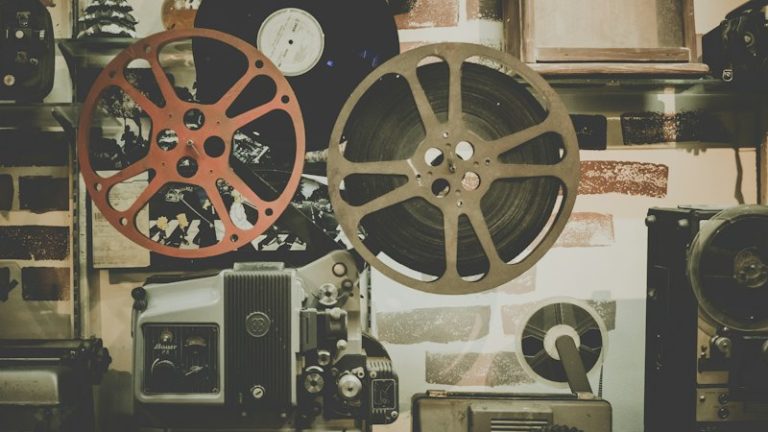
Comparing a novel and its adaptation
Reviewing an adaptation requires comparative critical judgement. A C2 review avoids the cliché ‘the book was better’, instead analysing what the film gains, loses and transforms through the change of medium, in a witty, authoritative voice.

Framing
Adapting a 600-page novel told entirely through a narrator’s inner monologue is, on the face of it, a fool’s errand.
Fidelity vs transformation
Rather than slavishly reproducing the plot, the director… / Inevitably, much of the novel’s interiority is lost.
Medium-specific analysis
What the novel conveys through…, the film achieves through framing, colour and silence.
Nuanced verdict
Purists may baulk at…, but… / It is less a translation than a reimagining.
Key terms
Common mistakes
Choose the most sophisticated sentence
Choose the best option.
1Framing:
Why: Witty framing.
2Fidelity:
Why: Precise.
3Loss:
Why: Analytical.
4Medium:
Why: Fronted object.
5Objection:
Why: baulk at.
6Verdict:
Why: Elegant.
What is being evaluated?
Choose the focus.
7The film follows the novel scene by scene, at times to a fault.
Why: Fidelity.
8Mendes is uncannily convincing as the ageing poet.
Why: Performance.
9The washed-out palette mirrors the protagonist's grief.
Why: Technique.
10The non-linear timeline of the novel is straightened out, with mixed results.
Why: Structure.
11A rare adaptation that justifies its own existence.
Why: Verdict.
12Long, static shots replace the narrator's commentary.
Why: Technique.
Complete the review
Type the missing word.
13Its to the novel's dialogue is remarkable.
Why: Faithfulness.
14The novel's rich is difficult to film.
Why: Inner life.
15The script never follows the book.
Why: Copying exactly.
16Some readers will at the new character.
Why: Be unwilling.
17It is a radical rather than a straight adaptation.
Why: New version.
18The material is a 19th-century novel.
Why: Original.
Write your review
- frame the challenge of adapting this work
- analyse fidelity and transformation
- discuss what the new medium gains and loses
- give a nuanced, authoritative verdict
- Adapting… is, on the face of it, …
- Rather than slavishly…, …
- Inevitably, …
- What the novel conveys through…, the film achieves through…
- Purists may baulk at…, yet…
- It is less a … than a…
The Quiet Shore: A Bold Reimagining
Adapting Clara Hesse's The Quiet Shore – a 500-page novel narrated almost entirely through the fragmented memories of a dying lighthouse keeper – is, on the face of it, a fool's errand. Very little happens; almost everything is remembered. Yet director Tomas Reyes has produced a film that is, remarkably, both faithful and entirely its own.
Rather than slavishly reproducing the novel's dense chronology, Reyes strips the story to a single winter, allowing the past to intrude only through fleeting, unexplained images. Inevitably, much of the novel's interiority is sacrificed: the keeper's wry, self-lacerating commentary, which gives the book its bitter humour, survives in barely three lines of voice-over.
What the novel conveys through introspection, however, the film achieves through form. Long, static shots of the grey sea, a palette drained almost to monochrome and a soundtrack composed largely of wind and gulls create a mood of suspended time that is arguably more powerful than any narration. Ingrid Sólveig's performance as the keeper's estranged daughter – a minor figure in the novel – becomes the film's emotional centre, and the shift is entirely justified.
Purists may baulk at the altered ending, in which the lighthouse is not abandoned but relit. Yet this change, far from betraying the source material, seems to honour its spirit more than its letter.
The Quiet Shore is less a translation than a reimagining – slow, demanding and, for those willing to surrender to it, quietly devastating.
- Witty framing of the challenge.
- Detailed fidelity/transformation analysis.
- Insight into medium-specific techniques.
- Elegant, nuanced verdict.