Home › Reading › C1 Reading Tests › The Paradox of Choice
The Paradox of Choice – C1 English Reading Test

Key words and reading strategy
Follow the writer’s line of argument: a conventional view, a challenge to it, the mechanisms behind the challenge, a qualification of the evidence and a balanced conclusion. Concession markers such as however and it would be misleading signal key turns.
Key terms
The Paradox of Choice
1Walk into a large supermarket and you may be confronted with over forty varieties of toothpaste, a hundred kinds of breakfast cereal and an entire aisle devoted to bottled water. Open a streaming service and you face thousands of films; open a dating app and you are presented with a seemingly endless supply of potential partners. In much of the developed world, we enjoy a range of options that previous generations could scarcely have imagined. Conventional economic wisdom holds that this is unambiguously good: the more choices we have, the more likely we are to find exactly what we want.
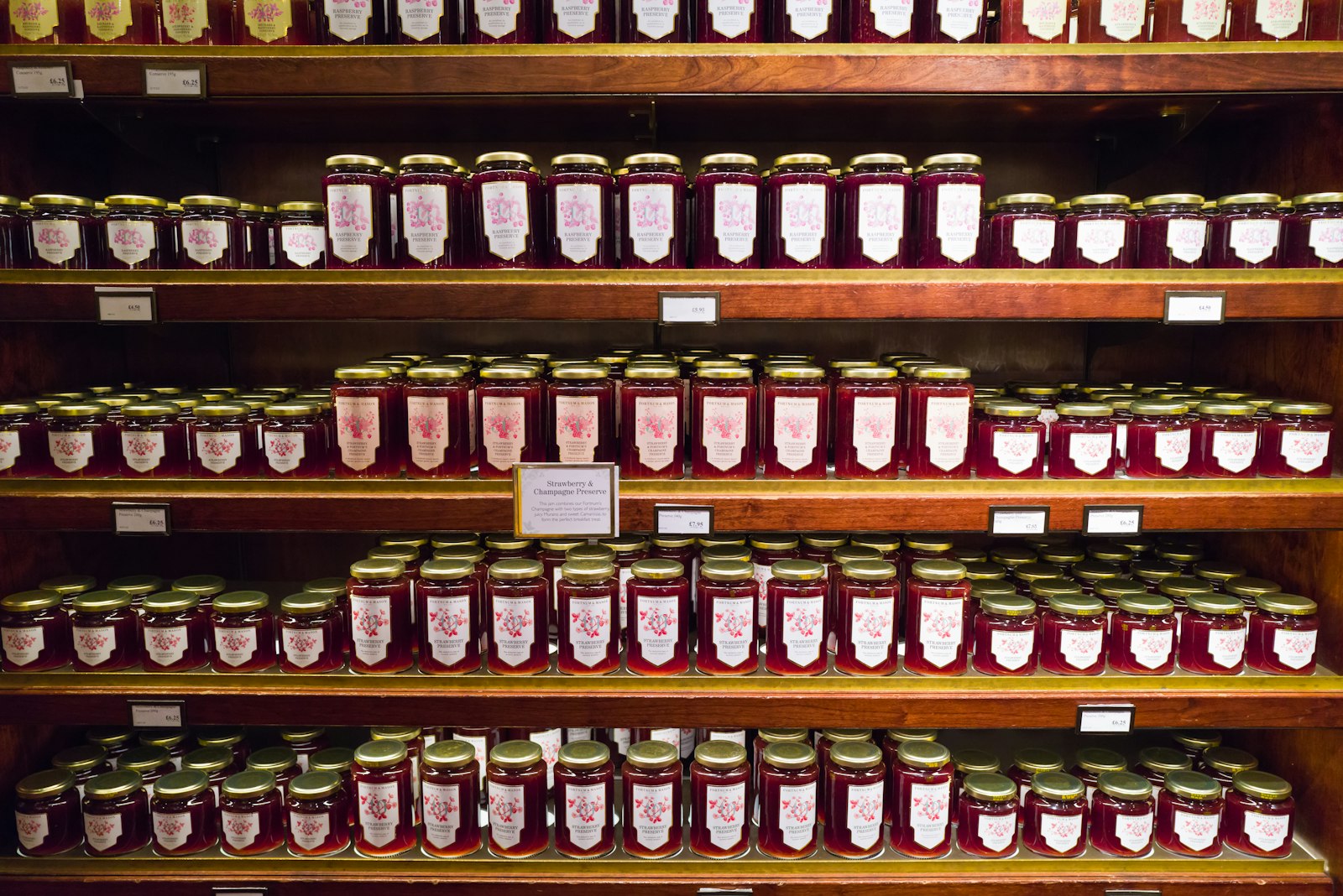
2Yet in the early 2000s, the psychologist Barry Schwartz popularised a provocative counter-argument. Beyond a certain point, he contended, an abundance of choice ceases to liberate us and begins instead to paralyse us. His book, The Paradox of Choice, drew on a now-famous experiment conducted in an upmarket Californian grocery store. On one day, shoppers were offered the chance to taste six varieties of jam; on another, twenty-four. The larger display attracted more attention, but only about three per cent of those who stopped actually bought a jar, compared with thirty per cent when the selection was smaller.
3Schwartz identified several mechanisms behind this apparent contradiction. The first is decision fatigue: evaluating many alternatives is cognitively demanding, and when the effort becomes overwhelming, people often defer the decision altogether – or default to whatever requires the least thought. The second concerns expectations. When options are few, we tend to be satisfied with a reasonable choice; when they are plentiful, we expect perfection, and almost any outcome falls short.
4The third, and perhaps most corrosive, factor is regret. The more alternatives we reject, the easier it becomes to imagine that one of them would have been better. A diner who chooses from a menu of five dishes is unlikely to dwell on what she missed; one who chooses from fifty may spend the meal wondering whether the risotto would have been more satisfying. In this way, abundant choice can diminish our enjoyment of what we actually select.
5Schwartz also drew a distinction between two types of decision-makers. ‘Maximisers’ feel compelled to examine every option in search of the best possible result, while ‘satisficers’ – a term coined by the economist Herbert Simon – settle for the first option that meets their criteria. Counter-intuitively, research suggests that maximisers often achieve objectively better outcomes, such as higher starting salaries, yet report lower satisfaction with them and higher levels of anxiety and depression.
6It would be misleading, however, to present these findings as settled science. Subsequent attempts to replicate the jam study and similar experiments have produced inconsistent results, and a large review of the research concluded that the average effect of ‘choice overload’ is close to zero. The phenomenon appears to depend heavily on context: it is more likely when options are hard to compare, when people have no clear preferences and when the decision feels important. In other circumstances, extensive choice is welcomed and even enjoyed.
7What, then, should we take from the debate? Perhaps the most useful lesson is not that choice is harmful, but that it carries hidden costs that we rarely acknowledge. Businesses have begun to respond by curating smaller selections or offering ‘recommended’ options. Individually, we might benefit from adopting a satisficer's mindset in trivial matters – accepting that a good-enough toothpaste is, in fact, good enough – and reserving our deliberative energy for the decisions that genuinely shape our lives.
Multiple choice
Choose the best answer.
1What does ‘conventional economic wisdom’ claim about choice?
Why: The more choices we have, the more likely we are to find exactly what we want.
Paragraph 1 ↗“Conventional economic wisdom holds that this is unambiguously good: the more choices we have, the more likely we are to find exactly what we want.”
2What was the key finding of the jam experiment?
Why: Three per cent bought from 24, thirty per cent from 6.
Paragraph 2 ↗“The larger display attracted more attention, but only about three per cent of those who stopped actually bought a jar, compared with thirty per cent when the selection was smaller.”
3How do expectations change when options are plentiful?
Why: When they are plentiful, we expect perfection.
Paragraph 3 ↗“When options are few, we tend to be satisfied with a reasonable choice; when they are plentiful, we expect perfection, and almost any outcome falls short.”
4Why does the writer mention the diner choosing from fifty dishes?
Why: Wondering whether the risotto would have been more satisfying.
Paragraph 4 ↗“A diner who chooses from a menu of five dishes is unlikely to dwell on what she missed; one who chooses from fifty may spend the meal wondering whether the risotto would have been more satisfying.”
5What is paradoxical about maximisers?
Why: Better outcomes… yet report lower satisfaction.
Paragraph 5 ↗“Counter-intuitively, research suggests that maximisers often achieve objectively better outcomes, such as higher starting salaries, yet report lower satisfaction with them and higher levels of anxiety and depression.”
6What does the writer say about later research on choice overload?
Why: Have produced inconsistent results.
Paragraph 6 ↗“Subsequent attempts to replicate the jam study and similar experiments have produced inconsistent results, and a large review of the research concluded that the average effect of ‘choice overload’ is close to zero.”
7What does the writer recommend in the final paragraph?
Why: Adopting a satisficer's mindset in trivial matters.
Paragraph 7 ↗“Individually, we might benefit from adopting a satisficer's mindset in trivial matters – accepting that a good-enough toothpaste is, in fact, good enough – and reserving our deliberative energy for the decisions that…”
True or False
Decide if each statement is true or false according to the text.
8Schwartz argued that more choice always makes people freer.
Why: An abundance of choice ceases to liberate us.
Paragraph 2 ↗“Beyond a certain point, he contended, an abundance of choice ceases to liberate us and begins instead to paralyse us.”
9Decision fatigue can lead people to postpone choosing.
Why: People often defer the decision.
Paragraph 3 ↗“The first is decision fatigue: evaluating many alternatives is cognitively demanding, and when the effort becomes overwhelming, people often defer the decision altogether – or default to whatever requires the least…”
10The term ‘satisficer’ was invented by Schwartz.
Why: A term coined by the economist Herbert Simon.
Paragraph 5 ↗“‘Maximisers’ feel compelled to examine every option in search of the best possible result, while ‘satisficers’ – a term coined by the economist Herbert Simon – settle for the first option that meets their criteria.”
11A large review found a strong average choice-overload effect.
Why: The average effect… is close to zero.
Paragraph 6 ↗“Subsequent attempts to replicate the jam study and similar experiments have produced inconsistent results, and a large review of the research concluded that the average effect of ‘choice overload’ is close to zero.”
12Choice overload is more likely when options are hard to compare.
Why: More likely when options are hard to compare.
Paragraph 6 ↗“The phenomenon appears to depend heavily on context: it is more likely when options are hard to compare, when people have no clear preferences and when the decision feels important.”
13Some businesses now offer fewer, selected options.
Why: Curating smaller selections.
Paragraph 7 ↗“Businesses have begun to respond by curating smaller selections or offering ‘recommended’ options.”
Paragraph functions
What is the main function of each paragraph? There is one extra option.
14Paragraph 1
Why: Conventional wisdom: more choice is good.
Paragraph 1 ↗“Conventional economic wisdom holds that this is unambiguously good: the more choices we have, the more likely we are to find exactly what we want.”
15Paragraph 2
Why: Schwartz's counter-argument.
Paragraph 2 ↗“Yet in the early 2000s, the psychologist Barry Schwartz popularised a provocative counter-argument.”
16Paragraph 3
Why: Decision fatigue and expectations.
Paragraph 3 ↗“The first is decision fatigue: evaluating many alternatives is cognitively demanding, and when the effort becomes overwhelming, people often defer the decision altogether – or default to whatever requires the least…”
17Paragraph 4
Why: Regret.
Paragraph 4 ↗“The third, and perhaps most corrosive, factor is regret.”
18Paragraph 5
Why: Maximisers vs satisficers.
Paragraph 5 ↗“‘Maximisers’ feel compelled to examine every option in search of the best possible result, while ‘satisficers’ – a term coined by the economist Herbert Simon – settle for the first option that meets their criteria.”
19Paragraph 6
Why: Inconsistent replications.
Paragraph 6 ↗“Subsequent attempts to replicate the jam study and similar experiments have produced inconsistent results, and a large review of the research concluded that the average effect of ‘choice overload’ is close to zero.”
20Paragraph 7
Why: What we should take from the debate.
Paragraph 7 ↗“What, then, should we take from the debate?”
Vocabulary in context
Find a word in the text that matches each meaning.
21make unable to act (para 2):
Why: Begins instead to paralyse us.
Paragraph 2 ↗“Beyond a certain point, he contended, an abundance of choice ceases to liberate us and begins instead to paralyse us.”
22delay until later (para 3):
Why: Defer the decision altogether.
Paragraph 3 ↗“The first is decision fatigue: evaluating many alternatives is cognitively demanding, and when the effort becomes overwhelming, people often defer the decision altogether – or default to whatever requires the least…”
23gradually damaging (para 4):
Why: The most corrosive factor.
Paragraph 4 ↗“The third, and perhaps most corrosive, factor is regret.”
24invented (a word or phrase) (para 5):
Why: A term coined by Herbert Simon.
Paragraph 5 ↗“‘Maximisers’ feel compelled to examine every option in search of the best possible result, while ‘satisficers’ – a term coined by the economist Herbert Simon – settle for the first option that meets their criteria.”
25repeat with the same results (para 6):
Why: Attempts to replicate the jam study.
Paragraph 6 ↗“Subsequent attempts to replicate the jam study and similar experiments have produced inconsistent results, and a large review of the research concluded that the average effect of ‘choice overload’ is close to zero.”
26select and organise carefully (para 7):
Why: Curating smaller selections.
Paragraph 7 ↗“Businesses have begun to respond by curating smaller selections or offering ‘recommended’ options.”