Home › Reading › C1 Reading Tests › The Hidden Life of Trees
The Hidden Life of Trees – C1 English Reading Test
Key words and reading strategy
This article moves from an old view to an exciting new idea, then to scientific caution about how far that idea has been exaggerated. C1 questions often test whether you can separate the evidence from the popular story.
Key terms
The Hidden Life of Trees
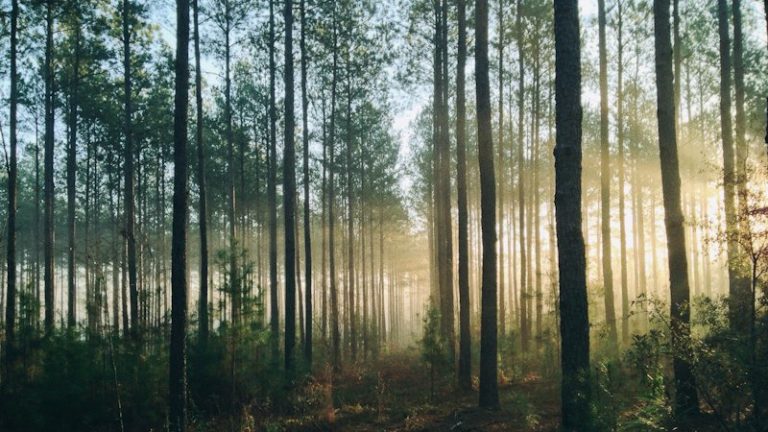
1To the casual walker, a forest appears to be a collection of individuals: tall, silent organisms competing for light, water and nutrients, each one locked in a quiet struggle for survival. This view, rooted in a particular reading of Darwinian evolution, dominated forestry for much of the twentieth century. It encouraged the practice of clearing away ‘weaker’ trees and undergrowth so that commercially valuable species could grow faster. Over the past three decades, however, a body of research has emerged that paints a strikingly different picture of life beneath the canopy.
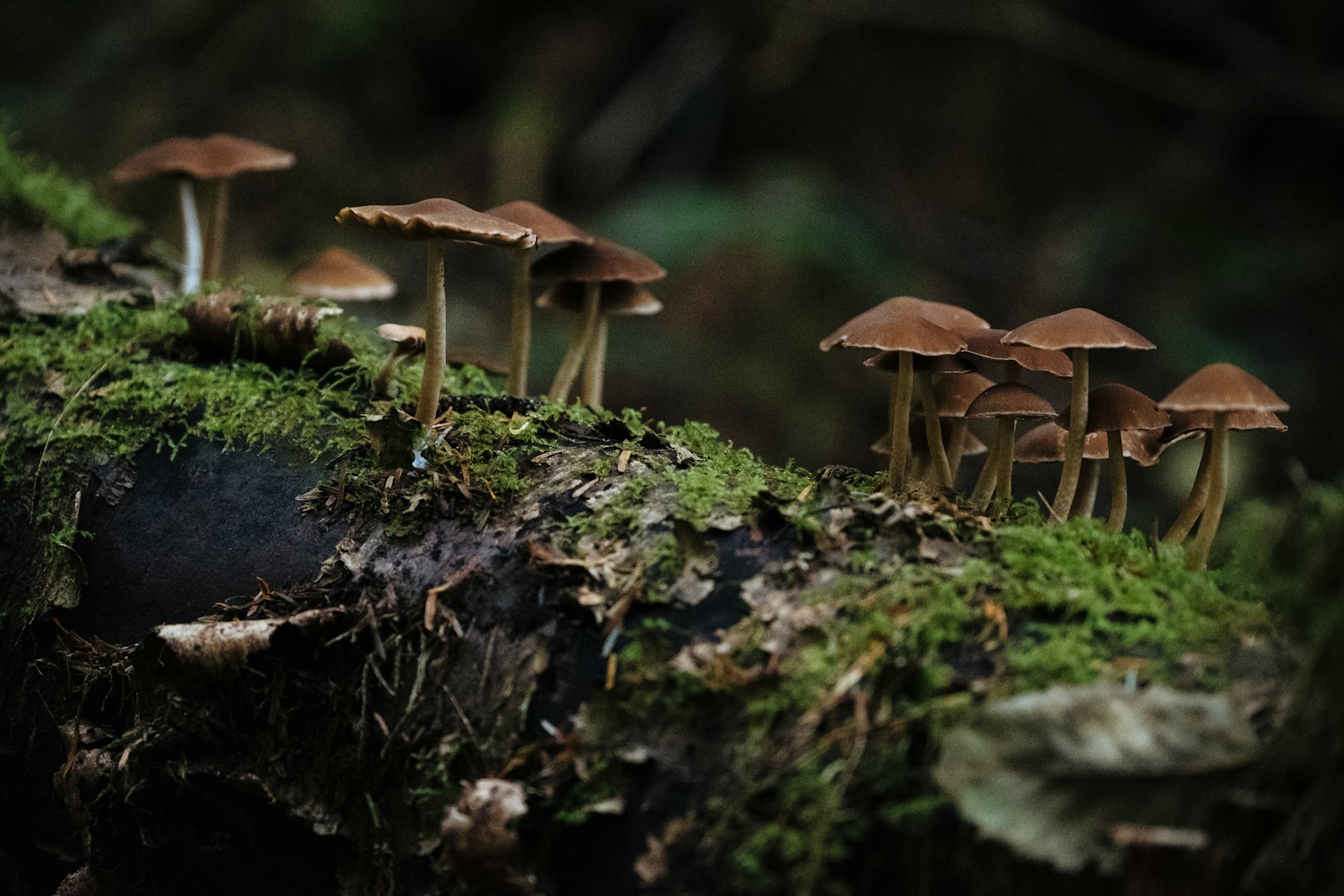
2Central to this new understanding is the role of mycorrhizal fungi – vast networks of microscopic threads that grow around and into tree roots. The relationship is mutually beneficial. The fungi, which cannot produce their own food, receive sugars that trees create through photosynthesis; in return, they extend the reach of the roots far beyond what the tree could achieve alone, supplying it with water and minerals such as phosphorus and nitrogen. Because a single fungal network can connect many trees, sometimes of different species, the forest floor may be crisscrossed by what has been popularly dubbed the ‘wood wide web’.
3The Canadian ecologist Suzanne Simard was among the first to suggest that these networks do more than simply feed individual trees. In experiments using radioactive carbon, she reported that carbon could pass from one tree to another through the fungi – for example, from a birch in full sunlight to a fir in deep shade. Later work suggested that large, old ‘mother trees’ might be linked to hundreds of younger ones and could preferentially support seedlings of their own kind. Some studies have also indicated that trees under attack from insects may send chemical signals through the network, prompting neighbours to strengthen their defences.
4These findings captured the public imagination to a remarkable degree. Books such as Peter Wohlleben's international bestseller, which gave this article its title, described trees as social beings that ‘talk’, ‘care for’ their young and even ‘feel pain’. Documentaries and films followed, and the image of a cooperative, almost family-like forest became widely accepted.
5Yet many scientists have grown uneasy with how far the popular narrative has travelled from the evidence. A 2023 review of the field concluded that several of the most widely quoted claims – that mother trees preferentially nurture their offspring, for instance, or that resources move between trees in quantities large enough to matter ecologically – rest on a small number of studies, some with significant methodological limitations. The authors did not deny that fungal networks exist or that they are important; rather, they cautioned that the evidence for coordinated ‘sharing’ is far weaker than often presented.
6Part of the problem lies in language. Words like ‘communication’, ‘cooperation’ and ‘altruism’ are useful metaphors, but they risk implying intention where there may be only chemistry. A tree that releases a defensive chemical is not necessarily ‘warning’ its neighbours in any meaningful sense; the neighbours may simply be detecting a by-product. Critics also note that the cooperative story can obscure the genuine competition that remains a feature of every forest.
7None of this diminishes the practical importance of the research. Even on the more cautious interpretation, it is clear that forests are highly interconnected systems and that the health of the soil and its fungi is fundamental to the health of the trees. This has influenced forestry practice, encouraging approaches that preserve old trees and minimise soil disturbance. The deeper lesson, perhaps, is about science itself: a fascinating discovery deserves enthusiasm, but also the patience to distinguish what we know from what we would like to believe.
Multiple choice
Choose the best answer.
1How did the traditional view affect forestry?
Why: Clearing away weaker trees and undergrowth.
Paragraph 1 ↗“It encouraged the practice of clearing away ‘weaker’ trees and undergrowth so that commercially valuable species could grow faster.”
2What do fungi give trees?
Why: Supplying it with water and minerals.
Paragraph 2 ↗“The fungi, which cannot produce their own food, receive sugars that trees create through photosynthesis; in return, they extend the reach of the roots far beyond what the tree could achieve alone, supplying it with…”
3What did Simard's experiments suggest?
Why: Carbon could pass from one tree to another through the fungi.
Paragraph 3 ↗“In experiments using radioactive carbon, she reported that carbon could pass from one tree to another through the fungi – for example, from a birch in full sunlight to a fir in deep shade.”
4What is the writer's attitude to the popular books and films?
Why: Uneasy with how far the popular narrative has travelled from the evidence.
Paragraph 5 ↗“Yet many scientists have grown uneasy with how far the popular narrative has travelled from the evidence.”
5What did the 2023 review conclude?
Why: Rest on a small number of studies.
Paragraph 5 ↗“A 2023 review of the field concluded that several of the most widely quoted claims – that mother trees preferentially nurture their offspring, for instance, or that resources move between trees in quantities large…”
6What is the problem with words like ‘communication’?
Why: Risk implying intention where there may be only chemistry.
Paragraph 6 ↗“Words like ‘communication’, ‘cooperation’ and ‘altruism’ are useful metaphors, but they risk implying intention where there may be only chemistry.”
7What is the ‘deeper lesson’ in the final paragraph?
Why: Distinguish what we know from what we would like to believe.
Paragraph 7 ↗“The deeper lesson, perhaps, is about science itself: a fascinating discovery deserves enthusiasm, but also the patience to distinguish what we know from what we would like to believe.”
True or False
Decide if each statement is true or false according to the text.
8Mycorrhizal fungi can produce their own food.
Why: Cannot produce their own food.
Paragraph 2 ↗“The fungi, which cannot produce their own food, receive sugars that trees create through photosynthesis; in return, they extend the reach of the roots far beyond what the tree could achieve alone, supplying it with…”
9A single fungal network can connect trees of different species.
Why: Sometimes of different species.
Paragraph 2 ↗“Because a single fungal network can connect many trees, sometimes of different species, the forest floor may be crisscrossed by what has been popularly dubbed the ‘wood wide web’.”
10Simard used radioactive carbon in her experiments.
Why: Experiments using radioactive carbon.
Paragraph 3 ↗“In experiments using radioactive carbon, she reported that carbon could pass from one tree to another through the fungi – for example, from a birch in full sunlight to a fir in deep shade.”
11The review's authors denied that fungal networks are important.
Why: They did not deny… that they are important.
Paragraph 5 ↗“The authors did not deny that fungal networks exist or that they are important; rather, they cautioned that the evidence for coordinated ‘sharing’ is far weaker than often presented.”
12Critics say the cooperative story may hide competition between trees.
Why: Can obscure the genuine competition.
Paragraph 6 ↗“Critics also note that the cooperative story can obscure the genuine competition that remains a feature of every forest.”
13The research has had no influence on forestry practice.
Why: This has influenced forestry practice.
Paragraph 7 ↗“This has influenced forestry practice, encouraging approaches that preserve old trees and minimise soil disturbance.”
Paragraph functions
What is the main function of each paragraph? There is one extra option.
14Paragraph 1
Why: Forest as competing individuals.
Paragraph 1 ↗“To the casual walker, a forest appears to be a collection of individuals: tall, silent organisms competing for light, water and nutrients, each one locked in a quiet struggle for survival.”
15Paragraph 2
Why: Mycorrhizal fungi.
Paragraph 2 ↗“Central to this new understanding is the role of mycorrhizal fungi – vast networks of microscopic threads that grow around and into tree roots.”
16Paragraph 3
Why: Simard's experiments.
Paragraph 3 ↗“In experiments using radioactive carbon, she reported that carbon could pass from one tree to another through the fungi – for example, from a birch in full sunlight to a fir in deep shade.”
17Paragraph 4
Why: Books and documentaries.
Paragraph 4 ↗“Books such as Peter Wohlleben's international bestseller, which gave this article its title, described trees as social beings that ‘talk’, ‘care for’ their young and even ‘feel pain’.”
18Paragraph 5
Why: The 2023 review.
Paragraph 5 ↗“A 2023 review of the field concluded that several of the most widely quoted claims – that mother trees preferentially nurture their offspring, for instance, or that resources move between trees in quantities large…”
19Paragraph 6
Why: Part of the problem lies in language.
Paragraph 6 ↗“Part of the problem lies in language.”
20Paragraph 7
Why: The deeper lesson.
Paragraph 7 ↗“The deeper lesson, perhaps, is about science itself: a fascinating discovery deserves enthusiasm, but also the patience to distinguish what we know from what we would like to believe.”
Vocabulary in context
Find a word in the text that matches each meaning.
21the top layer of branches in a forest (para 1):
Why: Beneath the canopy.
Paragraph 1 ↗“Over the past three decades, however, a body of research has emerged that paints a strikingly different picture of life beneath the canopy.”
22gave a nickname to (para 2):
Why: Popularly dubbed the wood wide web.
Paragraph 2 ↗“Because a single fungal network can connect many trees, sometimes of different species, the forest floor may be crisscrossed by what has been popularly dubbed the ‘wood wide web’.”
23very young plants (para 3):
Why: Seedlings of their own kind.
Paragraph 3 ↗“Later work suggested that large, old ‘mother trees’ might be linked to hundreds of younger ones and could preferentially support seedlings of their own kind.”
24a story or explanation of events (para 5):
Why: The popular narrative.
Paragraph 5 ↗“Yet many scientists have grown uneasy with how far the popular narrative has travelled from the evidence.”
25helping others without personal benefit (para 6):
Why: Altruism.
Paragraph 6 ↗“Words like ‘communication’, ‘cooperation’ and ‘altruism’ are useful metaphors, but they risk implying intention where there may be only chemistry.”
26make less important (para 7):
Why: None of this diminishes…
Paragraph 7 ↗“None of this diminishes the practical importance of the research.”