Home › Reading › C1 Reading Tests › The Hidden Cost of Fast Fashion
The Hidden Cost of Fast Fashion – C1 English Reading Test
Key words and reading strategy
Follow the writer’s line of argument: the rise of fast fashion, its appeal, its human and environmental costs, the waste problem, the responses and a conclusion. Notice hedging such as notoriously difficult to establish and estimates vary widely.
Key terms
The Hidden Cost of Fast Fashion
1A T-shirt for less than the price of a sandwich; a dress worn once for a party and then forgotten; a wardrobe refreshed with new arrivals every week. Over the past three decades, the clothing industry has undergone a transformation that has made fashion cheaper and more disposable than ever before. Leading brands now produce dozens of ‘micro-seasons’ a year, moving designs from catwalk to shop floor in a matter of weeks. Global clothing production roughly doubled in the first fifteen years of this century, while the average number of times a garment is worn before being discarded has fallen sharply.
2The appeal for consumers is obvious. Fast fashion has democratised style, allowing people on modest incomes to follow trends that were once the preserve of the wealthy. For retailers, the model is highly profitable: by producing small batches, monitoring sales in real time and rapidly replicating whatever sells, companies minimise unsold stock and encourage frequent return visits from shoppers anxious not to miss the latest collection.
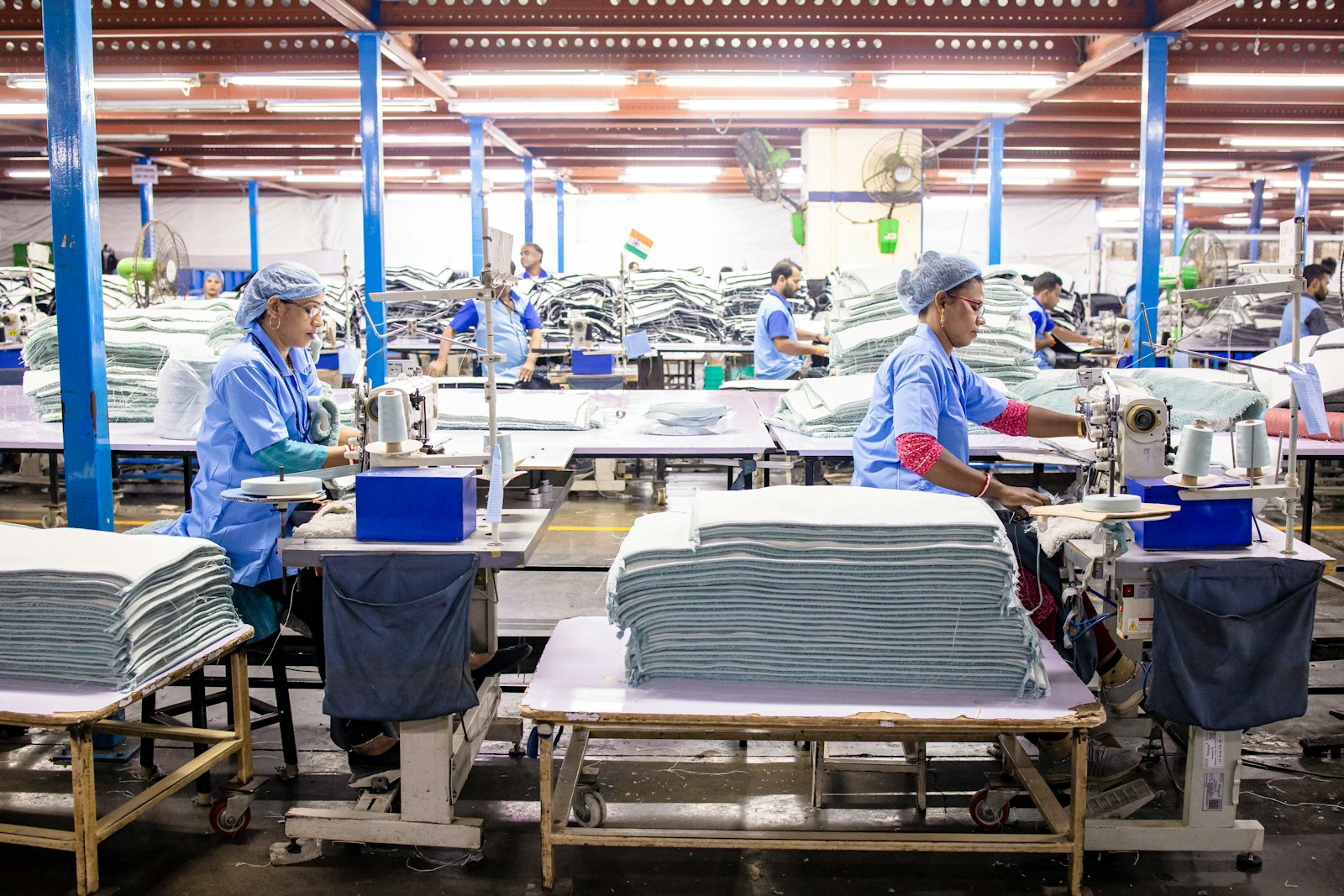
3The costs, however, are borne largely by people and places far from the high street. The industry depends on long, complex supply chains concentrated in countries where labour is cheap and regulation is weak. The collapse of the Rana Plaza factory building in Bangladesh in 2013, which killed more than eleven hundred garment workers, exposed the dangerous conditions under which many clothes are made. Although subsequent agreements have improved building safety in some factories, campaigners argue that low wages, excessive overtime and the suppression of trade unions remain widespread.
4The environmental footprint is similarly troubling, though precise figures are notoriously difficult to establish. Cotton cultivation is extremely water-intensive and often relies heavily on pesticides. Synthetic fibres such as polyester, which now account for the majority of new clothing, are derived from fossil fuels and shed microscopic plastic particles when washed, which find their way into rivers and oceans. Dyeing and finishing processes can discharge untreated chemicals into local waterways. Estimates of the industry's share of global carbon emissions vary widely, but even conservative figures place it on a par with that of some major industrial sectors.
5Perhaps the most visible symptom is waste. Much of the clothing donated in wealthy countries is not resold locally but exported in bales to markets in Africa, Asia and Latin America. In places such as Kantamanto market in Accra, Ghana, traders report that a significant proportion of what arrives is of such poor quality that it cannot be sold and ends up in landfills, open dumps or the sea. The idea that donating unwanted clothes is an environmentally neutral act, critics argue, is largely a comforting illusion.
6Responses to these problems have taken several forms. Some brands have introduced recycling schemes and ‘conscious’ collections made from organic or recycled materials, though sceptics dismiss many such initiatives as ‘greenwashing’ – marketing that exaggerates environmental credentials while leaving the underlying business model untouched. Fibre-to-fibre recycling technology remains in its infancy, and only a tiny fraction of textiles are currently recycled into new clothing. Governments have begun to consider regulatory measures, including extended producer responsibility schemes that would make manufacturers pay for the disposal of their products.
7Ultimately, many observers conclude, meaningful change will require a shift not only in how clothes are produced but in how they are valued. Buying fewer, better-made garments, repairing and reselling rather than discarding, and resisting the constant churn of trends may matter more than any single technological fix. The most sustainable item of clothing, as one designer put it, is the one already hanging in your wardrobe.
Multiple choice
Choose the best answer.
1What trend does paragraph 1 describe?
Why: Production roughly doubled… times worn has fallen sharply.
Paragraph 1 ↗“Global clothing production roughly doubled in the first fifteen years of this century, while the average number of times a garment is worn before being discarded has fallen sharply.”
2How does fast fashion benefit retailers?
Why: Minimise unsold stock and encourage frequent return visits.
Paragraph 2 ↗“For retailers, the model is highly profitable: by producing small batches, monitoring sales in real time and rapidly replicating whatever sells, companies minimise unsold stock and encourage frequent return visits…”
3What did the Rana Plaza collapse reveal?
Why: Exposed the dangerous conditions.
Paragraph 3 ↗“The collapse of the Rana Plaza factory building in Bangladesh in 2013, which killed more than eleven hundred garment workers, exposed the dangerous conditions under which many clothes are made.”
4What problem with synthetic fibres is mentioned?
Why: Shed microscopic plastic particles when washed.
Paragraph 4 ↗“Synthetic fibres such as polyester, which now account for the majority of new clothing, are derived from fossil fuels and shed microscopic plastic particles when washed, which find their way into rivers and oceans.”
5What does the writer call a ‘comforting illusion’?
Why: Donating unwanted clothes is an environmentally neutral act.
Paragraph 5 ↗“The idea that donating unwanted clothes is an environmentally neutral act, critics argue, is largely a comforting illusion.”
6What is ‘greenwashing’?
Why: Marketing that exaggerates environmental credentials.
Paragraph 6 ↗“Some brands have introduced recycling schemes and ‘conscious’ collections made from organic or recycled materials, though sceptics dismiss many such initiatives as ‘greenwashing’ – marketing that exaggerates…”
7What does the designer's quote suggest?
Why: The one already hanging in your wardrobe.
Paragraph 7 ↗“The most sustainable item of clothing, as one designer put it, is the one already hanging in your wardrobe.”
True or False
Decide if each statement is true or false according to the text.
8Fast fashion has made trends accessible to people with lower incomes.
Why: Allowing people on modest incomes to follow trends.
Paragraph 2 ↗“Fast fashion has democratised style, allowing people on modest incomes to follow trends that were once the preserve of the wealthy.”
9The Rana Plaza disaster killed more than eleven hundred workers.
Why: More than eleven hundred garment workers.
Paragraph 3 ↗“The collapse of the Rana Plaza factory building in Bangladesh in 2013, which killed more than eleven hundred garment workers, exposed the dangerous conditions under which many clothes are made.”
10Campaigners say all labour problems have now been solved.
Why: Remain widespread.
Paragraph 3 ↗“Although subsequent agreements have improved building safety in some factories, campaigners argue that low wages, excessive overtime and the suppression of trade unions remain widespread.”
11Polyester is made from fossil fuels.
Why: Derived from fossil fuels.
Paragraph 4 ↗“Synthetic fibres such as polyester, which now account for the majority of new clothing, are derived from fossil fuels and shed microscopic plastic particles when washed, which find their way into rivers and oceans.”
12Most textiles are currently recycled into new clothes.
Why: Only a tiny fraction.
Paragraph 6 ↗“Fibre-to-fibre recycling technology remains in its infancy, and only a tiny fraction of textiles are currently recycled into new clothing.”
13The writer believes technology alone will solve the problem.
Why: May matter more than any single technological fix.
Paragraph 7 ↗“Buying fewer, better-made garments, repairing and reselling rather than discarding, and resisting the constant churn of trends may matter more than any single technological fix.”
Paragraph functions
What is the main function of each paragraph? There is one extra option.
14Paragraph 1
Why: Micro-seasons; production doubled.
Paragraph 1 ↗“Leading brands now produce dozens of ‘micro-seasons’ a year, moving designs from catwalk to shop floor in a matter of weeks.”
15Paragraph 2
Why: Appeal for consumers and retailers.
Paragraph 2 ↗“The appeal for consumers is obvious.”
16Paragraph 3
Why: Rana Plaza and labour.
Paragraph 3 ↗“The industry depends on long, complex supply chains concentrated in countries where labour is cheap and regulation is weak.”
17Paragraph 4
Why: Water, pesticides, microfibres.
Paragraph 4 ↗“Cotton cultivation is extremely water-intensive and often relies heavily on pesticides.”
18Paragraph 5
Why: Kantamanto market.
Paragraph 5 ↗“In places such as Kantamanto market in Accra, Ghana, traders report that a significant proportion of what arrives is of such poor quality that it cannot be sold and ends up in landfills, open dumps or the sea.”
19Paragraph 6
Why: Recycling schemes, greenwashing, regulation.
Paragraph 6 ↗“Some brands have introduced recycling schemes and ‘conscious’ collections made from organic or recycled materials, though sceptics dismiss many such initiatives as ‘greenwashing’ – marketing that exaggerates…”
20Paragraph 7
Why: Valuing clothes differently.
Paragraph 7 ↗“Ultimately, many observers conclude, meaningful change will require a shift not only in how clothes are produced but in how they are valued.”
Vocabulary in context
Find a word in the text that matches each meaning.
21made to be thrown away (para 1):
Why: More disposable than ever.
Paragraph 1 ↗“Over the past three decades, the clothing industry has undergone a transformation that has made fashion cheaper and more disposable than ever before.”
22thrown away (para 1):
Why: Before being discarded.
Paragraph 1 ↗“Global clothing production roughly doubled in the first fifteen years of this century, while the average number of times a garment is worn before being discarded has fallen sharply.”
23made available to everyone (para 2):
Why: Democratised style.
Paragraph 2 ↗“Fast fashion has democratised style, allowing people on modest incomes to follow trends that were once the preserve of the wealthy.”
24well known for something negative (para 4):
Why: Notoriously difficult to establish.
Paragraph 4 ↗“The environmental footprint is similarly troubling, though precise figures are notoriously difficult to establish.”
25large tightly packed bundles (para 5):
Why: Exported in bales.
Paragraph 5 ↗“Much of the clothing donated in wealthy countries is not resold locally but exported in bales to markets in Africa, Asia and Latin America.”
26constant change (para 7):
Why: The constant churn of trends.
Paragraph 7 ↗“Buying fewer, better-made garments, repairing and reselling rather than discarding, and resisting the constant churn of trends may matter more than any single technological fix.”