Home › Reading › C1 Reading Tests › The Disappearing Night Sky
The Disappearing Night Sky – C1 English Reading Test
Key words and reading strategy
This article moves from a problem to its causes, a paradox, consequences for nature and people, and finally solutions and obstacles. Questions often test cause–effect relationships.
Key terms
The Disappearing Night Sky
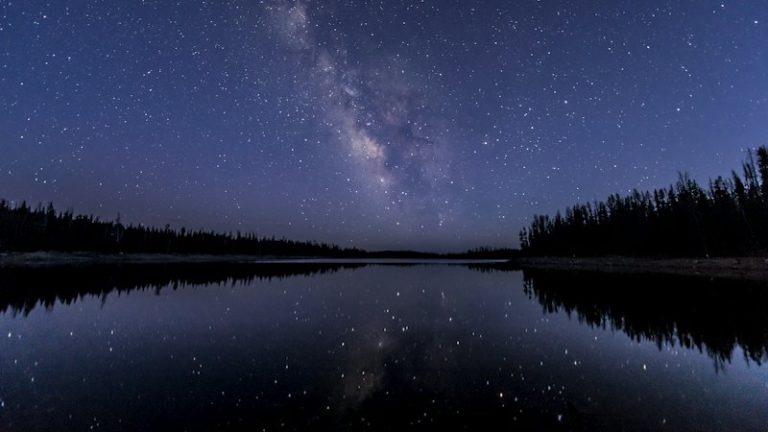
1For almost all of human history, a clear night offered a spectacle of extraordinary richness: thousands of stars, the pale band of the Milky Way stretching from horizon to horizon, and the occasional streak of a meteor. This sky shaped mythology, navigation, agriculture and religion. Today, however, an estimated eighty per cent of people in Europe and North America cannot see the Milky Way from where they live. For many children growing up in cities, a sky full of stars is something encountered only in photographs.
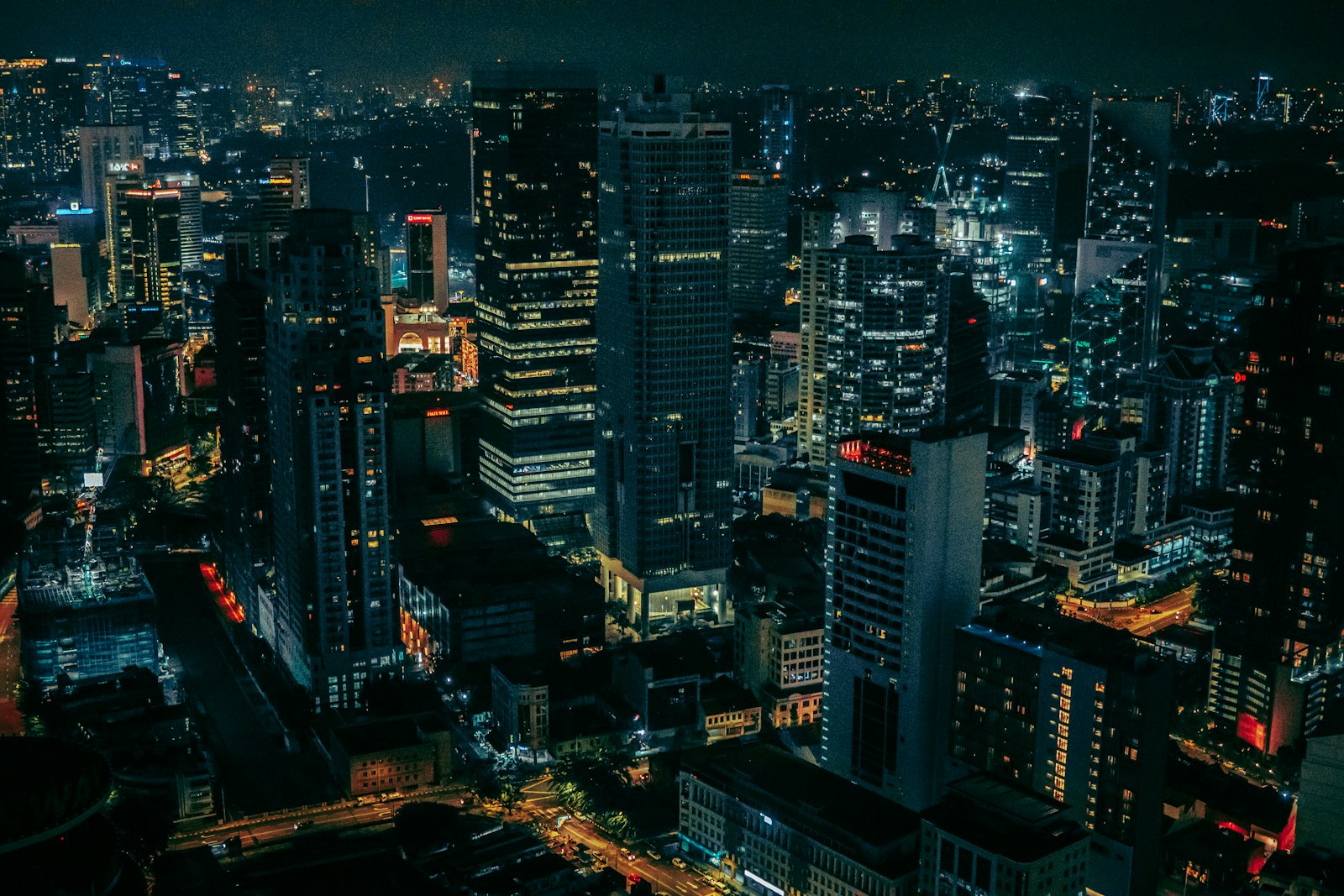
2The cause is artificial light. Streetlights, illuminated advertising, sports grounds, car parks and the windows of offices and homes all release light into the atmosphere, where it is scattered by particles and molecules to create a diffuse glow known as skyglow. Seen from a distance, large cities are surrounded by domes of orange or white light visible from many kilometres away. A study using citizen scientists' observations suggested that the brightness of the night sky may be increasing by close to ten per cent a year – far faster than satellite measurements had indicated.
3Paradoxically, a technology hailed as environmentally friendly has contributed to the problem. Light-emitting diodes, or LEDs, use far less energy than older lamps, and many municipalities have replaced their streetlights with them to cut costs and carbon emissions. However, because LEDs are cheap to run, they have encouraged the installation of more and brighter lights. Many emit a large proportion of blue light, which scatters more readily in the atmosphere and is particularly disruptive to living organisms.
4The consequences extend well beyond astronomy. Countless species rely on natural cycles of light and darkness to regulate feeding, breeding and migration. Newly hatched sea turtles, which instinctively head towards the brightest horizon, may crawl inland towards illuminated roads instead of towards the sea. Migrating birds can become disoriented by brightly lit buildings, sometimes colliding with them in large numbers. Researchers have linked artificial light to declining insect populations, as moths and other insects are drawn to lamps where they die of exhaustion or are eaten.
5Humans are not immune either. Our internal body clocks evolved in a world of bright days and dark nights, and exposure to artificial light at night – particularly blue light – can suppress the production of melatonin, a hormone that regulates sleep. Some epidemiological studies have found associations between high levels of outdoor light at night and sleep disorders, obesity and certain cancers, although establishing direct causation remains difficult.
6Unlike many environmental problems, light pollution is, at least in principle, readily reversible. When a light is switched off, its pollution ceases instantly. Simple measures can make a substantial difference: fitting shields so that lamps point downwards rather than into the sky, using warmer colours, dimming lights late at night and turning off those that serve no purpose. Several towns and regions have been designated ‘dark sky places’ by international organisations, and some have discovered that the stars themselves can attract a new kind of tourism.
7Still, progress has been patchy. Lighting is often associated with safety and prosperity, and proposals to reduce it can meet resistance from residents who fear crime or businesses that rely on visibility. Advocates argue that well-designed lighting can improve safety while reducing waste, and that the night sky is a shared natural heritage worth protecting. Whether future generations will look up and see the stars may depend on decisions about something as ordinary as a streetlamp.
Multiple choice
Choose the best answer.
1What proportion of Europeans and North Americans cannot see the Milky Way?
Why: An estimated eighty per cent.
Paragraph 1 ↗“Today, however, an estimated eighty per cent of people in Europe and North America cannot see the Milky Way from where they live.”
2What did the citizen science study suggest?
Why: Far faster than satellite measurements had indicated.
Paragraph 2 ↗“A study using citizen scientists' observations suggested that the brightness of the night sky may be increasing by close to ten per cent a year – far faster than satellite measurements had indicated.”
3Why have LEDs worsened the problem?
Why: Because LEDs are cheap to run, they have encouraged more and brighter lights.
Paragraph 3 ↗“However, because LEDs are cheap to run, they have encouraged the installation of more and brighter lights.”
4Why are baby sea turtles affected?
Why: Instinctively head towards the brightest horizon.
Paragraph 4 ↗“Newly hatched sea turtles, which instinctively head towards the brightest horizon, may crawl inland towards illuminated roads instead of towards the sea.”
5What does the writer say about health studies?
Why: Establishing direct causation remains difficult.
Paragraph 5 ↗“Some epidemiological studies have found associations between high levels of outdoor light at night and sleep disorders, obesity and certain cancers, although establishing direct causation remains difficult.”
6What makes light pollution different from many environmental problems?
Why: When a light is switched off, its pollution ceases instantly.
Paragraph 6 ↗“When a light is switched off, its pollution ceases instantly.”
7Why do some people resist reducing lighting?
Why: Lighting is often associated with safety and prosperity.
Paragraph 7 ↗“Lighting is often associated with safety and prosperity, and proposals to reduce it can meet resistance from residents who fear crime or businesses that rely on visibility.”
True or False
Decide if each statement is true or false according to the text.
8Skyglow is created when light is scattered in the atmosphere.
Why: Scattered… to create a diffuse glow known as skyglow.
Paragraph 2 ↗“Streetlights, illuminated advertising, sports grounds, car parks and the windows of offices and homes all release light into the atmosphere, where it is scattered by particles and molecules to create a diffuse glow…”
9Blue light scatters less than other light.
Why: Scatters more readily.
Paragraph 3 ↗“Many emit a large proportion of blue light, which scatters more readily in the atmosphere and is particularly disruptive to living organisms.”
10Artificial light has been linked to fewer insects.
Why: Linked artificial light to declining insect populations.
Paragraph 4 ↗“Researchers have linked artificial light to declining insect populations, as moths and other insects are drawn to lamps where they die of exhaustion or are eaten.”
11Melatonin helps regulate sleep.
Why: A hormone that regulates sleep.
Paragraph 5 ↗“Our internal body clocks evolved in a world of bright days and dark nights, and exposure to artificial light at night – particularly blue light – can suppress the production of melatonin, a hormone that regulates sleep.”
12Dark sky places have discouraged tourism.
Why: Attract a new kind of tourism.
Paragraph 6 ↗“Several towns and regions have been designated ‘dark sky places’ by international organisations, and some have discovered that the stars themselves can attract a new kind of tourism.”
13Progress on light pollution has been consistent everywhere.
Why: Progress has been patchy.
Paragraph 7 ↗“Still, progress has been patchy.”
Paragraph functions
What is the main function of each paragraph? There is one extra option.
14Paragraph 1
Why: Then a rich sky; now 80% can't see it.
Paragraph 1 ↗“For many children growing up in cities, a sky full of stars is something encountered only in photographs.”
15Paragraph 2
Why: Artificial light and skyglow.
Paragraph 2 ↗“Streetlights, illuminated advertising, sports grounds, car parks and the windows of offices and homes all release light into the atmosphere, where it is scattered by particles and molecules to create a diffuse glow…”
16Paragraph 3
Why: LEDs.
Paragraph 3 ↗“Light-emitting diodes, or LEDs, use far less energy than older lamps, and many municipalities have replaced their streetlights with them to cut costs and carbon emissions.”
17Paragraph 4
Why: Turtles, birds and insects.
Paragraph 4 ↗“Researchers have linked artificial light to declining insect populations, as moths and other insects are drawn to lamps where they die of exhaustion or are eaten.”
18Paragraph 5
Why: Melatonin and health.
Paragraph 5 ↗“Our internal body clocks evolved in a world of bright days and dark nights, and exposure to artificial light at night – particularly blue light – can suppress the production of melatonin, a hormone that regulates sleep.”
19Paragraph 6
Why: Shields, warmer colours, dark sky places.
Paragraph 6 ↗“Simple measures can make a substantial difference: fitting shields so that lamps point downwards rather than into the sky, using warmer colours, dimming lights late at night and turning off those that serve no purpose.”
20Paragraph 7
Why: Resistance from residents and businesses.
Paragraph 7 ↗“Lighting is often associated with safety and prosperity, and proposals to reduce it can meet resistance from residents who fear crime or businesses that rely on visibility.”
Vocabulary in context
Find a word in the text that matches each meaning.
21an impressive sight (para 1):
Why: A spectacle of extraordinary richness.
Paragraph 1 ↗“For almost all of human history, a clear night offered a spectacle of extraordinary richness: thousands of stars, the pale band of the Milky Way stretching from horizon to horizon, and the occasional streak of a meteor.”
22spread out over a wide area (para 2):
Why: A diffuse glow.
Paragraph 2 ↗“Streetlights, illuminated advertising, sports grounds, car parks and the windows of offices and homes all release light into the atmosphere, where it is scattered by particles and molecules to create a diffuse glow…”
23confused about direction (para 4):
Why: Can become disoriented.
Paragraph 4 ↗“Migrating birds can become disoriented by brightly lit buildings, sometimes colliding with them in large numbers.”
24not affected by (para 5):
Why: Humans are not immune.
Paragraph 5 ↗“Humans are not immune either.”
25able to be changed back (para 6):
Why: Readily reversible.
Paragraph 6 ↗“Unlike many environmental problems, light pollution is, at least in principle, readily reversible.”
26uneven, not consistent (para 7):
Why: Progress has been patchy.
Paragraph 7 ↗“Still, progress has been patchy.”