Home › Reading › B2 Reading Tests › The Return of Vinyl Records
The Return of Vinyl Records – B2 English Reading Test
Key words and reading strategy
This article explores a paradox – why an old, inconvenient format is growing in the age of streaming. Look for the different explanations the writer offers and how strongly each one is supported.
Key terms
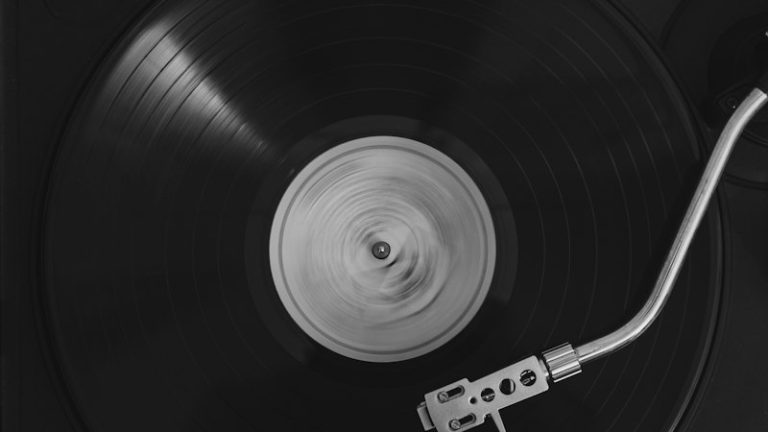
The Return of Vinyl Records
1In the early 2000s, the vinyl record looked like a relic destined for museums and car-boot sales. CDs had replaced it in the 1990s, and digital downloads were in turn replacing CDs. Factories that had once pressed millions of records closed or switched to other products. Only a small community of DJs, collectors and enthusiasts kept the format alive. Then something unexpected happened: people started buying records again.
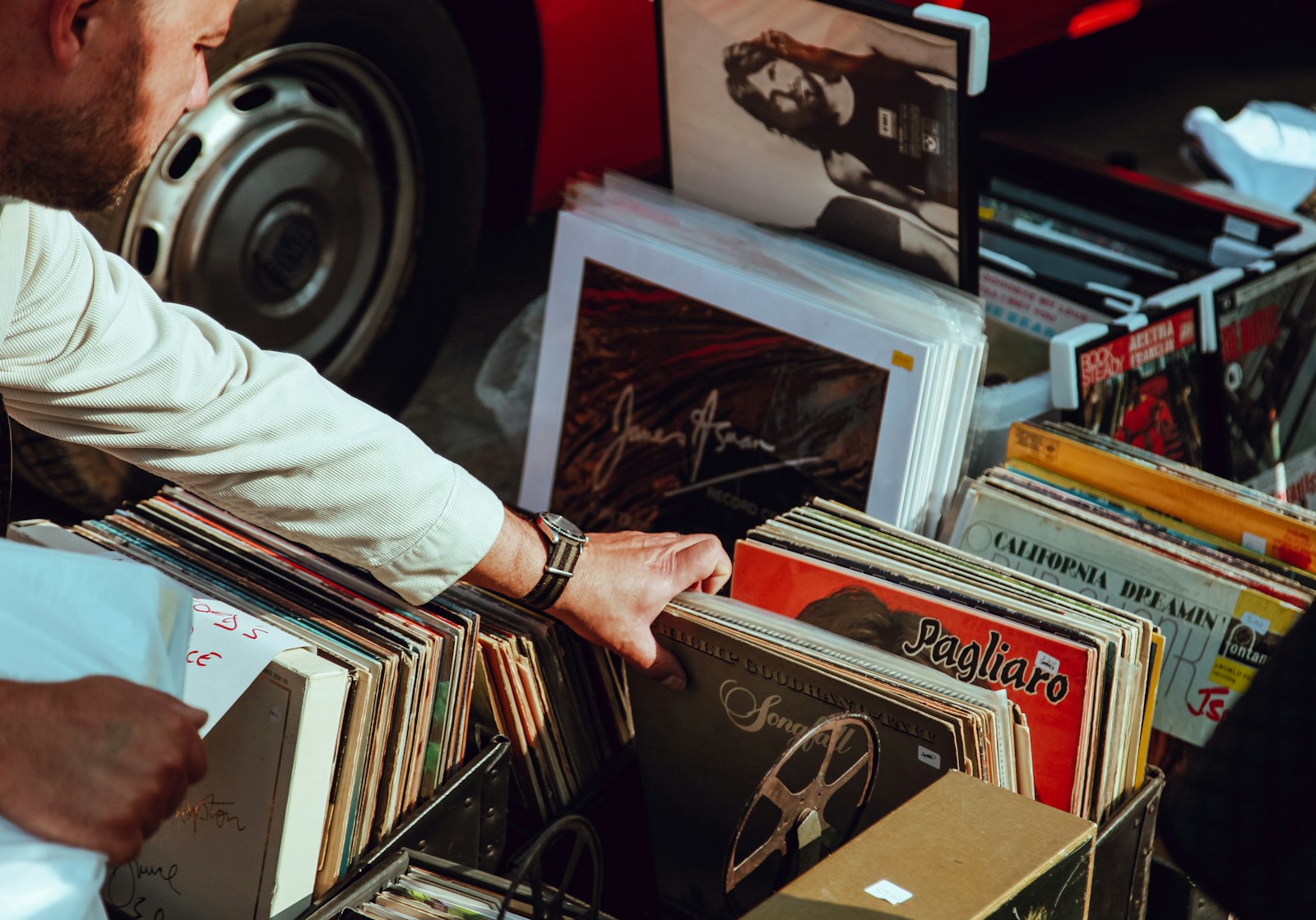
2The revival began slowly around 2007 and has grown almost every year since. In the United States and the United Kingdom, vinyl sales have reached their highest levels since the early 1990s, and in several recent years they have even outsold CDs. Major artists now routinely release their albums on vinyl, often in special coloured or limited editions, and dedicated record shops have reappeared on high streets that seemed to have lost them for good.
3What makes this revival so puzzling is that it has happened alongside the triumph of streaming. Never before has music been so cheap and convenient: for a monthly fee, listeners can access tens of millions of songs instantly on their phones. A vinyl album, by contrast, is expensive, fragile and inconvenient. You need special equipment to play it, you have to turn it over halfway through, and you certainly can't listen to it on the bus.
4Some fans insist that vinyl simply sounds better – ‘warmer’ and more natural than digital formats. Audio experts are divided on this question. Vinyl can reproduce music with great detail, but it also introduces small imperfections such as crackles and surface noise. Many listeners find these imperfections pleasant, perhaps because they associate them with an authentic, physical experience. In blind tests, however, most people struggle to tell the difference reliably.
5For many buyers, the appeal lies less in sound quality than in ownership and ritual. Streaming means having access to music without really possessing any of it; a record is a tangible object that you can hold, display and keep. The large artwork, the printed lyrics and the act of carefully placing the needle on the record encourage people to listen to an album from start to finish, rather than skipping between tracks. In a world of endless choice, some listeners say, that slowness is precisely the point.
6Interestingly, many vinyl buyers are young people who grew up with digital music. Surveys suggest that a significant proportion of records are bought by people under thirty – and that a surprising number of buyers do not even own a record player, purchasing albums as collectibles or as a way of supporting their favourite artists. For musicians, who typically earn very little from streaming, physical sales can be an important source of income.
7The boom has created problems of its own. Demand has outstripped the capacity of the few remaining pressing plants, leading to long delays for smaller artists. Prices have risen sharply, and environmentalists point out that records are made from PVC, a plastic that is difficult to recycle. Whether the vinyl revival will last is uncertain. But it has already shown something important: in a digital age, many people still want music to be something they can touch.
Multiple choice
Choose the correct answer.
1In the early 2000s, who kept vinyl alive?
Why: A small community of DJs, collectors and enthusiasts.
Paragraph 1 ↗“Only a small community of DJs, collectors and enthusiasts kept the format alive.”
2Why is the vinyl revival ‘puzzling’?
Why: Happened alongside the triumph of streaming.
Paragraph 3 ↗“What makes this revival so puzzling is that it has happened alongside the triumph of streaming.”
3What does the text say about vinyl sound quality?
Why: Experts are divided… most people struggle to tell the difference.
Paragraph 4 ↗“In blind tests, however, most people struggle to tell the difference reliably.”
4What is the main appeal of vinyl for many buyers?
Why: The appeal lies less in sound quality than in ownership and ritual.
Paragraph 5 ↗“For many buyers, the appeal lies less in sound quality than in ownership and ritual.”
5What is surprising about some young buyers?
Why: Do not even own a record player.
Paragraph 6 ↗“Surveys suggest that a significant proportion of records are bought by people under thirty – and that a surprising number of buyers do not even own a record player, purchasing albums as collectibles or as a way of…”
6Why are physical sales important for musicians?
Why: Typically earn very little from streaming.
Paragraph 6 ↗“For musicians, who typically earn very little from streaming, physical sales can be an important source of income.”
7Which problem of the boom is mentioned?
Why: Demand has outstripped the capacity of the pressing plants.
Paragraph 7 ↗“Demand has outstripped the capacity of the few remaining pressing plants, leading to long delays for smaller artists.”
True or False
Decide if each statement is true or false according to the text.
8CDs replaced vinyl in the 1990s.
Why: CDs had replaced it in the 1990s.
Paragraph 1 ↗“CDs had replaced it in the 1990s, and digital downloads were in turn replacing CDs.”
9The vinyl revival began suddenly in 2015.
Why: Began slowly around 2007.
Paragraph 2 ↗“The revival began slowly around 2007 and has grown almost every year since.”
10Vinyl has sometimes outsold CDs in recent years.
Why: They have even outsold CDs.
Paragraph 2 ↗“In the United States and the United Kingdom, vinyl sales have reached their highest levels since the early 1990s, and in several recent years they have even outsold CDs.”
11Vinyl reproduces music without any imperfections.
Why: Introduces small imperfections.
Paragraph 4 ↗“Vinyl can reproduce music with great detail, but it also introduces small imperfections such as crackles and surface noise.”
12Records encourage people to listen to whole albums.
Why: Listen to an album from start to finish.
Paragraph 5 ↗“The large artwork, the printed lyrics and the act of carefully placing the needle on the record encourage people to listen to an album from start to finish, rather than skipping between tracks.”
13Records are easy to recycle.
Why: Difficult to recycle.
Paragraph 7 ↗“Prices have risen sharply, and environmentalists point out that records are made from PVC, a plastic that is difficult to recycle.”
Match the headings
Choose the best heading for each paragraph. There is one extra heading.
14Paragraph 1
Why: A relic destined for museums.
Paragraph 1 ↗“In the early 2000s, the vinyl record looked like a relic destined for museums and car-boot sales.”
15Paragraph 2
Why: Sales at their highest since the 1990s.
Paragraph 2 ↗“In the United States and the United Kingdom, vinyl sales have reached their highest levels since the early 1990s, and in several recent years they have even outsold CDs.”
16Paragraph 3
Why: Streaming is cheap and convenient.
Paragraph 3 ↗“Never before has music been so cheap and convenient: for a monthly fee, listeners can access tens of millions of songs instantly on their phones.”
17Paragraph 4
Why: ‘Warmer’ sound?
Paragraph 4 ↗“Some fans insist that vinyl simply sounds better – ‘warmer’ and more natural than digital formats.”
18Paragraph 5
Why: Ownership and ritual.
Paragraph 5 ↗“For many buyers, the appeal lies less in sound quality than in ownership and ritual.”
19Paragraph 6
Why: Many buyers are young.
Paragraph 6 ↗“Interestingly, many vinyl buyers are young people who grew up with digital music.”
20Paragraph 7
Why: The boom has created problems.
Paragraph 7 ↗“The boom has created problems of its own.”
Vocabulary in context
Find a word in the text that matches each meaning.
21an object from the past (para 1):
Why: A relic destined for museums.
Paragraph 1 ↗“In the early 2000s, the vinyl record looked like a relic destined for museums and car-boot sales.”
22a return to popularity (para 2):
Why: The revival began slowly.
Paragraph 2 ↗“The revival began slowly around 2007 and has grown almost every year since.”
23easily broken (para 3):
Why: Expensive, fragile and inconvenient.
Paragraph 3 ↗“A vinyl album, by contrast, is expensive, fragile and inconvenient.”
24real and genuine (para 4):
Why: An authentic, physical experience.
Paragraph 4 ↗“Many listeners find these imperfections pleasant, perhaps because they associate them with an authentic, physical experience.”
25able to be touched (para 5):
Why: A tangible object.
Paragraph 5 ↗“Streaming means having access to music without really possessing any of it; a record is a tangible object that you can hold, display and keep.”
26become greater than (para 7):
Why: Demand has outstripped capacity.
Paragraph 7 ↗“Demand has outstripped the capacity of the few remaining pressing plants, leading to long delays for smaller artists.”