Home › Reading › B2 Reading Tests › The Gig Economy
The Gig Economy – B2 English Reading Test
Key words and reading strategy
This text presents a debate with advantages, criticisms and responses. Pay attention to who benefits from what – companies, consumers or workers – as questions often test this.

Key terms
The Gig Economy
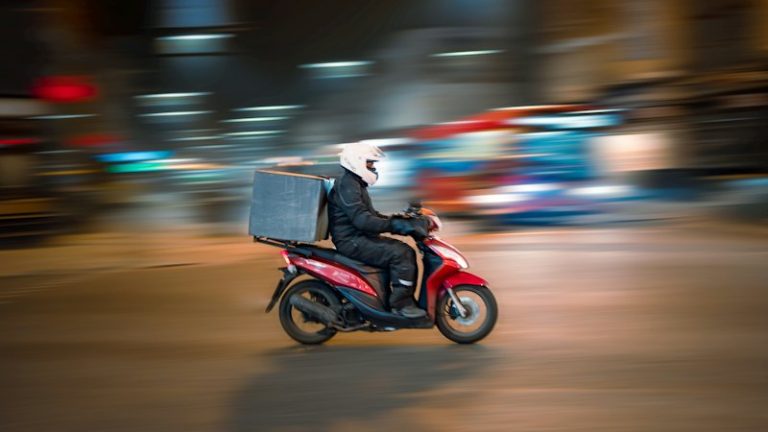
1Order a taxi through an app, have dinner delivered to your door or hire someone online to design a logo, and you are taking part in what has become known as the ‘gig economy’. The term, borrowed from musicians who are paid for individual performances, describes a labour market in which people work on short-term tasks or ‘gigs’ rather than holding a permanent job with a single employer. In the space of little more than a decade, it has grown from a niche phenomenon into a significant part of the economy in many countries.
2For companies, the attractions are obvious. Instead of employing staff with fixed salaries, holiday pay and pensions, platforms can match supply and demand almost instantly, paying workers only for the tasks they complete. This flexibility allows businesses to expand rapidly and to keep prices low – one reason why consumers have embraced gig services so enthusiastically.
3Many workers, too, value the freedom. Students can fit deliveries around their lectures; parents can drive in the hours their children are at school; retired people can earn extra income on their own terms. Freelance designers, translators and programmers can choose their clients and work from anywhere with an internet connection. For some, the ability to log in and out whenever they like is worth more than the security of a traditional contract.
4Critics, however, argue that this flexibility often benefits companies far more than workers. Because gig workers are usually classified as self-employed, they are not entitled to a minimum wage, sick pay or paid holidays. Their income can fluctuate dramatically from week to week, making it difficult to plan or to obtain a loan or a mortgage. And while platforms present themselves as neutral technology providers, they often control key aspects of the work – setting prices, assigning tasks and rating performance – in ways that look very much like those of a traditional employer.
5The role of algorithms has proved particularly controversial. Workers on some platforms report being ‘deactivated’ – effectively dismissed – after a series of low customer ratings, often with little explanation and no opportunity to appeal. Others describe the pressure of constantly being monitored and timed. “The app is my boss,” one London courier explained, “but you can't have a conversation with an app.”
6In response, governments and courts in several countries have begun to intervene. In a landmark ruling in 2021, the UK Supreme Court decided that drivers for one major ride-hailing company should be treated as ‘workers’ rather than self-employed contractors, entitling them to basic rights such as holiday pay. The European Union has also introduced rules aimed at improving transparency around algorithmic management. Meanwhile, some gig workers have formed unions or online networks to share information and negotiate collectively.
7The future shape of the gig economy remains uncertain. Some economists believe it will continue to expand as more types of work are broken down into tasks that can be distributed online. Others predict that tighter regulation will push platforms towards more traditional employment models. What seems clear is that the central question – how to combine flexibility with fairness – will be one of the defining labour issues of the coming decades.
Multiple choice
Choose the correct answer.
1Where does the term ‘gig economy’ come from?
Why: Borrowed from musicians who are paid for individual performances.
Paragraph 1 ↗“The term, borrowed from musicians who are paid for individual performances, describes a labour market in which people work on short-term tasks or ‘gigs’ rather than holding a permanent job with a single employer.”
2Why are gig services popular with consumers?
Why: To keep prices low.
Paragraph 2 ↗“This flexibility allows businesses to expand rapidly and to keep prices low – one reason why consumers have embraced gig services so enthusiastically.”
3What do many gig workers value most?
Why: The ability to log in and out whenever they like.
Paragraph 3 ↗“For some, the ability to log in and out whenever they like is worth more than the security of a traditional contract.”
4What is one problem of being self-employed, according to critics?
Why: Not entitled to a minimum wage.
Paragraph 4 ↗“Because gig workers are usually classified as self-employed, they are not entitled to a minimum wage, sick pay or paid holidays.”
5What point does the courier's quote illustrate?
Why: You can't have a conversation with an app.
Paragraph 5 ↗“one London courier explained, “but you can't have a conversation with an app.””
6What did the UK Supreme Court decide in 2021?
Why: Treated as workers… entitling them to holiday pay.
Paragraph 6 ↗“In a landmark ruling in 2021, the UK Supreme Court decided that drivers for one major ride-hailing company should be treated as ‘workers’ rather than self-employed contractors, entitling them to basic rights such as…”
7What does the writer think will be a key issue in the future?
Why: How to combine flexibility with fairness.
Paragraph 7 ↗“What seems clear is that the central question – how to combine flexibility with fairness – will be one of the defining labour issues of the coming decades.”
True or False
Decide if each statement is true or false according to the text.
8The gig economy has existed for over fifty years.
Why: In little more than a decade.
Paragraph 1 ↗“In the space of little more than a decade, it has grown from a niche phenomenon into a significant part of the economy in many countries.”
9Platforms usually pay workers fixed monthly salaries.
Why: Paying workers only for the tasks they complete.
Paragraph 2 ↗“Instead of employing staff with fixed salaries, holiday pay and pensions, platforms can match supply and demand almost instantly, paying workers only for the tasks they complete.”
10Some freelancers can work from any location.
Why: Work from anywhere with an internet connection.
Paragraph 3 ↗“Freelance designers, translators and programmers can choose their clients and work from anywhere with an internet connection.”
11Platforms often control prices and assign tasks.
Why: Setting prices, assigning tasks and rating performance.
Paragraph 4 ↗“And while platforms present themselves as neutral technology providers, they often control key aspects of the work – setting prices, assigning tasks and rating performance – in ways that look very much like those of…”
12Deactivated workers always receive a clear explanation.
Why: Often with little explanation.
Paragraph 5 ↗“Workers on some platforms report being ‘deactivated’ – effectively dismissed – after a series of low customer ratings, often with little explanation and no opportunity to appeal.”
13All economists agree the gig economy will keep growing.
Why: Some… Others predict tighter regulation.
Paragraph 7 ↗“Others predict that tighter regulation will push platforms towards more traditional employment models.”
Match the headings
Choose the best heading for each paragraph. There is one extra heading.
14Paragraph 1
Why: Definition of the gig economy.
Paragraph 1 ↗“Order a taxi through an app, have dinner delivered to your door or hire someone online to design a logo, and you are taking part in what has become known as the ‘gig economy’.”
15Paragraph 2
Why: Attractions for companies.
Paragraph 2 ↗“For companies, the attractions are obvious.”
16Paragraph 3
Why: Workers value the freedom.
Paragraph 3 ↗“Many workers, too, value the freedom.”
17Paragraph 4
Why: No minimum wage, sick pay or holidays.
Paragraph 4 ↗“Because gig workers are usually classified as self-employed, they are not entitled to a minimum wage, sick pay or paid holidays.”
18Paragraph 5
Why: Algorithms and deactivation.
Paragraph 5 ↗“The role of algorithms has proved particularly controversial.”
19Paragraph 6
Why: Courts and the EU intervene.
Paragraph 6 ↗“In response, governments and courts in several countries have begun to intervene.”
20Paragraph 7
Why: The future remains uncertain.
Paragraph 7 ↗“The future shape of the gig economy remains uncertain.”
Vocabulary in context
Find a word in the text that matches each meaning.
21lasting for a long time (para 1):
Why: A permanent job.
Paragraph 1 ↗“The term, borrowed from musicians who are paid for individual performances, describes a labour market in which people work on short-term tasks or ‘gigs’ rather than holding a permanent job with a single employer.”
22accepted eagerly (para 2):
Why: Consumers have embraced gig services.
Paragraph 2 ↗“This flexibility allows businesses to expand rapidly and to keep prices low – one reason why consumers have embraced gig services so enthusiastically.”
23having the right to something (para 4): to
Why: Not entitled to a minimum wage.
Paragraph 4 ↗“Because gig workers are usually classified as self-employed, they are not entitled to a minimum wage, sick pay or paid holidays.”
24change often in level (para 4):
Why: Income can fluctuate dramatically.
Paragraph 4 ↗“Their income can fluctuate dramatically from week to week, making it difficult to plan or to obtain a loan or a mortgage.”
25a loan to buy a house (para 4):
Why: A loan or a mortgage.
Paragraph 4 ↗“Their income can fluctuate dramatically from week to week, making it difficult to plan or to obtain a loan or a mortgage.”
26become involved to change a situation (para 6):
Why: Governments have begun to intervene.
Paragraph 6 ↗“In response, governments and courts in several countries have begun to intervene.”