Home › Reading › B2 Reading Tests › Rewilding: Letting Nature Take Over
Rewilding: Letting Nature Take Over – B2 English Reading Test
Key words and reading strategy
B2 articles often present a new idea, give examples, then objections and responses. Keep track of who holds each opinion: supporters, scientists, farmers or advocates.
Key terms
Rewilding: Letting Nature Take Over
1For most of the last century, nature conservation meant careful management. Meadows were mown at the right time of year, hedges were trimmed, invasive plants were removed and endangered species were protected in carefully defined reserves. In recent years, however, a different philosophy has been gaining ground. Known as ‘rewilding’, it argues that, in many places, the best thing humans can do for nature is to step back and let natural processes take over.
2At its heart, rewilding is about restoring ecosystems to a point where they can largely look after themselves. Often this involves reintroducing species that have disappeared from an area – particularly large animals, which play a central role in shaping the landscape. Supporters point out that many of the habitats we now consider ‘natural’ are in fact the result of centuries of human activity, and that much of the wildlife that once lived in them has been lost.
3One of the most frequently cited examples is the return of wolves to Yellowstone National Park in the United States in 1995. Before their reintroduction, large populations of deer called elk grazed freely along the rivers, preventing young trees from growing. Once the wolves returned, the elk changed their behaviour, avoiding open valleys where they could easily be hunted. Trees and bushes began to recover, which in turn stabilised riverbanks and attracted birds and beavers. Some scientists now believe the story has been simplified, but it captured the public imagination.
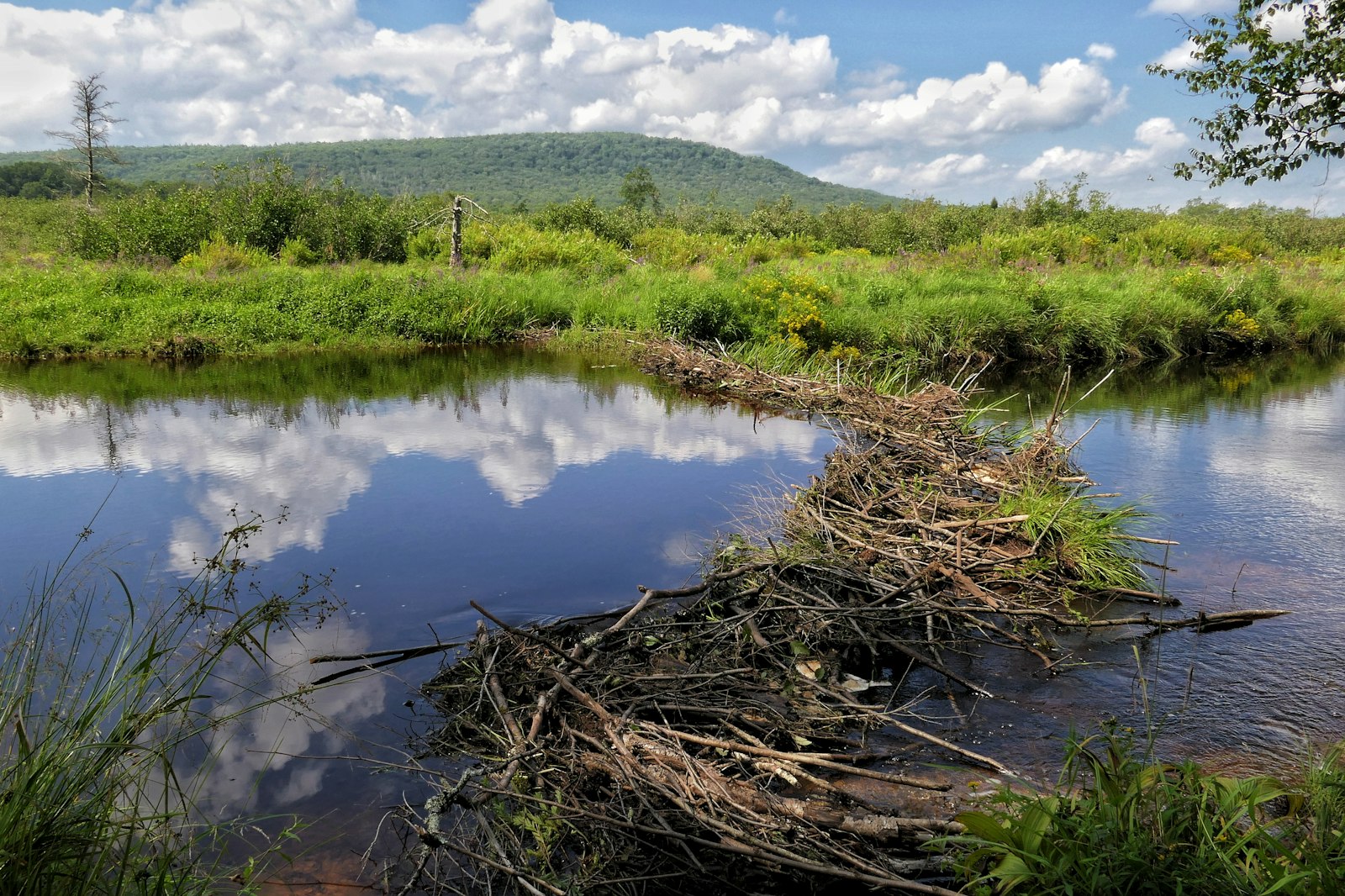
4In Europe, the beaver has become a symbol of the movement. Hunted almost to extinction for its fur, it is now returning to rivers in Britain, Germany and elsewhere. By building dams, beavers create ponds and wetlands that hold water during droughts and slow it down during heavy rain, reducing the risk of flooding further downstream. A study in south-west England found that a beaver-dammed area held back significant amounts of water during storms – a free service that would cost a fortune to replicate with engineering.
5Not everyone is enthusiastic. Farmers have raised concerns that reintroduced predators such as wolves and lynx could attack their sheep, and that beaver dams may flood valuable farmland. Some rural communities feel that rewilding projects are imposed on them by city-based organisations who do not depend on the land for a living. There are also fears that ‘letting nature take over’ could mean abandoning traditional landscapes and the cultural heritage associated with them.
6Advocates respond that rewilding does not have to mean the exclusion of people. Many projects now include compensation schemes for farmers who lose livestock, and some argue that wild landscapes can create new economic opportunities through eco-tourism. In Scotland and Spain, for instance, villages that were losing their young people have seen new jobs emerge in wildlife guiding, accommodation and research.
7Ultimately, the debate reflects a deeper question about our relationship with the natural world. Should humans act as gardeners, deciding exactly what lives where? Or should we accept a degree of unpredictability and allow nature to make some of the decisions? As climate change and biodiversity loss accelerate, the answer may well shape the landscapes our grandchildren inherit.
Multiple choice
Choose the correct answer.
1How was nature conservation traditionally done?
Why: Conservation meant careful management.
Paragraph 1 ↗“For most of the last century, nature conservation meant careful management.”
2What point do rewilding supporters make about ‘natural’ habitats?
Why: The result of centuries of human activity.
Paragraph 2 ↗“Supporters point out that many of the habitats we now consider ‘natural’ are in fact the result of centuries of human activity, and that much of the wildlife that once lived in them has been lost.”
3How did wolves help trees in Yellowstone?
Why: The elk changed their behaviour, avoiding open valleys.
Paragraph 3 ↗“Once the wolves returned, the elk changed their behaviour, avoiding open valleys where they could easily be hunted.”
4What does the writer suggest about the Yellowstone story?
Why: Some scientists believe the story has been simplified.
Paragraph 3 ↗“Some scientists now believe the story has been simplified, but it captured the public imagination.”
5What ‘free service’ do beavers provide?
Why: Reducing the risk of flooding further downstream.
Paragraph 4 ↗“By building dams, beavers create ponds and wetlands that hold water during droughts and slow it down during heavy rain, reducing the risk of flooding further downstream.”
6Why do some rural communities object?
Why: Imposed on them by city-based organisations.
Paragraph 5 ↗“Some rural communities feel that rewilding projects are imposed on them by city-based organisations who do not depend on the land for a living.”
7What do advocates say about the economy?
Why: New jobs emerge in wildlife guiding…
Paragraph 6 ↗“In Scotland and Spain, for instance, villages that were losing their young people have seen new jobs emerge in wildlife guiding, accommodation and research.”
True or False
Decide if each statement is true or false according to the text.
8Wolves were reintroduced to Yellowstone in 1995.
Why: In 1995.
Paragraph 3 ↗“One of the most frequently cited examples is the return of wolves to Yellowstone National Park in the United States in 1995.”
9Beavers were hunted mainly for their meat.
Why: Hunted almost to extinction for its fur.
Paragraph 4 ↗“Hunted almost to extinction for its fur, it is now returning to rivers in Britain, Germany and elsewhere.”
10Beaver dams can help during periods without rain.
Why: Hold water during droughts.
Paragraph 4 ↗“By building dams, beavers create ponds and wetlands that hold water during droughts and slow it down during heavy rain, reducing the risk of flooding further downstream.”
11Farmers worry that predators might kill their animals.
Why: Could attack their sheep.
Paragraph 5 ↗“Farmers have raised concerns that reintroduced predators such as wolves and lynx could attack their sheep, and that beaver dams may flood valuable farmland.”
12Advocates say rewilding must exclude people.
Why: Rewilding does not have to mean the exclusion of people.
Paragraph 6 ↗“Advocates respond that rewilding does not have to mean the exclusion of people.”
13The writer gives a definite answer to the final question.
Why: The answer may well shape… (open question).
Paragraph 7 ↗“As climate change and biodiversity loss accelerate, the answer may well shape the landscapes our grandchildren inherit.”
Match the headings
Choose the best heading for each paragraph. There is one extra heading.
14Paragraph 1
Why: A different philosophy.
Paragraph 1 ↗“In recent years, however, a different philosophy has been gaining ground.”
15Paragraph 2
Why: Restoring ecosystems and reintroducing species.
Paragraph 2 ↗“At its heart, rewilding is about restoring ecosystems to a point where they can largely look after themselves.”
16Paragraph 3
Why: Yellowstone.
Paragraph 3 ↗“One of the most frequently cited examples is the return of wolves to Yellowstone National Park in the United States in 1995.”
17Paragraph 4
Why: Beavers build dams.
Paragraph 4 ↗“By building dams, beavers create ponds and wetlands that hold water during droughts and slow it down during heavy rain, reducing the risk of flooding further downstream.”
18Paragraph 5
Why: Not everyone is enthusiastic.
Paragraph 5 ↗“Not everyone is enthusiastic.”
19Paragraph 6
Why: Compensation and eco-tourism.
Paragraph 6 ↗“Many projects now include compensation schemes for farmers who lose livestock, and some argue that wild landscapes can create new economic opportunities through eco-tourism.”
20Paragraph 7
Why: Should humans act as gardeners?
Paragraph 7 ↗“Should humans act as gardeners, deciding exactly what lives where?”
Vocabulary in context
Find a word in the text that matches each meaning.
21the natural home of an animal or plant (para 2):
Why: The habitats we consider natural.
Paragraph 2 ↗“Supporters point out that many of the habitats we now consider ‘natural’ are in fact the result of centuries of human activity, and that much of the wildlife that once lived in them has been lost.”
22when a species no longer exists (para 4):
Why: Almost to extinction.
Paragraph 4 ↗“Hunted almost to extinction for its fur, it is now returning to rivers in Britain, Germany and elsewhere.”
23a long period without rain (para 4):
Why: During droughts.
Paragraph 4 ↗“By building dams, beavers create ponds and wetlands that hold water during droughts and slow it down during heavy rain, reducing the risk of flooding further downstream.”
24an animal that hunts others (para 5):
Why: Reintroduced predators.
Paragraph 5 ↗“Farmers have raised concerns that reintroduced predators such as wolves and lynx could attack their sheep, and that beaver dams may flood valuable farmland.”
25money paid because of a loss (para 6):
Why: Compensation schemes.
Paragraph 6 ↗“Many projects now include compensation schemes for farmers who lose livestock, and some argue that wild landscapes can create new economic opportunities through eco-tourism.”
26the variety of living things (para 7):
Why: Biodiversity loss.
Paragraph 7 ↗“As climate change and biodiversity loss accelerate, the answer may well shape the landscapes our grandchildren inherit.”