Home › Reading › B2 Reading Tests › Cities Built for Walking
Cities Built for Walking – B2 English Reading Test
Key words and reading strategy
Identify the purpose of each paragraph – background, examples, benefits, criticisms, conclusion. Correct options paraphrase the text; wrong options often repeat its words but change the meaning.
Key terms
Cities Built for Walking
1For most of the twentieth century, cities were designed around the car. Wide roads cut through historic neighbourhoods, pavements shrank to make room for extra traffic lanes, and new suburbs were built where it was almost impossible to buy a loaf of bread without driving. The assumption was simple: progress meant speed, and speed meant cars. Today, a growing number of urban planners are questioning that assumption and asking a different question – what would a city look like if it were designed for people on foot?
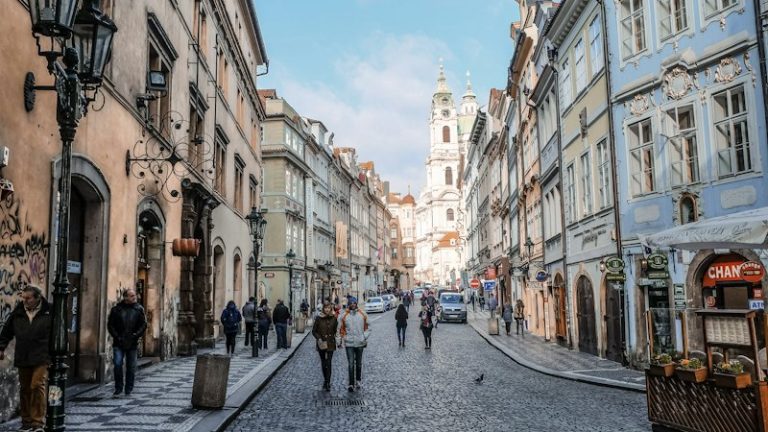
2The idea is not entirely new. Cities such as Venice, Fez and the old centres of many European towns were built long before the motor car, and their narrow streets, small squares and mixed uses still attract millions of visitors precisely because they are so pleasant to walk in. What is new is the deliberate attempt to recreate these qualities in modern cities, often by taking space back from cars.
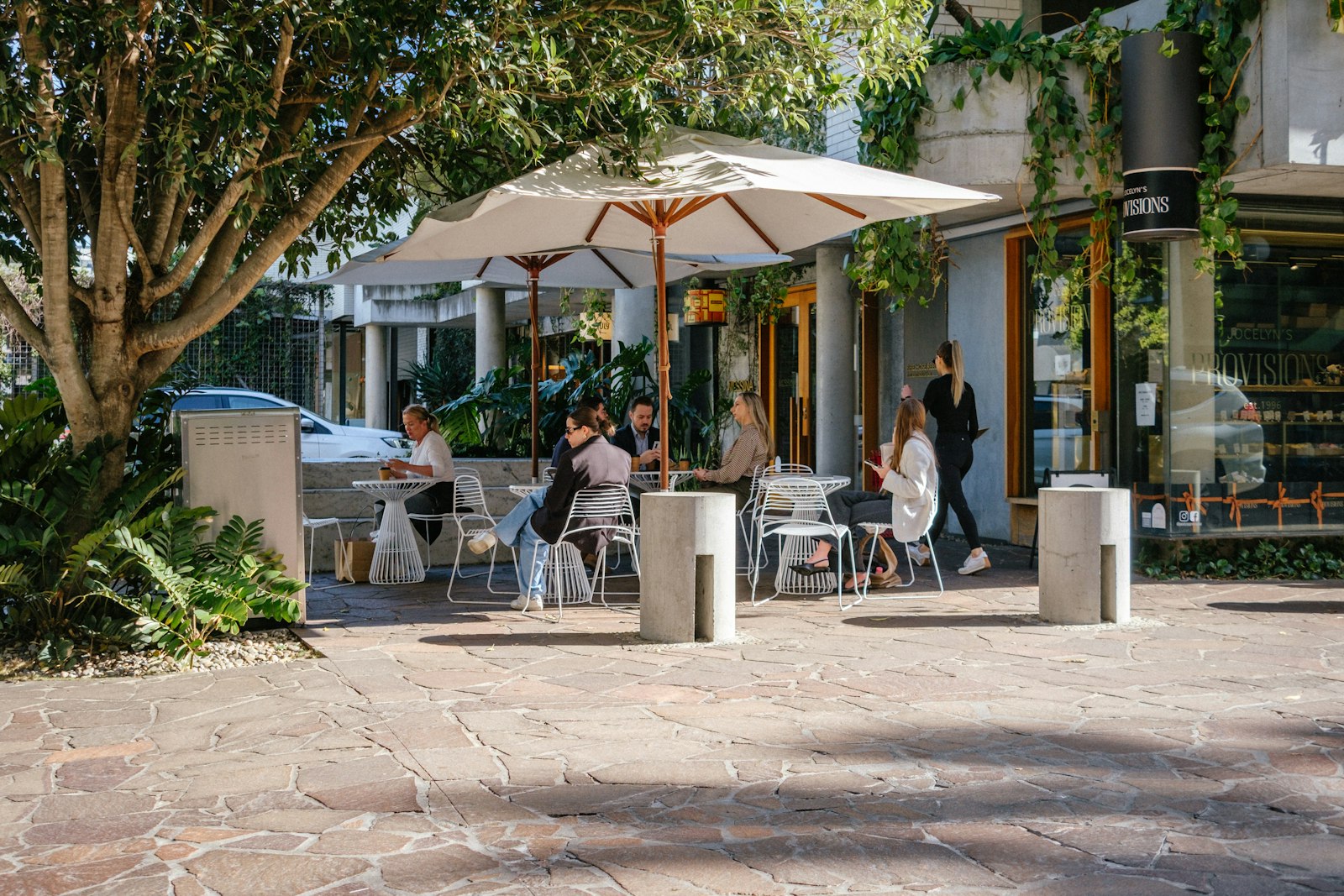
3Barcelona's ‘superblocks’ are a well-known example. Planners grouped nine city blocks together and restricted through traffic to the roads around the outside. The streets inside, once noisy with cars, have been turned into spaces with benches, trees, playgrounds and outdoor cafés. Local residents initially protested, fearing traffic chaos and a loss of business. Within a few years, however, studies recorded lower pollution and noise levels, and many shopkeepers reported that trade had actually increased.
4Paris has pursued an even more ambitious vision under the slogan of the ‘15-minute city’. The aim is that residents should be able to reach most of their daily needs – work, schools, shops, healthcare and parks – within a quarter of an hour on foot or by bike. To achieve this, the city has created hundreds of kilometres of cycle lanes, closed some roads along the river Seine to traffic and turned school streets into car-free zones at the beginning and end of the day.
5The benefits of walkable cities extend well beyond reduced traffic. People who live in walkable neighbourhoods tend to be more physically active and less likely to be overweight. Local streets full of pedestrians feel safer, because there are more ‘eyes on the street’, as the urban writer Jane Jacobs famously put it. Walking also encourages casual social contact – bumping into neighbours, chatting with shopkeepers – which can reduce loneliness and strengthen communities.
6Nevertheless, the approach has its critics. Some argue that car-free zones simply push traffic onto surrounding roads, causing congestion and pollution in poorer areas. Others warn that as neighbourhoods become more attractive, property prices rise, forcing out the very residents the changes were meant to benefit. And for people with disabilities, older residents or those who need to travel long distances for work, giving up the car is not always a realistic option.
7Supporters accept that walkable cities must be planned carefully and fairly, with good public transport and affordable housing. But they argue that the alternative – cities dominated by traffic – carries far greater costs in terms of health, climate and quality of life. As one planner put it, “We spent fifty years building cities for cars. Now we need to spend the next fifty building them for people.”
Multiple choice
Choose the correct answer.
1What was the main idea behind twentieth-century city planning?
Why: Cities were designed around the car.
Paragraph 1 ↗“For most of the twentieth century, cities were designed around the car.”
2Why do places like Venice attract visitors, according to the text?
Why: Precisely because they are so pleasant to walk in.
Paragraph 2 ↗“Cities such as Venice, Fez and the old centres of many European towns were built long before the motor car, and their narrow streets, small squares and mixed uses still attract millions of visitors precisely because…”
3How did Barcelona residents feel about superblocks at first?
Why: Local residents initially protested.
Paragraph 3 ↗“Local residents initially protested, fearing traffic chaos and a loss of business.”
4What is the aim of the ‘15-minute city’?
Why: Reach most of their daily needs within a quarter of an hour.
Paragraph 4 ↗“The aim is that residents should be able to reach most of their daily needs – work, schools, shops, healthcare and parks – within a quarter of an hour on foot or by bike.”
5What does ‘eyes on the street’ refer to?
Why: More pedestrians… feel safer.
Paragraph 5 ↗“Local streets full of pedestrians feel safer, because there are more ‘eyes on the street’, as the urban writer Jane Jacobs famously put it.”
6What is one criticism of walkable neighbourhoods?
Why: Property prices rise, forcing out residents.
Paragraph 6 ↗“Others warn that as neighbourhoods become more attractive, property prices rise, forcing out the very residents the changes were meant to benefit.”
7What does the planner's quote suggest?
Why: Now we need to… build them for people.
Paragraph 7 ↗“Now we need to spend the next fifty building them for people.””
True or False
Decide if each statement is true or false according to the text.
8The idea of walkable cities is completely new.
Why: The idea is not entirely new.
Paragraph 2 ↗“The idea is not entirely new.”
9A superblock groups nine city blocks.
Why: Grouped nine city blocks together.
Paragraph 3 ↗“Planners grouped nine city blocks together and restricted through traffic to the roads around the outside.”
10Shopkeepers in Barcelona lost business permanently.
Why: Trade had actually increased.
Paragraph 3 ↗“Within a few years, however, studies recorded lower pollution and noise levels, and many shopkeepers reported that trade had actually increased.”
11Paris has closed some roads along the Seine.
Why: Closed some roads along the river Seine.
Paragraph 4 ↗“To achieve this, the city has created hundreds of kilometres of cycle lanes, closed some roads along the river Seine to traffic and turned school streets into car-free zones at the beginning and end of the day.”
12Walking can help reduce loneliness.
Why: Can reduce loneliness.
Paragraph 5 ↗“Walking also encourages casual social contact – bumping into neighbours, chatting with shopkeepers – which can reduce loneliness and strengthen communities.”
13Critics say car-free zones may increase traffic elsewhere.
Why: Push traffic onto surrounding roads.
Paragraph 6 ↗“Some argue that car-free zones simply push traffic onto surrounding roads, causing congestion and pollution in poorer areas.”
Match the headings
Choose the best heading for each paragraph. There is one extra heading.
14Paragraph 1
Why: Designing for people on foot.
Paragraph 1 ↗“Today, a growing number of urban planners are questioning that assumption and asking a different question – what would a city look like if it were designed for people on foot?”
15Paragraph 2
Why: Venice, Fez and old European centres.
Paragraph 2 ↗“Cities such as Venice, Fez and the old centres of many European towns were built long before the motor car, and their narrow streets, small squares and mixed uses still attract millions of visitors precisely because…”
16Paragraph 3
Why: Barcelona's superblocks.
Paragraph 3 ↗“Barcelona's ‘superblocks’ are a well-known example.”
17Paragraph 4
Why: The 15-minute city.
Paragraph 4 ↗“Paris has pursued an even more ambitious vision under the slogan of the ‘15-minute city’.”
18Paragraph 5
Why: Benefits beyond reduced traffic.
Paragraph 5 ↗“The benefits of walkable cities extend well beyond reduced traffic.”
19Paragraph 6
Why: The approach has its critics.
Paragraph 6 ↗“Nevertheless, the approach has its critics.”
20Paragraph 7
Why: Supporters argue the alternative costs more.
Paragraph 7 ↗“But they argue that the alternative – cities dominated by traffic – carries far greater costs in terms of health, climate and quality of life.”
Vocabulary in context
Find a word in the text that matches each meaning.
21something believed without proof (para 1):
Why: That assumption.
Paragraph 1 ↗“Today, a growing number of urban planners are questioning that assumption and asking a different question – what would a city look like if it were designed for people on foot?”
22done on purpose (para 2):
Why: A deliberate attempt.
Paragraph 2 ↗“What is new is the deliberate attempt to recreate these qualities in modern cities, often by taking space back from cars.”
23complete disorder (para 3):
Why: Traffic chaos.
Paragraph 3 ↗“Local residents initially protested, fearing traffic chaos and a loss of business.”
24aiming high and needing a lot of effort (para 4):
Why: An even more ambitious vision.
Paragraph 4 ↗“Paris has pursued an even more ambitious vision under the slogan of the ‘15-minute city’.”
25too much traffic (para 6):
Why: Causing congestion.
Paragraph 6 ↗“Some argue that car-free zones simply push traffic onto surrounding roads, causing congestion and pollution in poorer areas.”
26cheap enough for people (para 7):
Why: Affordable housing.
Paragraph 7 ↗“Supporters accept that walkable cities must be planned carefully and fairly, with good public transport and affordable housing.”