Home › Reading › B1 Reading Tests › Living in a Tiny House
Living in a Tiny House – B1 English Reading Test
Key words and reading strategy
This article combines a personal example (Emma and Josh) with general information about a trend. Questions can ask about either – check whether the question is about the couple or about tiny houses in general.
Key terms
Living in a Tiny House
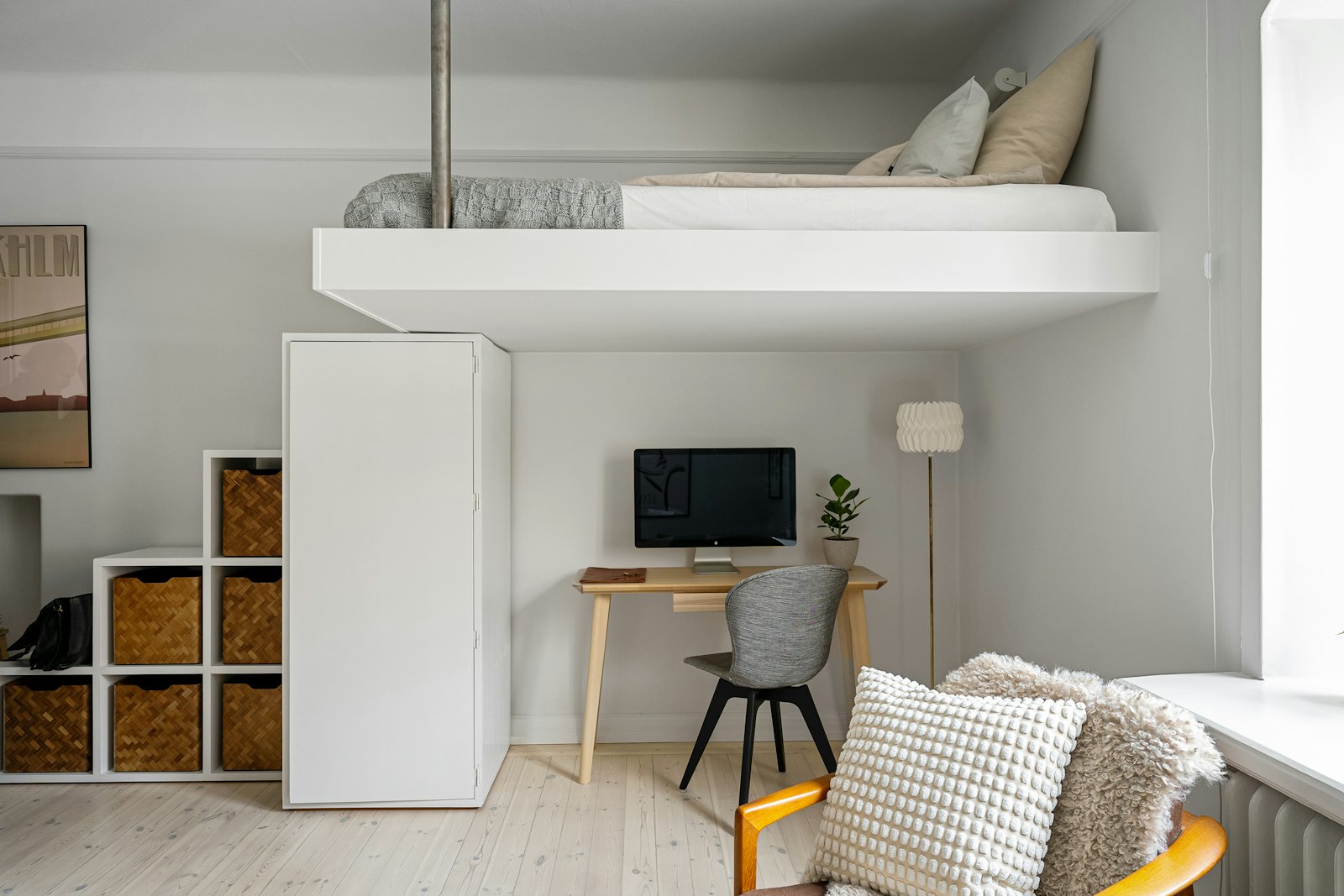
1Emma and Josh's home is about the size of a large parking space. At just eighteen square metres, it contains a kitchen, a bathroom with a shower, a living area with a sofa that turns into a table, and a sleeping space under the roof that you reach by a ladder. It also has wheels. “People always ask where we put our things,” Emma laughs. “The honest answer is: we don't have many things any more.”
2The couple, both in their early thirties, are part of the ‘tiny house movement’, which started in the United States and has spread to many other countries. Its followers choose to live in very small homes – usually under thirty-seven square metres – for financial, environmental or simply personal reasons. Some build the houses themselves; others buy them from specialist companies.
3For Emma and Josh, money was the main reason. Before they moved, they were renting a two-bedroom flat in the city and spending more than half of their salaries on rent and bills. “We worked all the time just to pay for a place we hardly saw,” Josh says. Building the tiny house cost them about £35,000, which they paid with their savings and a small loan. Now their monthly costs are a fraction of what they were, and they hope to be completely free of debt within two years.
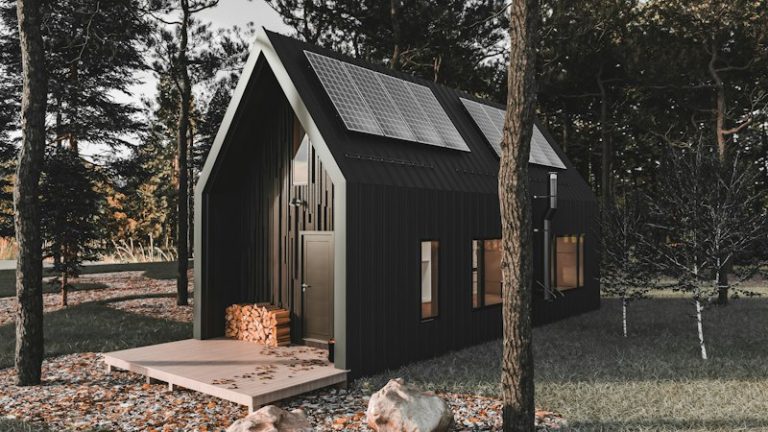
4The house is also much better for the environment. It has solar panels on the roof, which provide most of their electricity, and a tank that collects rainwater for washing. Because the space is so small, it takes very little energy to heat in winter. Living with fewer possessions has also changed the way they shop. “Before we buy anything, we ask ourselves: do we really need it, and where will it go?” Emma explains.
5Of course, tiny living is not always easy. The first few months were a period of adjustment. There is no space to get away from each other after an argument, and when it rains for a week, the house can feel very small indeed. Having friends round for dinner means eating outside or squeezing four people around a table designed for two. And finding a place to park the house legally was one of their biggest problems; in the end, a farmer agreed to rent them a corner of his land.
6Critics of the movement argue that tiny houses are a lifestyle choice for people who have options, not a solution to the housing crisis. Families with children, older people or those with disabilities may find them impractical. Planning laws in many areas also make it difficult to live in one permanently.
7Still, Emma and Josh have no plans to go back. They have more time for each other, they both now work four days a week, and they spend their weekends hiking rather than cleaning. “It's not for everyone,” Josh admits. “But living small has made our lives feel much bigger.”
Multiple choice
Choose the correct answer.
1What do people often ask Emma?
Why: People always ask where we put our things.
Paragraph 1 ↗““People always ask where we put our things,””
2What is true about the tiny house movement?
Why: Started in the United States and has spread.
Paragraph 2 ↗“The couple, both in their early thirties, are part of the ‘tiny house movement’, which started in the United States and has spread to many other countries.”
3Why did Emma and Josh choose a tiny house?
Why: For Emma and Josh, money was the main reason.
Paragraph 3 ↗“For Emma and Josh, money was the main reason.”
4How do they get most of their electricity?
Why: Solar panels… provide most of their electricity.
Paragraph 4 ↗“It has solar panels on the roof, which provide most of their electricity, and a tank that collects rainwater for washing.”
5How has their shopping changed?
Why: Do we really need it, and where will it go?
Paragraph 4 ↗““Before we buy anything, we ask ourselves: do we really need it, and where will it go?””
6What was one of their biggest problems?
Why: Finding a place to park the house legally.
Paragraph 5 ↗“And finding a place to park the house legally was one of their biggest problems; in the end, a farmer agreed to rent them a corner of his land.”
7What do critics say?
Why: Not a solution to the housing crisis.
Paragraph 6 ↗“Critics of the movement argue that tiny houses are a lifestyle choice for people who have options, not a solution to the housing crisis.”
True or False
Decide if each statement is true or false.
8The house has a separate bedroom with a door.
Why: A sleeping space under the roof reached by a ladder.
Paragraph 1 ↗“At just eighteen square metres, it contains a kitchen, a bathroom with a shower, a living area with a sofa that turns into a table, and a sleeping space under the roof that you reach by a ladder.”
9They used to spend over half their salaries on rent and bills.
Why: More than half of their salaries.
Paragraph 3 ↗“Before they moved, they were renting a two-bedroom flat in the city and spending more than half of their salaries on rent and bills.”
10The house cost them about £35,000.
Why: About £35,000.
Paragraph 3 ↗“Building the tiny house cost them about £35,000, which they paid with their savings and a small loan.”
11The house is expensive to heat.
Why: It takes very little energy to heat.
Paragraph 4 ↗“Because the space is so small, it takes very little energy to heat in winter.”
12It is easy to have guests for dinner.
Why: Eating outside or squeezing four people around a table for two.
Paragraph 5 ↗“Having friends round for dinner means eating outside or squeezing four people around a table designed for two.”
13Both Emma and Josh now work four days a week.
Why: They both now work four days a week.
Paragraph 7 ↗“They have more time for each other, they both now work four days a week, and they spend their weekends hiking rather than cleaning.”
Match the headings
Choose the best heading for each paragraph. There is one extra heading.
14Paragraph 1
Why: Kitchen, bathroom and bed in 18 m².
Paragraph 1 ↗“At just eighteen square metres, it contains a kitchen, a bathroom with a shower, a living area with a sofa that turns into a table, and a sleeping space under the roof that you reach by a ladder.”
15Paragraph 2
Why: The movement has spread.
Paragraph 2 ↗“The couple, both in their early thirties, are part of the ‘tiny house movement’, which started in the United States and has spread to many other countries.”
16Paragraph 3
Why: Money was the main reason.
Paragraph 3 ↗“For Emma and Josh, money was the main reason.”
17Paragraph 4
Why: Solar panels and rainwater.
Paragraph 4 ↗“It has solar panels on the roof, which provide most of their electricity, and a tank that collects rainwater for washing.”
18Paragraph 5
Why: No space after an argument.
Paragraph 5 ↗“There is no space to get away from each other after an argument, and when it rains for a week, the house can feel very small indeed.”
19Paragraph 6
Why: Critics of the movement.
Paragraph 6 ↗“Critics of the movement argue that tiny houses are a lifestyle choice for people who have options, not a solution to the housing crisis.”
20Paragraph 7
Why: Living small has made our lives bigger.
Paragraph 7 ↗““But living small has made our lives feel much bigger.””
Vocabulary from the text
Find the word in the text that matches each meaning.
21money kept and not spent (para 3):
Why: Paid with their savings.
Paragraph 3 ↗“Building the tiny house cost them about £35,000, which they paid with their savings and a small loan.”
22money borrowed from a bank (para 3):
Why: A small loan.
Paragraph 3 ↗“Building the tiny house cost them about £35,000, which they paid with their savings and a small loan.”
23money that you owe (para 3):
Why: Free of debt.
Paragraph 3 ↗“Now their monthly costs are a fraction of what they were, and they hope to be completely free of debt within two years.”
24things that you own (para 4):
Why: Fewer possessions.
Paragraph 4 ↗“Living with fewer possessions has also changed the way they shop.”
25getting used to something new (para 5):
Why: A period of adjustment.
Paragraph 5 ↗“The first few months were a period of adjustment.”
26push into a small space (para 5):
Why: Squeezing four people.
Paragraph 5 ↗“Having friends round for dinner means eating outside or squeezing four people around a table designed for two.”