Home › Reading › C2 Reading Tests › The Afterlife of Abandoned Places
The Afterlife of Abandoned Places – C2 English Reading Test
Key words and reading strategy
The essay explores several interpretations of a fascination – aesthetic, historical, ethical, ecological and philosophical – and weighs a critical view (‘ruin porn’) against a more generous reading. Note how the final paragraph synthesises these strands.
Key terms
The Afterlife of Abandoned Places
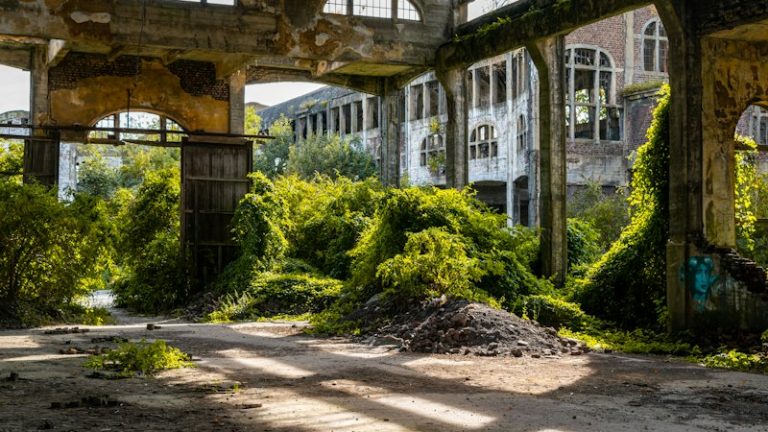
1Few images exert as peculiar a fascination as that of a place humans have left behind. A theatre whose velvet seats are slowly disappearing beneath moss; a factory floor where saplings have pushed through the concrete; a classroom in which calendars remain turned to a month decades past. Photographs of such scenes circulate widely online, and a subculture of ‘urban explorers’ devotes considerable effort – and, frequently, considerable legal risk – to gaining access to them. The appeal is not difficult to sense, but it is surprisingly difficult to articulate.
2Part of the attraction is undoubtedly aesthetic. Decay produces textures and colours that pristine surfaces lack: peeling paint, rust blooming across metal, light falling through broken windows onto debris. This sensibility has a long lineage. Eighteenth-century European aristocrats commissioned artificial ruins for their gardens, and painters such as Hubert Robert specialised in depicting crumbling classical architecture, sometimes imagining contemporary buildings as they might appear centuries hence. The pleasure of ruins, in this tradition, was bound up with a melancholy reflection on the transience of human achievement.
3Contemporary ruins, however, differ from their classical predecessors in an important respect. The Roman Forum speaks of a civilisation sufficiently remote that its decline can be contemplated with detachment. An abandoned car plant or shopping centre, by contrast, belongs to a world many viewers remember, and its decay may be the direct consequence of economic decisions whose effects are still felt by those who once worked or shopped there. Critics have coined the term ‘ruin porn’ to describe imagery that aestheticises such sites while ignoring the human hardship they represent – a charge levelled in particular at photographers who visited post-industrial Detroit, capturing its derelict landmarks while rarely engaging with the residents who remained.
4There is, nevertheless, a more generous reading of the fascination. Abandoned places can function as unofficial archives, preserving traces of everyday life that official histories overlook: a worker's locker with a faded photograph, a hospital's handwritten records, graffiti left by former inhabitants. They confront viewers with the fragility of institutions that once seemed permanent and, in doing so, may prompt reflection on the choices – economic, political, environmental – that led to their abandonment. In this sense, ruins can be not merely beautiful but instructive.
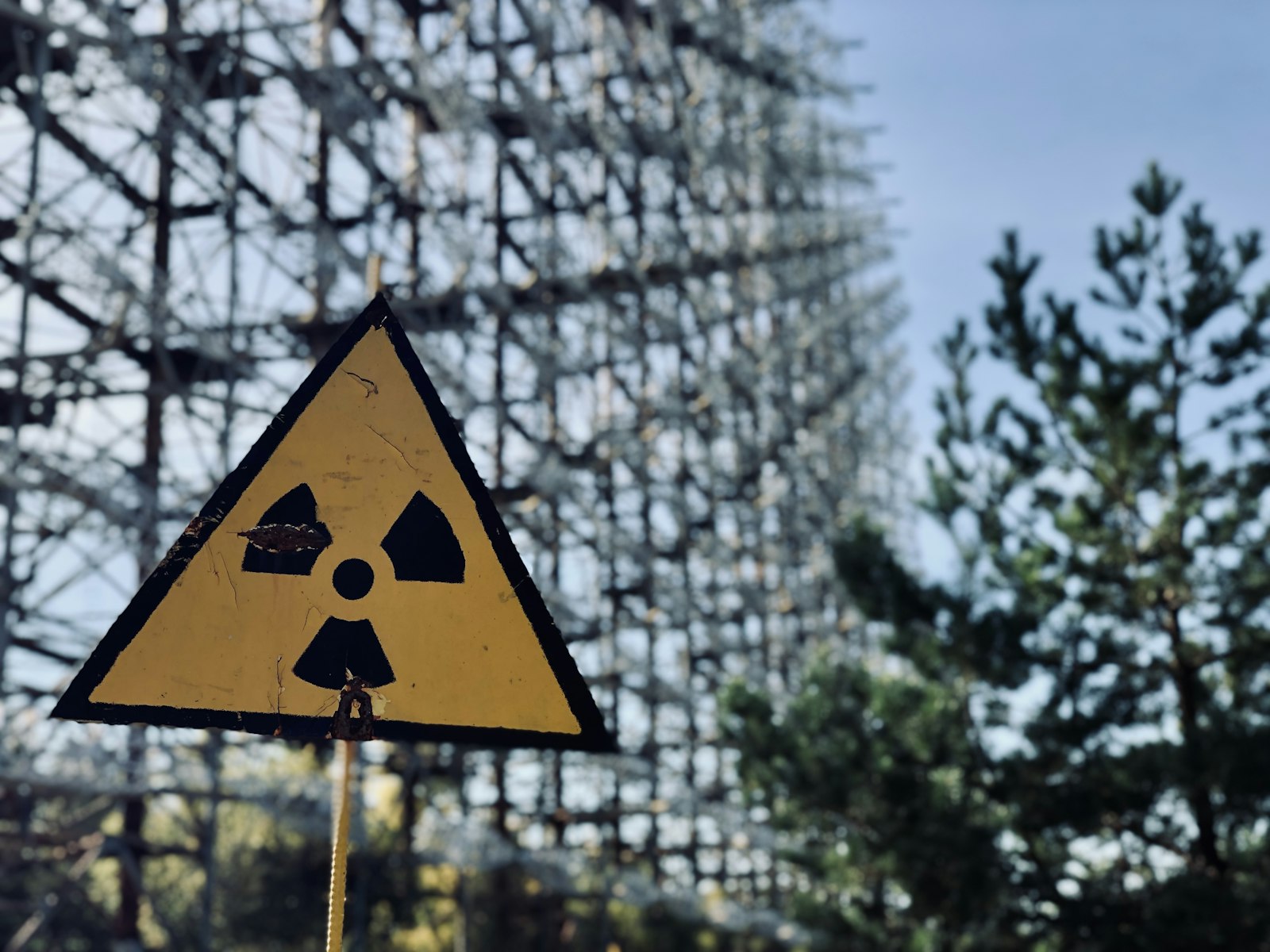
5Perhaps the most remarkable afterlives belong to places where abandonment has been involuntary and total. In the decades since the 1986 nuclear disaster, the Chernobyl Exclusion Zone has become, paradoxically, one of Europe's more striking wildlife refuges. Populations of wolves, elk, wild boar and lynx have flourished in the absence of human activity, despite continuing radioactive contamination. Similarly, the demilitarised zone between North and South Korea, closed to civilians for over seventy years, now harbours rare species that have disappeared elsewhere on the peninsula. These cases offer an unsettling lesson: for many forms of life, human absence may be more beneficial than human care.
6Such observations have informed an emerging field of thought that regards abandoned and neglected spaces not as failures to be remedied but as opportunities. Planners in some shrinking cities have experimented with allowing vacant lots to rewild, converting disused railway lines into elevated parks or permitting temporary cultural uses of empty buildings. These interventions are not without controversy – they can accelerate gentrification, displacing the very communities whose neighbourhoods are being ‘revitalised’ – but they reflect a growing recognition that the end of one use need not be the end of a place's significance.
7Ultimately, the enduring hold of abandoned places may lie in the way they unsettle our sense of time. Modern life is organised around the assumption of continuous progress and renewal; ruins expose its contingency. They remind us that every building is a temporary arrangement of materials, that institutions can vanish within a generation, and that nature, given the slightest opportunity, will reclaim what was borrowed from it. To look at a ruin is, in part, to glimpse our own world from the perspective of its future.
Multiple choice
Choose the best answer.
1What does the writer say about the appeal of abandoned places?
Why: Not difficult to sense, but surprisingly difficult to articulate.
Paragraph 1 ↗“The appeal is not difficult to sense, but it is surprisingly difficult to articulate.”
2Why did eighteenth-century aristocrats build artificial ruins?
Why: The pleasure of ruins… melancholy reflection.
Paragraph 2 ↗“The pleasure of ruins, in this tradition, was bound up with a melancholy reflection on the transience of human achievement.”
3How do contemporary ruins differ from classical ones?
Why: Belongs to a world many viewers remember.
Paragraph 3 ↗“An abandoned car plant or shopping centre, by contrast, belongs to a world many viewers remember, and its decay may be the direct consequence of economic decisions whose effects are still felt by those who once…”
4What does the term ‘ruin porn’ criticise?
Why: Aestheticises such sites while ignoring the human hardship.
Paragraph 3 ↗“Critics have coined the term ‘ruin porn’ to describe imagery that aestheticises such sites while ignoring the human hardship they represent – a charge levelled in particular at photographers who visited…”
5What is the ‘unsettling lesson’ of Chernobyl and the Korean DMZ?
Why: Human absence may be more beneficial than human care.
Paragraph 5 ↗“These cases offer an unsettling lesson: for many forms of life, human absence may be more beneficial than human care.”
6What concern is raised about reusing neglected spaces?
Why: Displacing the very communities…
Paragraph 6 ↗“These interventions are not without controversy – they can accelerate gentrification, displacing the very communities whose neighbourhoods are being ‘revitalised’ – but they reflect a growing recognition that the end…”
7What does the writer suggest in the final paragraph?
Why: Ruins expose its contingency.
Paragraph 7 ↗“Modern life is organised around the assumption of continuous progress and renewal; ruins expose its contingency.”
True or False
Decide if each statement reflects the writer’s views.
8Urban explorers sometimes take legal risks.
Why: Considerable legal risk.
Paragraph 1 ↗“Photographs of such scenes circulate widely online, and a subculture of ‘urban explorers’ devotes considerable effort – and, frequently, considerable legal risk – to gaining access to them.”
9Hubert Robert painted imagined future ruins of contemporary buildings.
Why: Imagining contemporary buildings as they might appear centuries hence.
Paragraph 2 ↗“Eighteenth-century European aristocrats commissioned artificial ruins for their gardens, and painters such as Hubert Robert specialised in depicting crumbling classical architecture, sometimes imagining contemporary…”
10Photographers in Detroit were praised for engaging with residents.
Why: Rarely engaging with the residents who remained.
Paragraph 3 ↗“Critics have coined the term ‘ruin porn’ to describe imagery that aestheticises such sites while ignoring the human hardship they represent – a charge levelled in particular at photographers who visited…”
11Abandoned places can preserve traces of everyday history.
Why: Unofficial archives.
Paragraph 4 ↗“Abandoned places can function as unofficial archives, preserving traces of everyday life that official histories overlook: a worker's locker with a faded photograph, a hospital's handwritten records, graffiti left by…”
12Radioactive contamination in Chernobyl has completely disappeared.
Why: Despite continuing radioactive contamination.
Paragraph 5 ↗“Populations of wolves, elk, wild boar and lynx have flourished in the absence of human activity, despite continuing radioactive contamination.”
13The writer thinks all reuse projects are uncontroversial.
Why: These interventions are not without controversy.
Paragraph 6 ↗“These interventions are not without controversy – they can accelerate gentrification, displacing the very communities whose neighbourhoods are being ‘revitalised’ – but they reflect a growing recognition that the end…”
Understanding the argument
What is the main role of each paragraph?
14Paragraph 1
Why: Images of abandoned places.
Paragraph 1 ↗“Few images exert as peculiar a fascination as that of a place humans have left behind.”
15Paragraph 2
Why: Artificial ruins and Hubert Robert.
Paragraph 2 ↗“Eighteenth-century European aristocrats commissioned artificial ruins for their gardens, and painters such as Hubert Robert specialised in depicting crumbling classical architecture, sometimes imagining contemporary…”
16Paragraph 3
Why: Ruin porn.
Paragraph 3 ↗“Critics have coined the term ‘ruin porn’ to describe imagery that aestheticises such sites while ignoring the human hardship they represent – a charge levelled in particular at photographers who visited…”
17Paragraph 4
Why: A more generous reading.
Paragraph 4 ↗“There is, nevertheless, a more generous reading of the fascination.”
18Paragraph 5
Why: Chernobyl and the DMZ.
Paragraph 5 ↗“Perhaps the most remarkable afterlives belong to places where abandonment has been involuntary and total.”
19Paragraph 6
Why: Rewilding lots and elevated parks.
Paragraph 6 ↗“Planners in some shrinking cities have experimented with allowing vacant lots to rewild, converting disused railway lines into elevated parks or permitting temporary cultural uses of empty buildings.”
20Paragraph 7
Why: Unsettling our sense of time.
Paragraph 7 ↗“Ultimately, the enduring hold of abandoned places may lie in the way they unsettle our sense of time.”
Vocabulary in context
Find a word in the text that matches each meaning.
21express clearly in words (para 1):
Why: Difficult to articulate.
Paragraph 1 ↗“The appeal is not difficult to sense, but it is surprisingly difficult to articulate.”
22in perfect original condition (para 2):
Why: Pristine surfaces.
Paragraph 2 ↗“Decay produces textures and colours that pristine surfaces lack: peeling paint, rust blooming across metal, light falling through broken windows onto debris.”
23the quality of not lasting (para 2):
Why: The transience of human achievement.
Paragraph 2 ↗“The pleasure of ruins, in this tradition, was bound up with a melancholy reflection on the transience of human achievement.”
24in very bad condition through neglect (para 3):
Why: Derelict landmarks.
Paragraph 3 ↗“Critics have coined the term ‘ruin porn’ to describe imagery that aestheticises such sites while ignoring the human hardship they represent – a charge levelled in particular at photographers who visited…”
25provide a home for (para 5):
Why: Now harbours rare species.
Paragraph 5 ↗“Similarly, the demilitarised zone between North and South Korea, closed to civilians for over seventy years, now harbours rare species that have disappeared elsewhere on the peninsula.”
26dependence on chance or circumstance (para 7):
Why: Ruins expose its contingency.
Paragraph 7 ↗“Modern life is organised around the assumption of continuous progress and renewal; ruins expose its contingency.”