Home › Reading › C1 Reading Tests › The Return of the Night Train
The Return of the Night Train – C1 English Reading Test
Key words and reading strategy
This article explains a decline, a revival, the reasons for it and the obstacles it faces. Look for contrast markers – however, yet, nevertheless – which signal shifts between positive and negative points.
Key terms
The Return of the Night Train
1For much of the twentieth century, night trains were woven into the fabric of European travel. Sleeper services linked Paris with Rome, London with Edinburgh and Amsterdam with Copenhagen, carrying businesspeople, holidaymakers and, in the romantic imagination, spies and fugitives. By the early 2000s, however, many of these routes had been quietly withdrawn. Cheap flights, high-speed rail and rising operating costs made overnight services appear an expensive anachronism, and one by one national rail operators abandoned them.
2In the last decade, this decline has gone into reverse. Austria's national railway, ÖBB, took over a number of routes that German operators had given up and relaunched them under the brand Nightjet, betting that there was latent demand for a more comfortable, lower-carbon alternative to flying. The gamble appears to have paid off: many services are now regularly fully booked, and new connections have been added between cities such as Vienna, Paris, Brussels and Amsterdam. Private start-ups have also entered the market, offering everything from basic couchettes to hotel-style compartments with private showers.
3The most obvious driver of this revival is concern about climate change. Aviation is one of the most carbon-intensive ways to travel per passenger-kilometre, and short-haul flights are particularly inefficient because a large share of their fuel is burned during take-off. A night train between two European capitals can emit a small fraction of the carbon dioxide produced by the equivalent flight. The Swedish concept of ‘flygskam’ – literally ‘flight shame’ – captured a shift in attitudes among travellers who wished to reduce their environmental impact without giving up international travel altogether.
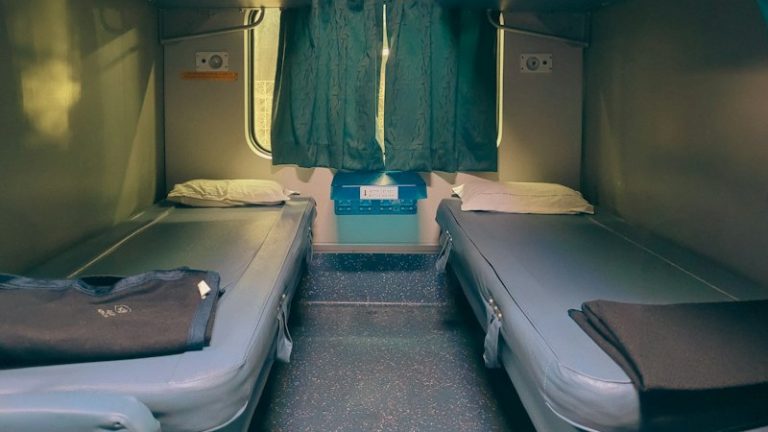
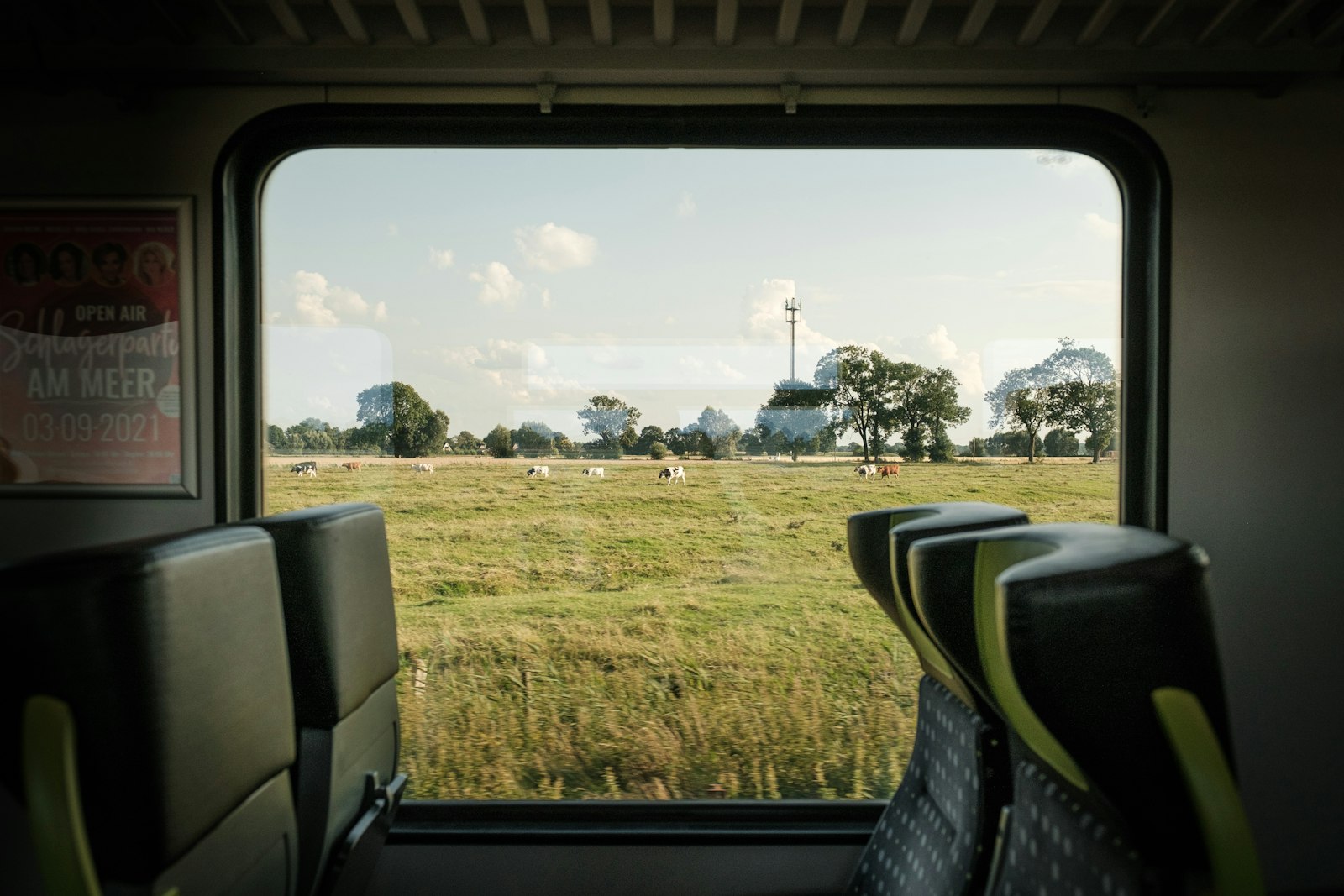
4Yet environmental motives alone do not fully explain the trend. For many passengers, the appeal lies in the experience itself. Unlike a flight, which involves early check-ins, security queues and often lengthy journeys to and from airports, a night train typically departs from and arrives in the centre of a city. Passengers can board in the evening, sleep through the journey and wake up at their destination, effectively gaining a day. There is also an undeniable romance to falling asleep in one country and waking in another, watching unfamiliar landscapes slide past the window over breakfast.
5The obstacles to expansion, however, are considerable. Sleeper trains are expensive to build and to operate: each carriage carries far fewer passengers than a daytime train, and staff must be paid for working through the night. Rolling stock is in short supply, and new carriages can take years to manufacture. Crossing borders adds further complexity, as operators must deal with different signalling systems, electrical standards and track access charges in each country. These charges, which are often levied regardless of the time of day, can make overnight services uncompetitive.
6Pricing presents a further difficulty. A bed in a sleeper compartment frequently costs more than a budget airline ticket for the same journey, which is often subsidised indirectly through the absence of tax on aviation fuel. Advocates argue that this creates an uneven playing field and have called on governments to support rail through investment, reduced track charges or taxes that reflect the environmental cost of flying. Several countries, including France and Austria, have taken steps in this direction, but policy across Europe remains fragmented.
7Whether the night train will reclaim a central place in European travel remains uncertain. Reliability has been a recurring complaint, with delays and last-minute cancellations frustrating passengers. Nevertheless, the revival so far suggests that a mode of transport once dismissed as obsolete may be well suited to the priorities of the twenty-first century. As one regular passenger put it, “It's not the fastest way to travel. But it might be the most civilised.”
Multiple choice
Choose the best answer.
1Why were many night trains withdrawn by the early 2000s?
Why: Cheap flights, high-speed rail and rising operating costs…
Paragraph 1 ↗“Cheap flights, high-speed rail and rising operating costs made overnight services appear an expensive anachronism, and one by one national rail operators abandoned them.”
2What did ÖBB bet on when relaunching routes?
Why: Betting that there was latent demand.
Paragraph 2 ↗“Austria's national railway, ÖBB, took over a number of routes that German operators had given up and relaunched them under the brand Nightjet, betting that there was latent demand for a more comfortable, lower-carbon…”
3Why are short-haul flights especially inefficient?
Why: A large share of their fuel is burned during take-off.
Paragraph 3 ↗“Aviation is one of the most carbon-intensive ways to travel per passenger-kilometre, and short-haul flights are particularly inefficient because a large share of their fuel is burned during take-off.”
4What practical advantage of night trains is mentioned?
Why: Departs from and arrives in the centre of a city… effectively gaining a day.
Paragraph 4 ↗“Unlike a flight, which involves early check-ins, security queues and often lengthy journeys to and from airports, a night train typically departs from and arrives in the centre of a city.”
5Why are track access charges a problem?
Why: Levied regardless of the time of day.
Paragraph 5 ↗“These charges, which are often levied regardless of the time of day, can make overnight services uncompetitive.”
6Why do advocates say there is an ‘uneven playing field’?
Why: Absence of tax on aviation fuel.
Paragraph 6 ↗“A bed in a sleeper compartment frequently costs more than a budget airline ticket for the same journey, which is often subsidised indirectly through the absence of tax on aviation fuel.”
7What does the passenger's quote suggest?
Why: Not the fastest… but the most civilised.
Paragraph 7 ↗“But it might be the most civilised.””
True or False
Decide if each statement is true or false according to the text.
8ÖBB took over some routes abandoned by German operators.
Why: Took over a number of routes that German operators had given up.
Paragraph 2 ↗“Austria's national railway, ÖBB, took over a number of routes that German operators had given up and relaunched them under the brand Nightjet, betting that there was latent demand for a more comfortable, lower-carbon…”
9Nightjet services are rarely full.
Why: Many services are now regularly fully booked.
Paragraph 2 ↗“The gamble appears to have paid off: many services are now regularly fully booked, and new connections have been added between cities such as Vienna, Paris, Brussels and Amsterdam.”
10‘Flygskam’ is a Swedish word.
Why: The Swedish concept of flygskam.
Paragraph 3 ↗“The Swedish concept of ‘flygskam’ – literally ‘flight shame’ – captured a shift in attitudes among travellers who wished to reduce their environmental impact without giving up international travel altogether.”
11Sleeper carriages carry more passengers than daytime carriages.
Why: Far fewer passengers.
Paragraph 5 ↗“Sleeper trains are expensive to build and to operate: each carriage carries far fewer passengers than a daytime train, and staff must be paid for working through the night.”
12New carriages can be built very quickly.
Why: Can take years to manufacture.
Paragraph 5 ↗“Rolling stock is in short supply, and new carriages can take years to manufacture.”
13European policy on night trains is fully unified.
Why: Policy across Europe remains fragmented.
Paragraph 6 ↗“Several countries, including France and Austria, have taken steps in this direction, but policy across Europe remains fragmented.”
Paragraph functions
What is the main function of each paragraph? There is one extra option.
14Paragraph 1
Why: Routes withdrawn by the early 2000s.
Paragraph 1 ↗“By the early 2000s, however, many of these routes had been quietly withdrawn.”
15Paragraph 2
Why: Nightjet and new routes.
Paragraph 2 ↗“Austria's national railway, ÖBB, took over a number of routes that German operators had given up and relaunched them under the brand Nightjet, betting that there was latent demand for a more comfortable, lower-carbon…”
16Paragraph 3
Why: Climate change and flight shame.
Paragraph 3 ↗“The most obvious driver of this revival is concern about climate change.”
17Paragraph 4
Why: Waking in another country.
Paragraph 4 ↗“There is also an undeniable romance to falling asleep in one country and waking in another, watching unfamiliar landscapes slide past the window over breakfast.”
18Paragraph 5
Why: Costs, rolling stock and borders.
Paragraph 5 ↗“Rolling stock is in short supply, and new carriages can take years to manufacture.”
19Paragraph 6
Why: Pricing and fuel tax.
Paragraph 6 ↗“A bed in a sleeper compartment frequently costs more than a budget airline ticket for the same journey, which is often subsidised indirectly through the absence of tax on aviation fuel.”
20Paragraph 7
Why: Uncertain but promising.
Paragraph 7 ↗“Whether the night train will reclaim a central place in European travel remains uncertain.”
Vocabulary in context
Find a word in the text that matches each meaning.
21something from an earlier time (para 1):
Why: An expensive anachronism.
Paragraph 1 ↗“Cheap flights, high-speed rail and rising operating costs made overnight services appear an expensive anachronism, and one by one national rail operators abandoned them.”
22existing but hidden (para 2):
Why: Latent demand.
Paragraph 2 ↗“Austria's national railway, ÖBB, took over a number of routes that German operators had given up and relaunched them under the brand Nightjet, betting that there was latent demand for a more comfortable, lower-carbon…”
23trains and carriages used on a railway (para 5): rolling
Why: Rolling stock is in short supply.
Paragraph 5 ↗“Rolling stock is in short supply, and new carriages can take years to manufacture.”
24officially charged (para 5):
Why: Charges… levied regardless of the time of day.
Paragraph 5 ↗“These charges, which are often levied regardless of the time of day, can make overnight services uncompetitive.”
25divided into separate parts (para 6):
Why: Policy remains fragmented.
Paragraph 6 ↗“Several countries, including France and Austria, have taken steps in this direction, but policy across Europe remains fragmented.”
26no longer useful (para 7):
Why: Dismissed as obsolete.
Paragraph 7 ↗“Nevertheless, the revival so far suggests that a mode of transport once dismissed as obsolete may be well suited to the priorities of the twenty-first century.”