Home › Reading › C1 Reading Tests › Why We Love Horror Films
Why We Love Horror Films – C1 English Reading Test
Key words and reading strategy
The text offers several explanations for one phenomenon – physiological, psychological, individual and cultural. Questions often ask you to match an idea to the explanation it belongs to.

Key terms
Why We Love Horror Films
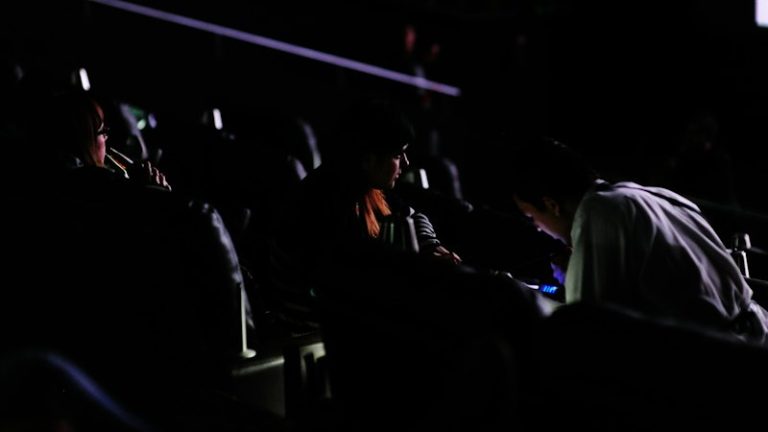
1Every year, millions of people pay to be frightened. They sit in darkened cinemas, hearts pounding, as a figure moves slowly towards an unsuspecting character; they cover their eyes, then peer through their fingers; they scream, and then, more often than not, they laugh. Horror is one of the most commercially reliable film genres, frequently producing large profits from modest budgets. Yet at first sight its appeal is puzzling. Fear is an unpleasant emotion that evolved to protect us from danger. Why would anyone voluntarily seek it out?
2One long-standing explanation is the theory of ‘excitation transfer’. Watching a horror film triggers the body's fight-or-flight response: heart rate and blood pressure rise, adrenaline is released and the senses sharpen. When the threat is resolved – the monster defeated, the heroine safe – this physiological arousal does not disappear immediately. Instead, it is transferred to the feeling of relief, which is experienced more intensely as a result. In other words, the greater the terror, the more powerful the pleasure when it ends.
3Crucially, this works only because we know we are safe. Psychologists describe horror as a form of ‘protective frame’: the audience experiences genuine fear, but within a context that they understand to be controlled. We can always look away, leave the room or remind ourselves that it is only a film. Without this sense of control, the same experience would be traumatic rather than enjoyable. This is also why many people find horror far more bearable when watching with friends, whose reactions provide both reassurance and entertainment.
4Some researchers have proposed that horror serves an adaptive function, allowing us to rehearse responses to danger in a safe environment. A study conducted during the early months of the COVID-19 pandemic found that fans of horror films, and particularly of films about epidemics, reported greater psychological resilience than non-fans. The authors suggested that repeated exposure to frightening scenarios on screen may help people regulate their emotions when real-life fears arise. The findings were preliminary and correlational, but they attracted considerable attention.
5Individual differences also matter. People vary considerably in what psychologists call ‘sensation seeking’ – the desire for novel, intense and sometimes risky experiences. High sensation seekers tend to enjoy horror films, roller coasters and extreme sports, while others find such experiences simply distressing. Research has identified different types of horror fans: ‘adrenaline junkies’ who crave the physical thrill, ‘white-knucklers’ who are deeply affected but value the sense of having endured something, and ‘dark copers’ who use horror to manage their own anxieties.
6Horror also has a cultural dimension. The genre has always reflected the fears of its time. The giant monsters of 1950s cinema were widely read as metaphors for nuclear anxiety; zombie films have been interpreted as commentaries on consumerism, epidemics and social collapse; and more recent horror has explored themes such as racism, grief and technology. By giving shape to vague collective fears, horror allows audiences to confront them indirectly – and, perhaps, to feel that they can be survived.
7None of this means that horror is for everyone. For some people, particularly those with experience of real trauma, frightening images can be genuinely harmful rather than cathartic. But for the many who return to the genre again and again, the attraction seems to lie in a peculiar combination: real fear, safely contained; physical thrill followed by relief; and the chance to look directly at what frightens us, knowing that the lights will eventually come back on.
Multiple choice
Choose the best answer.
1Why does the writer find the appeal of horror puzzling at first?
Why: Fear is an unpleasant emotion that evolved to protect us.
Paragraph 1 ↗“Fear is an unpleasant emotion that evolved to protect us from danger.”
2According to ‘excitation transfer’, why is relief so strong?
Why: Arousal… is transferred to the feeling of relief.
Paragraph 2 ↗“Instead, it is transferred to the feeling of relief, which is experienced more intensely as a result.”
3What is the ‘protective frame’?
Why: Within a context that they understand to be controlled.
Paragraph 3 ↗“Psychologists describe horror as a form of ‘protective frame’: the audience experiences genuine fear, but within a context that they understand to be controlled.”
4What did the pandemic study suggest?
Why: Reported greater psychological resilience.
Paragraph 4 ↗“A study conducted during the early months of the COVID-19 pandemic found that fans of horror films, and particularly of films about epidemics, reported greater psychological resilience than non-fans.”
5What are ‘dark copers’?
Why: Use horror to manage their own anxieties.
Paragraph 5 ↗“Research has identified different types of horror fans: ‘adrenaline junkies’ who crave the physical thrill, ‘white-knucklers’ who are deeply affected but value the sense of having endured something, and ‘dark copers’…”
6How have zombie films been interpreted?
Why: Commentaries on consumerism, epidemics and social collapse.
Paragraph 6 ↗“The giant monsters of 1950s cinema were widely read as metaphors for nuclear anxiety; zombie films have been interpreted as commentaries on consumerism, epidemics and social collapse; and more recent horror has…”
7What is the writer's view in the final paragraph?
Why: For some… genuinely harmful… for the many… the attraction…
Paragraph 7 ↗“For some people, particularly those with experience of real trauma, frightening images can be genuinely harmful rather than cathartic.”
True or False
Decide if each statement is true or false according to the text.
8Horror films often make large profits on small budgets.
Why: Large profits from modest budgets.
Paragraph 1 ↗“Horror is one of the most commercially reliable film genres, frequently producing large profits from modest budgets.”
9Watching horror with friends usually makes it harder to bear.
Why: Far more bearable when watching with friends.
Paragraph 3 ↗“This is also why many people find horror far more bearable when watching with friends, whose reactions provide both reassurance and entertainment.”
10The pandemic study proved that horror causes resilience.
Why: Preliminary and correlational.
Paragraph 4 ↗“The findings were preliminary and correlational, but they attracted considerable attention.”
11High sensation seekers often enjoy extreme sports.
Why: Horror films, roller coasters and extreme sports.
Paragraph 5 ↗“High sensation seekers tend to enjoy horror films, roller coasters and extreme sports, while others find such experiences simply distressing.”
12Giant monsters in 1950s films were linked to nuclear fears.
Why: Metaphors for nuclear anxiety.
Paragraph 6 ↗“The giant monsters of 1950s cinema were widely read as metaphors for nuclear anxiety; zombie films have been interpreted as commentaries on consumerism, epidemics and social collapse; and more recent horror has…”
13Horror can be harmful for people with real trauma.
Why: Can be genuinely harmful.
Paragraph 7 ↗“For some people, particularly those with experience of real trauma, frightening images can be genuinely harmful rather than cathartic.”
Paragraph functions
What is the main function of each paragraph? There is one extra option.
14Paragraph 1
Why: Why seek fear?
Paragraph 1 ↗“Why would anyone voluntarily seek it out?”
15Paragraph 2
Why: Excitation transfer.
Paragraph 2 ↗“One long-standing explanation is the theory of ‘excitation transfer’.”
16Paragraph 3
Why: Protective frame.
Paragraph 3 ↗“Psychologists describe horror as a form of ‘protective frame’: the audience experiences genuine fear, but within a context that they understand to be controlled.”
17Paragraph 4
Why: Adaptive function; pandemic study.
Paragraph 4 ↗“Some researchers have proposed that horror serves an adaptive function, allowing us to rehearse responses to danger in a safe environment.”
18Paragraph 5
Why: Sensation seeking; types of fans.
Paragraph 5 ↗“Research has identified different types of horror fans: ‘adrenaline junkies’ who crave the physical thrill, ‘white-knucklers’ who are deeply affected but value the sense of having endured something, and ‘dark copers’…”
19Paragraph 6
Why: Fears of their time.
Paragraph 6 ↗“The genre has always reflected the fears of its time.”
20Paragraph 7
Why: Not for everyone, but…
Paragraph 7 ↗“None of this means that horror is for everyone.”
Vocabulary in context
Find a word in the text that matches each meaning.
21by choice (para 1):
Why: Voluntarily seek it out.
Paragraph 1 ↗“Why would anyone voluntarily seek it out?”
22extremely upsetting and harmful (para 3):
Why: Traumatic rather than enjoyable.
Paragraph 3 ↗“Without this sense of control, the same experience would be traumatic rather than enjoyable.”
23the ability to recover from difficulty (para 4):
Why: Psychological resilience.
Paragraph 4 ↗“A study conducted during the early months of the COVID-19 pandemic found that fans of horror films, and particularly of films about epidemics, reported greater psychological resilience than non-fans.”
24early, not final (para 4):
Why: The findings were preliminary.
Paragraph 4 ↗“The findings were preliminary and correlational, but they attracted considerable attention.”
25want very strongly (para 5):
Why: Crave the physical thrill.
Paragraph 5 ↗“Research has identified different types of horror fans: ‘adrenaline junkies’ who crave the physical thrill, ‘white-knucklers’ who are deeply affected but value the sense of having endured something, and ‘dark copers’…”
26releasing emotions in a healthy way (para 7):
Why: Rather than cathartic.
Paragraph 7 ↗“For some people, particularly those with experience of real trauma, frightening images can be genuinely harmful rather than cathartic.”