Home › Reading › B2 Reading Tests › Why We Procrastinate
Why We Procrastinate – B2 English Reading Test

Key words and reading strategy
The text moves from a common belief (procrastination = laziness) to a new explanation (emotions) and then to solutions. Many questions check whether you understand this change of perspective.
Key terms
Why We Procrastinate
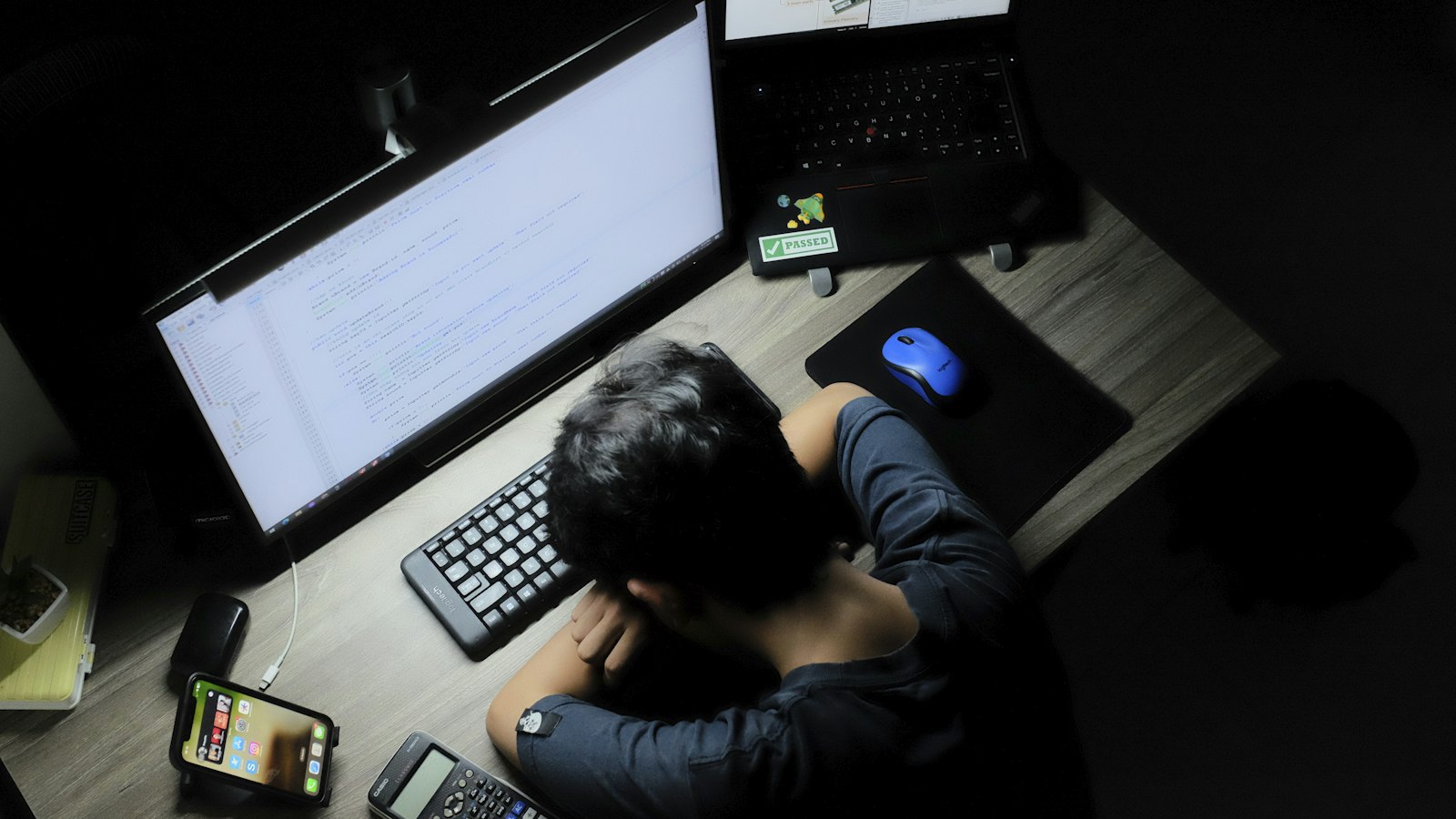
1You have an important report due on Friday. You sit down on Monday morning with every intention of starting it. Two hours later you have answered fifteen emails, reorganised your desktop, read three articles about a celebrity you don't particularly care about and made several cups of coffee. The report remains untouched. If this sounds familiar, you are far from alone: studies suggest that around a fifth of adults are chronic procrastinators, and the vast majority of students admit to delaying important work.
2For a long time, procrastination was viewed as a problem of time management or simple laziness. The solution, it was assumed, was better planning: diaries, to-do lists and strict schedules. Yet many procrastinators are highly organised in other areas of their lives and work extremely hard once they finally begin. This has led psychologists to look for a different explanation.
3According to a growing body of research, procrastination is fundamentally an emotional problem rather than a practical one. We put off tasks not because we don't know how to manage our time, but because the task itself triggers unpleasant feelings – boredom, anxiety, frustration, self-doubt or fear of failure. Delaying the task brings immediate relief from these emotions. Unfortunately, the relief is temporary, and the feelings usually return stronger, accompanied by guilt and stress as the deadline approaches.
4Researchers describe this as a conflict between our ‘present self’ and our ‘future self’. Brain imaging studies have shown that when people think about themselves in the future, the pattern of activity can resemble that of thinking about a stranger. In other words, we tend to treat our future self as someone else – someone who will surely have more time, energy and motivation to deal with the problem. Our present self, meanwhile, chooses short-term comfort.
5Perfectionism can make the situation worse. People who set extremely high standards for themselves may avoid starting a task because they fear it will not be good enough. Paradoxically, by leaving it until the last minute, they guarantee that the result will be rushed – but they also gain an excuse: the work wasn't bad because they lacked ability, it was bad because they didn't have enough time.
6If procrastination is driven by emotion, then effective strategies need to address feelings rather than just schedules. One widely recommended technique is to make the first step so small that it feels almost ridiculous – opening the document and writing a single sentence, for instance. Once started, people often find the task less unpleasant than they imagined. Others recommend removing temptations, such as putting the phone in another room, or committing publicly to a deadline.
7Perhaps surprisingly, one of the most effective approaches is self-compassion. In one study, students who forgave themselves for procrastinating before an exam were less likely to procrastinate before the next one. Criticising yourself harshly, by contrast, only adds to the negative emotions that caused the delay in the first place. The lesson, researchers suggest, is that beating procrastination is less about forcing ourselves to work harder and more about understanding – and being kinder to – the mind that keeps putting things off.
Multiple choice
Choose the correct answer.
1What does the opening example show?
Why: The report remains untouched.
Paragraph 1 ↗“The report remains untouched.”
2Why did psychologists look for a new explanation?
Why: Many procrastinators are highly organised in other areas.
Paragraph 2 ↗“Yet many procrastinators are highly organised in other areas of their lives and work extremely hard once they finally begin.”
3According to research, what is procrastination mainly about?
Why: Fundamentally an emotional problem.
Paragraph 3 ↗“According to a growing body of research, procrastination is fundamentally an emotional problem rather than a practical one.”
4What does the ‘future self’ research suggest?
Why: We tend to treat our future self as someone else.
Paragraph 4 ↗“In other words, we tend to treat our future self as someone else – someone who will surely have more time, energy and motivation to deal with the problem.”
5How can last-minute work help perfectionists?
Why: They also gain an excuse.
Paragraph 5 ↗“Paradoxically, by leaving it until the last minute, they guarantee that the result will be rushed – but they also gain an excuse: the work wasn't bad because they lacked ability, it was bad because they didn't have…”
6What is the idea behind making the first step tiny?
Why: Once started, people often find the task less unpleasant.
Paragraph 6 ↗“Once started, people often find the task less unpleasant than they imagined.”
7What did the study on self-compassion find?
Why: Less likely to procrastinate before the next one.
Paragraph 7 ↗“In one study, students who forgave themselves for procrastinating before an exam were less likely to procrastinate before the next one.”
True or False
Decide if each statement is true or false according to the text.
8About a fifth of adults are chronic procrastinators.
Why: Around a fifth of adults.
Paragraph 1 ↗“If this sounds familiar, you are far from alone: studies suggest that around a fifth of adults are chronic procrastinators, and the vast majority of students admit to delaying important work.”
9Procrastinators usually work slowly once they start.
Why: Work extremely hard once they finally begin.
Paragraph 2 ↗“Yet many procrastinators are highly organised in other areas of their lives and work extremely hard once they finally begin.”
10Delaying a task gives lasting relief.
Why: The relief is temporary.
Paragraph 3 ↗“Unfortunately, the relief is temporary, and the feelings usually return stronger, accompanied by guilt and stress as the deadline approaches.”
11Perfectionists may avoid starting because they fear the result won't be good enough.
Why: They fear it will not be good enough.
Paragraph 5 ↗“People who set extremely high standards for themselves may avoid starting a task because they fear it will not be good enough.”
12Keeping your phone nearby is recommended.
Why: Putting the phone in another room.
Paragraph 6 ↗“Others recommend removing temptations, such as putting the phone in another room, or committing publicly to a deadline.”
13Harsh self-criticism helps reduce procrastination.
Why: Only adds to the negative emotions.
Paragraph 7 ↗“Criticising yourself harshly, by contrast, only adds to the negative emotions that caused the delay in the first place.”
Match the headings
Choose the best heading for each paragraph. There is one extra heading.
14Paragraph 1
Why: The report remains untouched.
Paragraph 1 ↗“The report remains untouched.”
15Paragraph 2
Why: Not time management or laziness.
Paragraph 2 ↗“For a long time, procrastination was viewed as a problem of time management or simple laziness.”
16Paragraph 3
Why: An emotional problem.
Paragraph 3 ↗“According to a growing body of research, procrastination is fundamentally an emotional problem rather than a practical one.”
17Paragraph 4
Why: Present self vs future self.
Paragraph 4 ↗“Researchers describe this as a conflict between our ‘present self’ and our ‘future self’.”
18Paragraph 5
Why: Perfectionism.
Paragraph 5 ↗“Perfectionism can make the situation worse.”
19Paragraph 6
Why: Tiny first steps; remove temptations.
Paragraph 6 ↗“One widely recommended technique is to make the first step so small that it feels almost ridiculous – opening the document and writing a single sentence, for instance.”
20Paragraph 7
Why: Self-compassion.
Paragraph 7 ↗“Perhaps surprisingly, one of the most effective approaches is self-compassion.”
Vocabulary in context
Find a word in the text that matches each meaning.
21happening often or for a long time (para 1):
Why: Chronic procrastinators.
Paragraph 1 ↗“If this sounds familiar, you are far from alone: studies suggest that around a fifth of adults are chronic procrastinators, and the vast majority of students admit to delaying important work.”
22cause something to start (para 3):
Why: The task triggers unpleasant feelings.
Paragraph 3 ↗“We put off tasks not because we don't know how to manage our time, but because the task itself triggers unpleasant feelings – boredom, anxiety, frustration, self-doubt or fear of failure.”
23lasting only a short time (para 3):
Why: The relief is temporary.
Paragraph 3 ↗“Unfortunately, the relief is temporary, and the feelings usually return stronger, accompanied by guilt and stress as the deadline approaches.”
24the time by which work must be finished (para 3):
Why: As the deadline approaches.
Paragraph 3 ↗“Unfortunately, the relief is temporary, and the feelings usually return stronger, accompanied by guilt and stress as the deadline approaches.”
25be similar to (para 4):
Why: Can resemble that of thinking about a stranger.
Paragraph 4 ↗“Brain imaging studies have shown that when people think about themselves in the future, the pattern of activity can resemble that of thinking about a stranger.”
26things that tempt you (para 6):
Why: Removing temptations.
Paragraph 6 ↗“Others recommend removing temptations, such as putting the phone in another room, or committing publicly to a deadline.”