Home › Reading › B1 Reading Tests › School Uniforms: For and Against
School Uniforms: For and Against – B1 English Reading Test
Key words and reading strategy
This is a for-and-against article. The writer presents arguments on both sides and then a possible compromise. Keep track of which paragraphs support uniforms and which criticise them.
Key terms
School Uniforms: For and Against
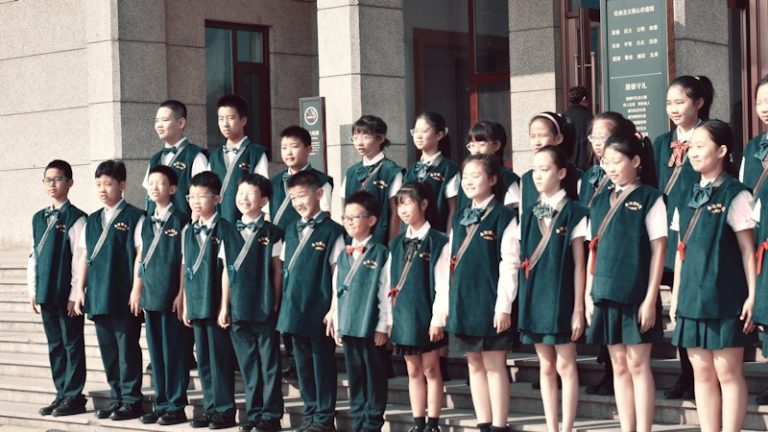
1In Britain, Japan and Australia, most children wear a school uniform from the age of five until they leave school. In much of continental Europe and the United States, on the other hand, students usually wear whatever they like. The question of which system is better comes up again and again in newspapers, in staff rooms and around family dinner tables – and the arguments on both sides are surprisingly strong.
2Supporters of uniforms often begin with equality. When everyone wears the same clothes, they argue, it is harder to see which students come from rich families and which come from poor ones. Children don't feel pressure to wear expensive brands, and there is less bullying about appearance. “In my old school, people were judged by their trainers,” says Tom, sixteen. “Here nobody cares, because we all look the same.”
3A second argument is about identity and behaviour. Many head teachers believe that a uniform creates a sense of belonging and pride in the school. It also helps students separate school from free time: putting on a uniform in the morning is like putting on work clothes, and it can help them focus. Uniforms make it easier for teachers to recognise their students on trips, too, which can be important for safety.
4Parents often mention a practical advantage: no arguments in the morning about what to wear. Some also say uniforms save money in the long run, because children need fewer everyday clothes. However, this point is controversial. In some schools, uniforms must be bought from one specific shop and include blazers, ties and sports kits with the school logo. A full set can cost hundreds of pounds, which is a serious problem for families on low incomes.
5Critics also argue that uniforms limit young people's freedom of expression. The teenage years are an important time for discovering who you are, and clothes are one of the ways people show their personality. Forcing everyone to dress the same, they say, sends the message that being different is a problem. Some students also complain that uniforms are uncomfortable or impractical, especially in hot weather.
6Interestingly, the research does not give a clear answer. Some studies have found small improvements in behaviour or attendance after schools introduced uniforms; others have found no effect at all. Several experts suggest that what really matters is not the clothes themselves but the general atmosphere and rules of a school.
7Perhaps for this reason, many schools now look for a middle way. Some have a simple, cheap uniform – a polo shirt in the school colour, for example – that can be bought in any supermarket. Others have a dress code instead: students can choose their clothes, but there are basic rules about what is not acceptable. As one head teacher put it, “The goal isn't to make everyone identical. It's to make everyone ready to learn.”
Multiple choice
Choose the correct answer.
1What does Tom's comment show?
Why: Here nobody cares, because we all look the same.
Paragraph 2 ↗““Here nobody cares, because we all look the same.””
2Why do some head teachers like uniforms?
Why: A sense of belonging and pride.
Paragraph 3 ↗“Many head teachers believe that a uniform creates a sense of belonging and pride in the school.”
3Why is the money argument ‘controversial’?
Why: A full set can cost hundreds of pounds.
Paragraph 4 ↗“A full set can cost hundreds of pounds, which is a serious problem for families on low incomes.”
4What is the critics' main point about teenagers?
Why: Clothes are one of the ways people show their personality.
Paragraph 5 ↗“The teenage years are an important time for discovering who you are, and clothes are one of the ways people show their personality.”
5What does the research show?
Why: The research does not give a clear answer.
Paragraph 6 ↗“Interestingly, the research does not give a clear answer.”
6What is the ‘middle way’ some schools choose?
Why: A simple, cheap uniform… a dress code.
Paragraph 7 ↗“Some have a simple, cheap uniform – a polo shirt in the school colour, for example – that can be bought in any supermarket.”
True or False
Decide if each statement is true or false.
7In Japan most children wear a school uniform.
Why: In Britain, Japan and Australia…
Paragraph 1 ↗“In Britain, Japan and Australia, most children wear a school uniform from the age of five until they leave school.”
8Uniforms can help teachers recognise students on trips.
Why: Easier for teachers to recognise their students on trips.
Paragraph 3 ↗“Uniforms make it easier for teachers to recognise their students on trips, too, which can be important for safety.”
9All parents agree that uniforms save money.
Why: This point is controversial.
Paragraph 4 ↗“However, this point is controversial.”
10Some students find uniforms uncomfortable in hot weather.
Why: Uncomfortable or impractical, especially in hot weather.
Paragraph 5 ↗“Some students also complain that uniforms are uncomfortable or impractical, especially in hot weather.”
11Experts say clothes are the most important factor in a school.
Why: What really matters is not the clothes themselves.
Paragraph 6 ↗“Several experts suggest that what really matters is not the clothes themselves but the general atmosphere and rules of a school.”
12With a dress code, students can choose their own clothes.
Why: Students can choose their clothes, but there are basic rules.
Paragraph 7 ↗“Others have a dress code instead: students can choose their clothes, but there are basic rules about what is not acceptable.”
Match the headings
Choose the best heading for each paragraph. There is one extra heading.
13Paragraph 1
Why: Britain vs continental Europe.
Paragraph 1 ↗“In much of continental Europe and the United States, on the other hand, students usually wear whatever they like.”
14Paragraph 2
Why: Equality and less bullying.
Paragraph 2 ↗“Children don't feel pressure to wear expensive brands, and there is less bullying about appearance.”
15Paragraph 3
Why: Identity and behaviour.
Paragraph 3 ↗“A second argument is about identity and behaviour.”
16Paragraph 4
Why: A full set can cost hundreds of pounds.
Paragraph 4 ↗“A full set can cost hundreds of pounds, which is a serious problem for families on low incomes.”
17Paragraph 5
Why: Freedom of expression and personality.
Paragraph 5 ↗“Critics also argue that uniforms limit young people's freedom of expression.”
18Paragraph 6
Why: The research does not give a clear answer.
Paragraph 6 ↗“Interestingly, the research does not give a clear answer.”
19Paragraph 7
Why: A middle way.
Paragraph 7 ↗“Perhaps for this reason, many schools now look for a middle way.”
Vocabulary from the text
Find the word in the text that matches each meaning.
20the name of a product from a company (para 2):
Why: Expensive brands.
Paragraph 2 ↗“Children don't feel pressure to wear expensive brands, and there is less bullying about appearance.”
21hurting or frightening weaker people (para 2):
Why: Less bullying.
Paragraph 2 ↗“Children don't feel pressure to wear expensive brands, and there is less bullying about appearance.”
22causing a lot of disagreement (para 4):
Why: This point is controversial.
Paragraph 4 ↗“However, this point is controversial.”
23the money a family earns (para 4):
Why: Families on low incomes.
Paragraph 4 ↗“A full set can cost hundreds of pounds, which is a serious problem for families on low incomes.”
24how often students go to school (para 6):
Why: Improvements in attendance.
Paragraph 6 ↗“Some studies have found small improvements in behaviour or attendance after schools introduced uniforms; others have found no effect at all.”
25rules about acceptable clothes (para 7): dress
Why: A dress code.
Paragraph 7 ↗“Others have a dress code instead: students can choose their clothes, but there are basic rules about what is not acceptable.”