Home › Reading › B1 Reading Tests › Travelling Alone
Travelling Alone – B1 English Reading Test
Key words and reading strategy
This article balances advantages and challenges. When you answer questions, decide whether the paragraph is positive, negative or giving advice – it will help you choose the right option.
Key terms
Travelling Alone
1When Maya Chen told her friends she was going to spend a month travelling around South America on her own, most of them were worried. “Won't you be lonely?” “Is it safe?” “What will you do in the evenings?” Maya, then twenty-six, admits she had the same questions. “I'd always travelled with my family or with friends,” she says. “But that year nobody could come with me, and I decided I didn't want to wait any longer.”
2Maya is part of a growing trend. Travel companies report that more and more people – young and old, men and women – are choosing to explore the world alone. Some, like Maya, simply can't find anyone with the same holiday dates or budget. Others prefer the freedom of being able to do exactly what they want, when they want, without having to compromise.
3That freedom is the thing solo travellers mention most often. “If I wanted to spend a whole day in a museum, I could,” Maya says. “If I liked a town, I stayed longer. If I didn't, I left the next morning. Nobody complained.” Travelling alone also forces you to make all your own decisions, from finding a place to sleep to reading a bus timetable in a foreign language. Many people say they come home feeling more confident and independent.
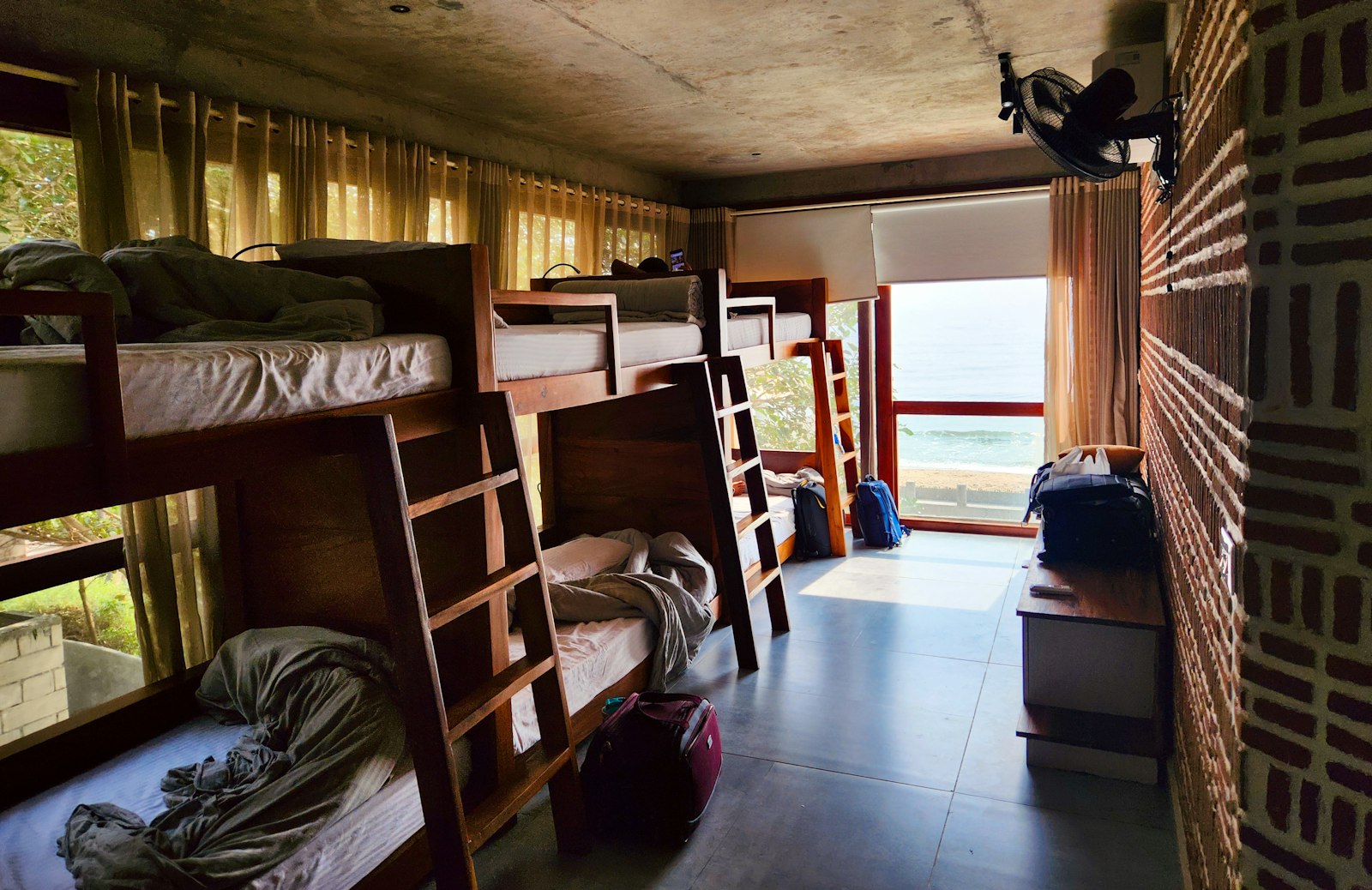
4Surprisingly, many solo travellers also say they meet more people than when they travel in groups. When you are with friends, it's easy to stay in your own little bubble. On your own, you are more likely to start a conversation with the person next to you on a train or join a group tour for the day. Maya stayed mostly in hostels, where she shared kitchens and rooms with travellers from all over the world. “I had dinner with someone new almost every night,” she laughs.
5Of course, there are challenges. Loneliness is real, especially in the evenings or when something goes wrong. In Bolivia, Maya got food poisoning and spent two days in bed in a small hotel room. “That was the moment I really wished someone was with me,” she admits. Solo travel can also be more expensive, because you can't share the cost of a room or a taxi.
6Safety is another concern, particularly for women. Experienced travellers recommend some basic precautions: research your destination carefully, tell someone at home where you are, keep copies of important documents and trust your instincts if a situation feels wrong. Arriving in a new place during daylight hours is also a good idea.
7Would Maya do it again? “Absolutely,” she says. “I learned more about myself in that month than in years at home. I realised I'm much more capable than I thought.” Since then she has travelled alone to Vietnam and Morocco. Her advice to first-timers is to start small. “Try a weekend in a city in your own country first. If you enjoy your own company, you'll be fine.”
Multiple choice
Choose the correct answer.
1Why did Maya decide to travel alone?
Why: Nobody could come with me, and I decided I didn't want to wait.
Paragraph 1 ↗““But that year nobody could come with me, and I decided I didn't want to wait any longer.””
2What is the advantage solo travellers mention most?
Why: That freedom is the thing solo travellers mention most often.
Paragraph 3 ↗“That freedom is the thing solo travellers mention most often.”
3Why do solo travellers often meet more people?
Why: Easy to stay in your own little bubble… On your own…
Paragraph 4 ↗“When you are with friends, it's easy to stay in your own little bubble.”
4When did Maya most wish she had company?
Why: Food poisoning… That was the moment I really wished someone was with me.
Paragraph 5 ↗““That was the moment I really wished someone was with me,””
5Why can travelling alone cost more?
Why: You can't share the cost of a room or a taxi.
Paragraph 5 ↗“Solo travel can also be more expensive, because you can't share the cost of a room or a taxi.”
6Which precaution is NOT mentioned?
Why: Arriving in daylight is mentioned, not ‘never going out at night’.
Paragraph 6 ↗“Arriving in a new place during daylight hours is also a good idea.”
7What does Maya recommend to beginners?
Why: Try a weekend in a city in your own country first.
Paragraph 7 ↗““Try a weekend in a city in your own country first.”
True or False
Decide if each statement is true or false.
8Maya's friends were all excited for her.
Why: Most of them were worried.
Paragraph 1 ↗“When Maya Chen told her friends she was going to spend a month travelling around South America on her own, most of them were worried.”
9Only young people are choosing to travel alone.
Why: Young and old, men and women.
Paragraph 2 ↗“Travel companies report that more and more people – young and old, men and women – are choosing to explore the world alone.”
10Maya sometimes left a town after one night.
Why: If I didn't, I left the next morning.
Paragraph 3 ↗“If I didn't, I left the next morning.”
11Maya usually ate alone in the evenings.
Why: Dinner with someone new almost every night.
Paragraph 4 ↗““I had dinner with someone new almost every night,””
12Maya got ill in Bolivia.
Why: In Bolivia, Maya got food poisoning.
Paragraph 5 ↗“In Bolivia, Maya got food poisoning and spent two days in bed in a small hotel room.”
13Maya has travelled alone again since that trip.
Why: Vietnam and Morocco.
Paragraph 7 ↗“Since then she has travelled alone to Vietnam and Morocco.”
Match the headings
Choose the best heading for each paragraph. There is one extra heading.
14Paragraph 1
Why: Friends were worried.
Paragraph 1 ↗“When Maya Chen told her friends she was going to spend a month travelling around South America on her own, most of them were worried.”
15Paragraph 2
Why: A growing trend.
Paragraph 2 ↗“Maya is part of a growing trend.”
16Paragraph 3
Why: Freedom to do what you want.
Paragraph 3 ↗“Travelling alone also forces you to make all your own decisions, from finding a place to sleep to reading a bus timetable in a foreign language.”
17Paragraph 4
Why: Meeting more people.
Paragraph 4 ↗“Surprisingly, many solo travellers also say they meet more people than when they travel in groups.”
18Paragraph 5
Why: Loneliness and illness.
Paragraph 5 ↗“Loneliness is real, especially in the evenings or when something goes wrong.”
19Paragraph 6
Why: Basic precautions.
Paragraph 6 ↗“Experienced travellers recommend some basic precautions: research your destination carefully, tell someone at home where you are, keep copies of important documents and trust your instincts if a situation feels wrong.”
20Paragraph 7
Why: Absolutely.
Paragraph 7 ↗““Absolutely,””
Vocabulary from the text
Find the word in the text that matches each meaning.
21the amount of money you can spend (para 2):
Why: The same holiday dates or budget.
Paragraph 2 ↗“Some, like Maya, simply can't find anyone with the same holiday dates or budget.”
22able to do things without help (para 3):
Why: More confident and independent.
Paragraph 3 ↗“Many people say they come home feeling more confident and independent.”
23a cheap place to stay with shared rooms (para 4):
Why: She stayed mostly in hostels.
Paragraph 4 ↗“Maya stayed mostly in hostels, where she shared kitchens and rooms with travellers from all over the world.”
24something you do to avoid danger (para 6):
Why: Basic precautions.
Paragraph 6 ↗“Experienced travellers recommend some basic precautions: research your destination carefully, tell someone at home where you are, keep copies of important documents and trust your instincts if a situation feels wrong.”
25the place you are travelling to (para 6):
Why: Research your destination.
Paragraph 6 ↗“Experienced travellers recommend some basic precautions: research your destination carefully, tell someone at home where you are, keep copies of important documents and trust your instincts if a situation feels wrong.”
26a natural feeling about what to do (para 6):
Why: Trust your instincts.
Paragraph 6 ↗“Experienced travellers recommend some basic precautions: research your destination carefully, tell someone at home where you are, keep copies of important documents and trust your instincts if a situation feels wrong.”