Home › Reading › B1 Reading Tests › A Village Without Rubbish
A Village Without Rubbish – B1 English Reading Test
Key words and reading strategy
First, skim the text to understand the main idea of each paragraph. Then scan for details. In multiple-choice questions, the correct answer usually paraphrases the text.
Key terms
A Village Without Rubbish
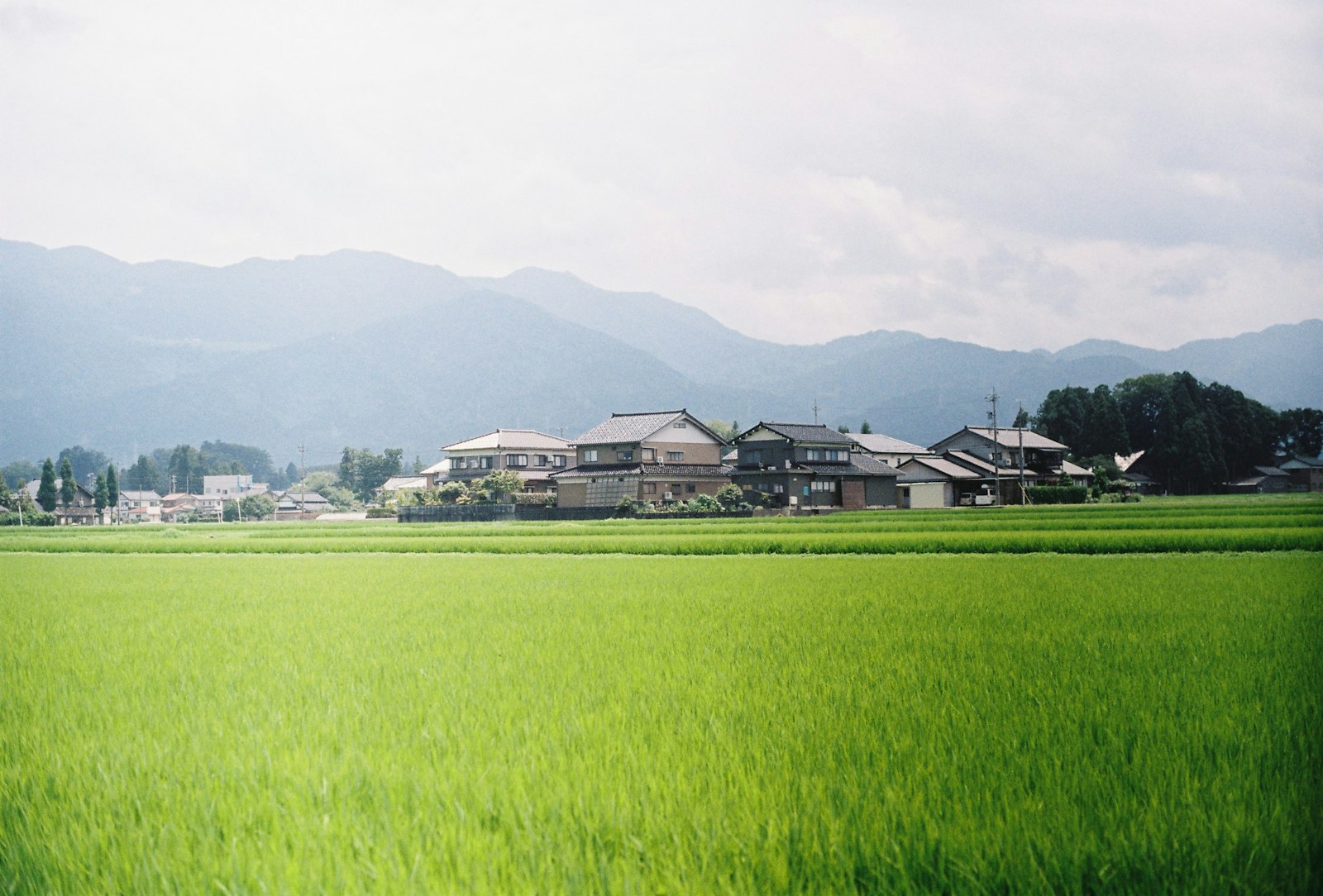
1In the green mountains of southern Japan lies Kamikatsu, a village of about 1,500 people. At first sight it looks like many other rural communities: old wooden houses, rice fields and narrow roads. But Kamikatsu is famous around the world for one reason. It has set itself the goal of producing no rubbish at all – and it is closer to achieving it than almost anywhere else on Earth.
2The village's journey began in the 1990s with a problem. Like many small towns, Kamikatsu burned its waste in an open fire. When the government introduced stricter rules on air pollution, the village could no longer do this, but it also couldn't afford to build a modern incinerator or to transport its rubbish to a city far away. The local council had to find another solution.
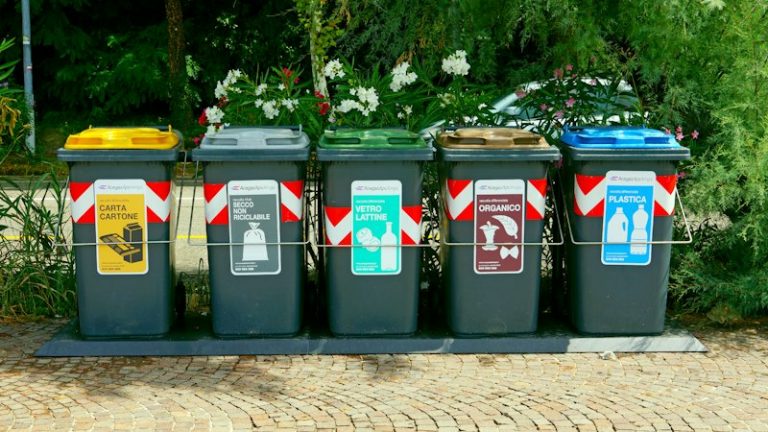
3In 2003 it made a bold decision: it declared that it would become the first ‘zero waste’ community in Japan. There are no rubbish collections in Kamikatsu. Instead, residents wash their waste and take it themselves to a central recycling centre, where they sort it into forty-five different categories. Paper is separated into newspapers, magazines, cardboard and milk cartons; plastic bottles must have their lids and labels removed; even old chopsticks have their own box.
4Not surprisingly, this was not popular at first. Many older residents complained that the system was too complicated and took too much time. Some found it hard to carry heavy bags to the centre. The council organised meetings in every part of the village to explain the reasons, and volunteers helped people who couldn't travel. Slowly, attitudes changed. Today about eighty per cent of the village's waste is recycled, compared with around twenty per cent in the rest of Japan.
5The project has also brought unexpected benefits. Next to the recycling centre there is a ‘kuru-kuru’ shop, where people leave clothes, toys and furniture they no longer need, and anyone can take them for free. A group of local women turns old kimonos into bags and teddy bears, which are sold to tourists. The centre has even become a tourist attraction itself, with a small hotel built entirely from recycled materials.
6However, Kamikatsu has not yet reached its goal. Some items, such as certain plastics and nappies, still cannot be recycled and have to be burned elsewhere. Village leaders say that the real solution is not better recycling but changing what companies produce. “We can sort everything perfectly,” one official explains, “but if products are designed to be thrown away, there will always be waste.”
7Could other places follow Kamikatsu's example? Critics point out that a tiny village is very different from a city of millions. But supporters argue that its main lesson is not about bins or categories. It is about people taking responsibility for what they use – and realising that ‘throwing something away’ simply means sending it somewhere else.
Multiple choice
Choose the correct answer.
1What is Kamikatsu famous for?
Why: The goal of producing no rubbish at all.
Paragraph 1 ↗“It has set itself the goal of producing no rubbish at all – and it is closer to achieving it than almost anywhere else on Earth.”
2Why did the village need a new solution in the 1990s?
Why: Stricter rules on air pollution… could no longer do this.
Paragraph 2 ↗“When the government introduced stricter rules on air pollution, the village could no longer do this, but it also couldn't afford to build a modern incinerator or to transport its rubbish to a city far away.”
3What happens to rubbish in Kamikatsu?
Why: Residents wash their waste and take it themselves… sort it.
Paragraph 3 ↗“Instead, residents wash their waste and take it themselves to a central recycling centre, where they sort it into forty-five different categories.”
4How did the council deal with complaints?
Why: Meetings… volunteers helped.
Paragraph 4 ↗“The council organised meetings in every part of the village to explain the reasons, and volunteers helped people who couldn't travel.”
5What is the ‘kuru-kuru’ shop?
Why: Anyone can take them for free.
Paragraph 5 ↗“Next to the recycling centre there is a ‘kuru-kuru’ shop, where people leave clothes, toys and furniture they no longer need, and anyone can take them for free.”
6According to village leaders, what is the real solution?
Why: Not better recycling but changing what companies produce.
Paragraph 6 ↗“Village leaders say that the real solution is not better recycling but changing what companies produce.”
7What do supporters say is Kamikatsu's main lesson?
Why: People taking responsibility for what they use.
Paragraph 7 ↗“It is about people taking responsibility for what they use – and realising that ‘throwing something away’ simply means sending it somewhere else.”
True or False
Decide if each statement is true or false.
8Kamikatsu has about fifteen thousand inhabitants.
Why: About 1,500 people.
Paragraph 1 ↗“In the green mountains of southern Japan lies Kamikatsu, a village of about 1,500 people.”
9The zero waste decision was made in 2003.
Why: In 2003 it made a bold decision.
Paragraph 3 ↗“In 2003 it made a bold decision: it declared that it would become the first ‘zero waste’ community in Japan.”
10Old chopsticks are recycled separately.
Why: Even old chopsticks have their own box.
Paragraph 3 ↗“Paper is separated into newspapers, magazines, cardboard and milk cartons; plastic bottles must have their lids and labels removed; even old chopsticks have their own box.”
11The system was popular with everyone from the start.
Why: This was not popular at first.
Paragraph 4 ↗“Not surprisingly, this was not popular at first.”
12The hotel is built from recycled materials.
Why: Built entirely from recycled materials.
Paragraph 5 ↗“The centre has even become a tourist attraction itself, with a small hotel built entirely from recycled materials.”
13Kamikatsu now recycles absolutely everything.
Why: Has not yet reached its goal.
Paragraph 6 ↗“However, Kamikatsu has not yet reached its goal.”
Match the headings
Choose the best heading for each paragraph. There is one extra heading.
14Paragraph 1
Why: It looks ordinary but has a special goal.
Paragraph 1 ↗“It has set itself the goal of producing no rubbish at all – and it is closer to achieving it than almost anywhere else on Earth.”
15Paragraph 2
Why: It could no longer burn its waste.
Paragraph 2 ↗“When the government introduced stricter rules on air pollution, the village could no longer do this, but it also couldn't afford to build a modern incinerator or to transport its rubbish to a city far away.”
16Paragraph 3
Why: Sorting into 45 categories.
Paragraph 3 ↗“Instead, residents wash their waste and take it themselves to a central recycling centre, where they sort it into forty-five different categories.”
17Paragraph 4
Why: Complaints, meetings and changed attitudes.
Paragraph 4 ↗“The council organised meetings in every part of the village to explain the reasons, and volunteers helped people who couldn't travel.”
18Paragraph 5
Why: Unexpected benefits.
Paragraph 5 ↗“The project has also brought unexpected benefits.”
19Paragraph 6
Why: It has not yet reached its goal.
Paragraph 6 ↗“However, Kamikatsu has not yet reached its goal.”
20Paragraph 7
Why: Could others follow?
Paragraph 7 ↗“Could other places follow Kamikatsu's example?”
Vocabulary from the text
Find the word in the text that matches each meaning.
21connected with the countryside (para 1):
Why: Rural communities.
Paragraph 1 ↗“At first sight it looks like many other rural communities: old wooden houses, rice fields and narrow roads.”
22a machine that burns rubbish (para 2):
Why: A modern incinerator.
Paragraph 2 ↗“When the government introduced stricter rules on air pollution, the village could no longer do this, but it also couldn't afford to build a modern incinerator or to transport its rubbish to a city far away.”
23brave and willing to take risks (para 3):
Why: A bold decision.
Paragraph 3 ↗“In 2003 it made a bold decision: it declared that it would become the first ‘zero waste’ community in Japan.”
24people who live in a place (para 3):
Why: Residents wash their waste.
Paragraph 3 ↗“Instead, residents wash their waste and take it themselves to a central recycling centre, where they sort it into forty-five different categories.”
25the way you think about something (para 4):
Why: Attitudes changed.
Paragraph 4 ↗“Slowly, attitudes changed.”
26About per cent of the waste is recycled (para 4).
Why: About eighty per cent.
Paragraph 4 ↗“Today about eighty per cent of the village's waste is recycled, compared with around twenty per cent in the rest of Japan.”