Home › Reading › A2 Reading Tests › The Bicycle City
The Bicycle City – A2 English Reading Test
Key words and reading strategy
Read the text once for the general idea. Then read each question, find the right paragraph and read it carefully. The words in the question are often different from the words in the text.
Key terms
The Bicycle City
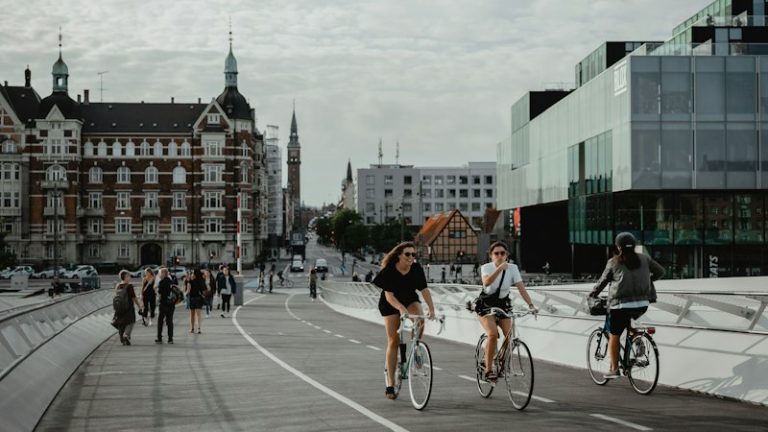
1In most cities in the world, the car is king. But in Copenhagen, the capital of Denmark, things are different. Today more people go to work or school by bike than by car, and almost every family has at least one bicycle. Visitors are often surprised when they see hundreds of cyclists waiting at traffic lights in the morning, like a small army.
2It wasn't always like this. In the 1960s and 1970s, Copenhagen's streets were full of cars, just like other European cities. Then, in 1973, there was an oil crisis and petrol became very expensive. At the same time, many people were worried about traffic accidents and dirty air. The city decided to change direction and started building safe places for bikes.
3Today the city has more than three hundred and eighty kilometres of cycle lanes. They are wide and well lit, and in many places they are separated from the cars by a small kerb. There are even special ‘green waves’ on some roads: if you cycle at about twenty kilometres an hour, all the traffic lights turn green as you arrive.
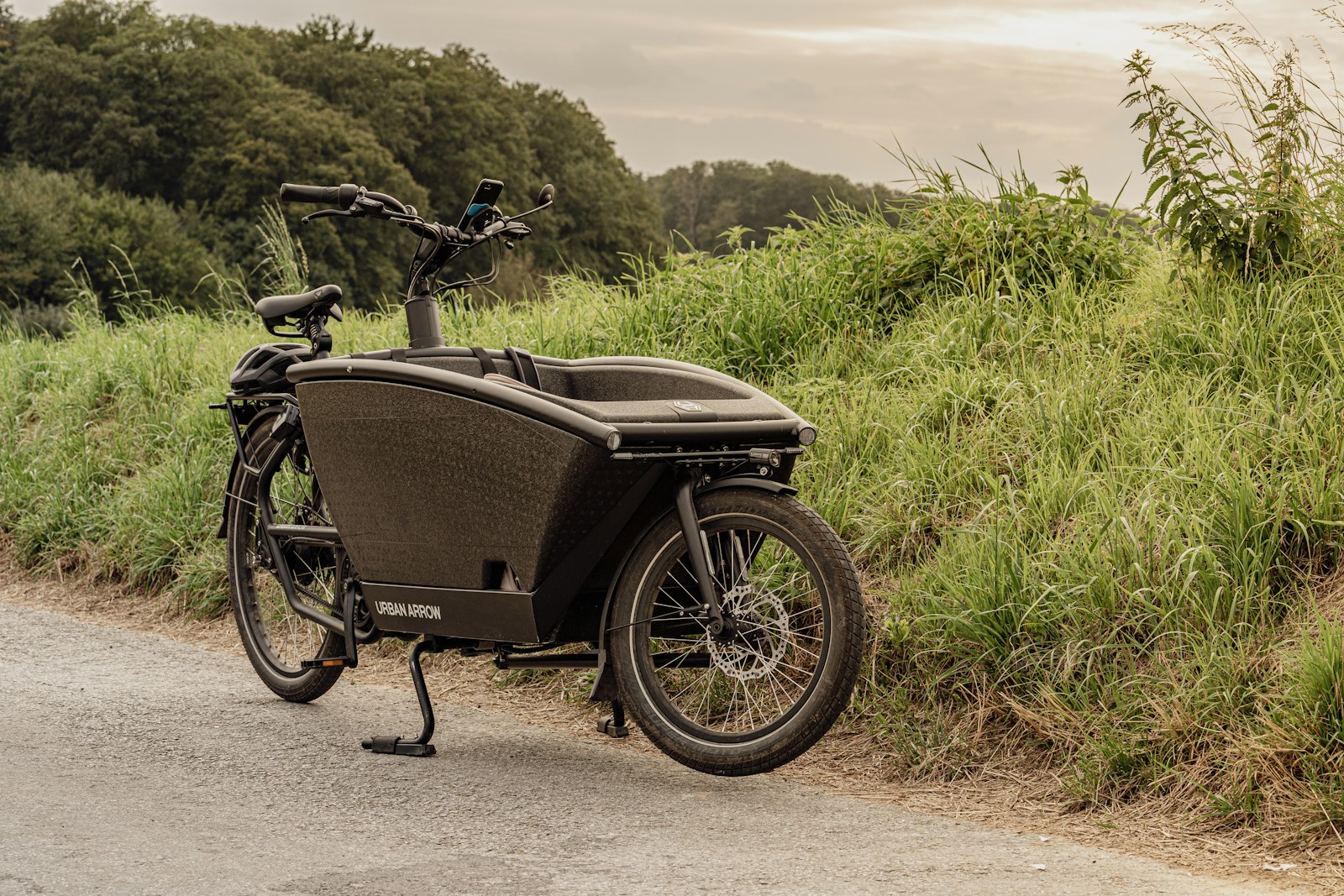
4People cycle all year, even in winter when it is dark at four in the afternoon and the roads are icy. The city clears snow from the cycle lanes before it clears the roads for cars. Many parents take their children to school in cargo bikes – bicycles with a big wooden box at the front. Some people carry shopping, dogs or even furniture in them!
5Cycling has a lot of advantages. It's cheap, it's good for your health and it's often faster than driving in the city centre. According to one study, the city saves money on healthcare because its people are fitter. There is also less noise and pollution, which makes the city a nicer place to live.
6Not everything is perfect, though. At busy times the cycle lanes can be crowded, and some cyclists go too fast or don't follow the rules. Bike theft is also a problem. Still, many other cities, from London to Bogotá, now send planners to Copenhagen to learn from its ideas. As one Danish engineer said, “We didn't build a city for bikes. We built a city for people.”
Multiple choice
Choose the correct answer.
1What surprises visitors to Copenhagen?
Why: Hundreds of cyclists waiting at traffic lights.
Paragraph 1 ↗“Visitors are often surprised when they see hundreds of cyclists waiting at traffic lights in the morning, like a small army.”
2What was one reason for the change in the 1970s?
Why: There was an oil crisis and petrol became very expensive.
Paragraph 2 ↗“Then, in 1973, there was an oil crisis and petrol became very expensive.”
3What is a ‘green wave’?
Why: All the traffic lights turn green as you arrive.
Paragraph 3 ↗“There are even special ‘green waves’ on some roads: if you cycle at about twenty kilometres an hour, all the traffic lights turn green as you arrive.”
4What happens when it snows?
Why: The city clears snow from the cycle lanes before it clears the roads.
Paragraph 4 ↗“The city clears snow from the cycle lanes before it clears the roads for cars.”
5Why does the city save money on healthcare?
Why: Because its people are fitter.
Paragraph 5 ↗“According to one study, the city saves money on healthcare because its people are fitter.”
6What does the engineer mean?
Why: We built a city for people.
Paragraph 6 ↗“We built a city for people.””
True or False
Decide if each statement is true or false.
7Copenhagen has always had more bikes than cars.
Why: It wasn't always like this.
Paragraph 2 ↗“It wasn't always like this.”
8Some cycle lanes are separated from cars by a kerb.
Why: Separated from the cars by a small kerb.
Paragraph 3 ↗“They are wide and well lit, and in many places they are separated from the cars by a small kerb.”
9In winter it gets dark at about four o'clock.
Why: Dark at four in the afternoon.
Paragraph 4 ↗“People cycle all year, even in winter when it is dark at four in the afternoon and the roads are icy.”
10People never carry large things on bikes.
Why: Some people carry furniture in them!
Paragraph 4 ↗“Some people carry shopping, dogs or even furniture in them!”
11Cycling is often slower than driving in the centre.
Why: It's often faster than driving.
Paragraph 5 ↗“It's cheap, it's good for your health and it's often faster than driving in the city centre.”
12Bike theft is a problem in Copenhagen.
Why: Bike theft is also a problem.
Paragraph 6 ↗“Bike theft is also a problem.”
Match the headings
Choose the best heading for each paragraph. There is one extra heading.
13Paragraph 1
Why: More people go by bike than by car.
Paragraph 1 ↗“Today more people go to work or school by bike than by car, and almost every family has at least one bicycle.”
14Paragraph 2
Why: In 1973 the city changed direction.
Paragraph 2 ↗“The city decided to change direction and started building safe places for bikes.”
15Paragraph 3
Why: Lanes and green waves.
Paragraph 3 ↗“Today the city has more than three hundred and eighty kilometres of cycle lanes.”
16Paragraph 4
Why: People cycle all year.
Paragraph 4 ↗“People cycle all year, even in winter when it is dark at four in the afternoon and the roads are icy.”
17Paragraph 5
Why: Advantages of cycling.
Paragraph 5 ↗“Cycling has a lot of advantages.”
18Paragraph 6
Why: Not everything is perfect.
Paragraph 6 ↗“Not everything is perfect, though.”
Find the information
Write one word or a number from the text.
19The oil crisis happened in .
Why: In 1973, there was an oil crisis.
Paragraph 2 ↗“Then, in 1973, there was an oil crisis and petrol became very expensive.”
20Copenhagen has more than kilometres of cycle lanes.
Why: More than three hundred and eighty kilometres.
Paragraph 3 ↗“Today the city has more than three hundred and eighty kilometres of cycle lanes.”
21For a green wave, cycle at about km/h.
Why: About twenty kilometres an hour.
Paragraph 3 ↗“There are even special ‘green waves’ on some roads: if you cycle at about twenty kilometres an hour, all the traffic lights turn green as you arrive.”
22Cargo bikes have a big wooden at the front.
Why: A big wooden box at the front.
Paragraph 4 ↗“Many parents take their children to school in cargo bikes – bicycles with a big wooden box at the front.”
23At busy times the lanes can be .
Why: The cycle lanes can be crowded.
Paragraph 6 ↗“At busy times the cycle lanes can be crowded, and some cyclists go too fast or don't follow the rules.”
24Planners come from cities like London and .
Why: From London to Bogotá.
Paragraph 6 ↗“Still, many other cities, from London to Bogotá, now send planners to Copenhagen to learn from its ideas.”