Home › Vocabulary › A1 Vocabulary Tests › Daily Routines and Time Expressions
Daily Routines and Time Expressions – A1 English Vocabulary Test
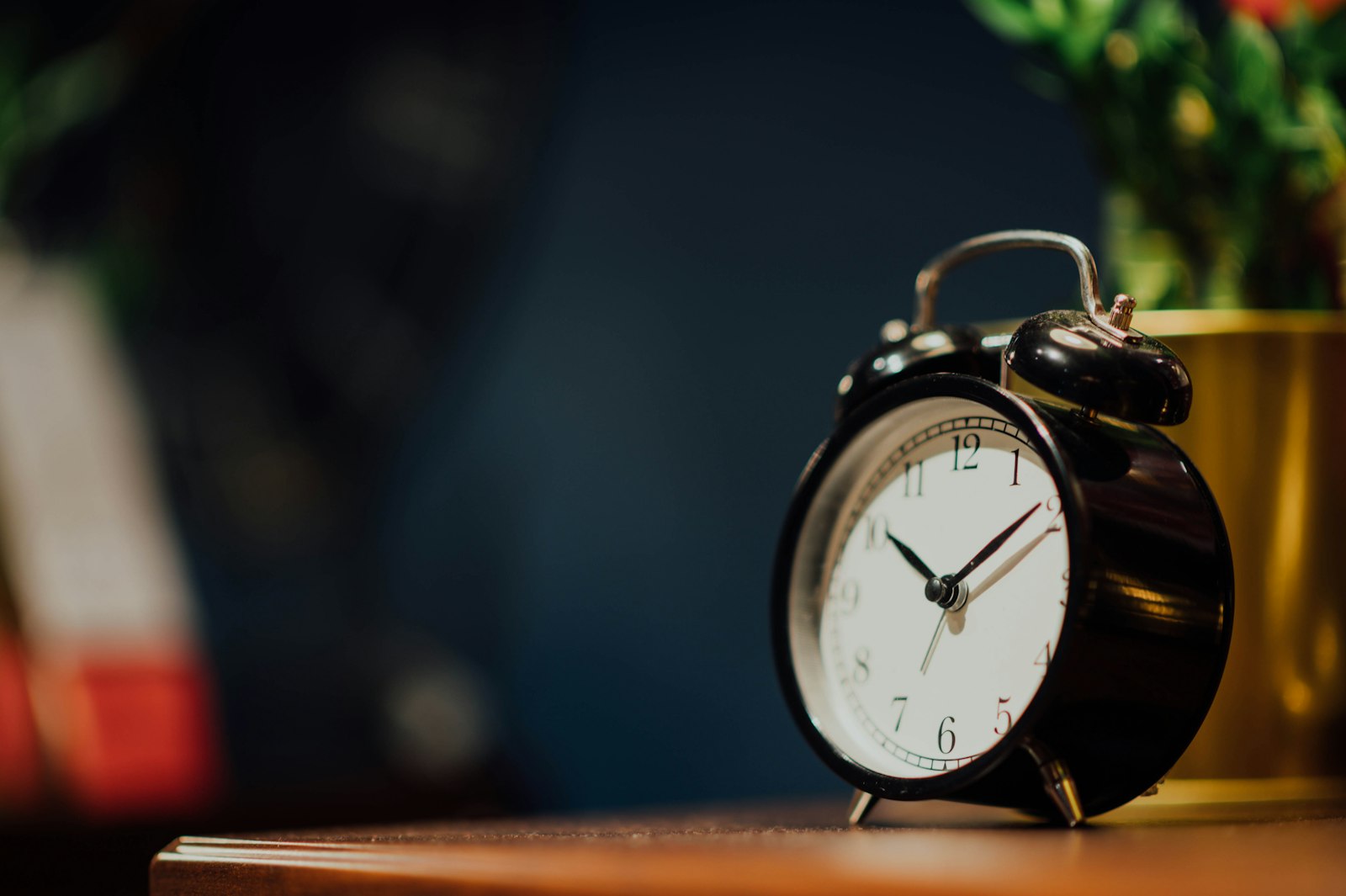
Talking about your day
We use the present simple for routines. Many routine verbs are phrases: get up, have breakfast, go to work. Learn them as a whole.
have + meal
have breakfast / lunch / dinner – not ‘eat breakfast’ in everyday speech.
go + to / home
go to work, go to school, go to bed – but go home (no to).
Time prepositions
at 7 o’clock, at night · in the morning / afternoon / evening · on Monday, on weekdays
Key terms
Choose the right word
Choose the correct word.
1I ____ up at seven, but I get up at quarter past.
Why: Stop sleeping → wake up.
2After my shower, I get ____.
Why: Fixed phrase: get dressed.
3We ____ dinner at about eight o'clock.
Why: have dinner.
4I go ____ at half past five.
Why: go home – no to.
5My lessons start ____ nine o'clock.
Why: at + clock time.
6I go swimming ____ Saturdays.
Why: on + days.
7I'm so tired that I often ____ asleep on the sofa.
Why: fall asleep.
8She ____ the housework on Sunday mornings.
Why: do the housework.
Complete Emma's day
Use a word from the box.
9Emma gets up at 6.45 and has a quick .
Why: have a shower.
10Her to the office takes forty minutes by train.
Why: Travel to work → commute.
11She has with her colleagues in a small café.
Why: Meal in the middle of the day.
12She doesn't work until six o'clock.
Why: finish work.
13In the evening she cooks something simple.
Why: Adverb before the verb.
14She goes to at about half past ten.
Why: go to bed.
Put the day in order
What does a typical person do first? Choose the position for each action (1 = first).
15get dressed
Why: Wake up → get up → get dressed.
16wake up
Why: The first thing in the morning.
17go to bed
Why: Near the end of the day.
18get up
Why: After waking up.
19fall asleep
Why: The very last thing.
20have dinner
Why: In the evening, before bed.
Correct or incorrect?
Is each sentence natural and correct?
21I always have breakfast at 7.30.
Why: Adverb before the verb; have breakfast – correct.
22I go to home after school.
Why: go home – no to.
23She is usually late for work.
Why: Adverb after be – correct.
24We make the housework on Saturday.
Why: do the housework.
25I get up in 6 o'clock.
Why: at 6 o'clock.
26He hardly ever watches TV in the evening.
Why: hardly ever before the verb – correct.